Bhilwara: The Ancient Textile Hub Where Stone Age Tools Meet Modern Industrial Might
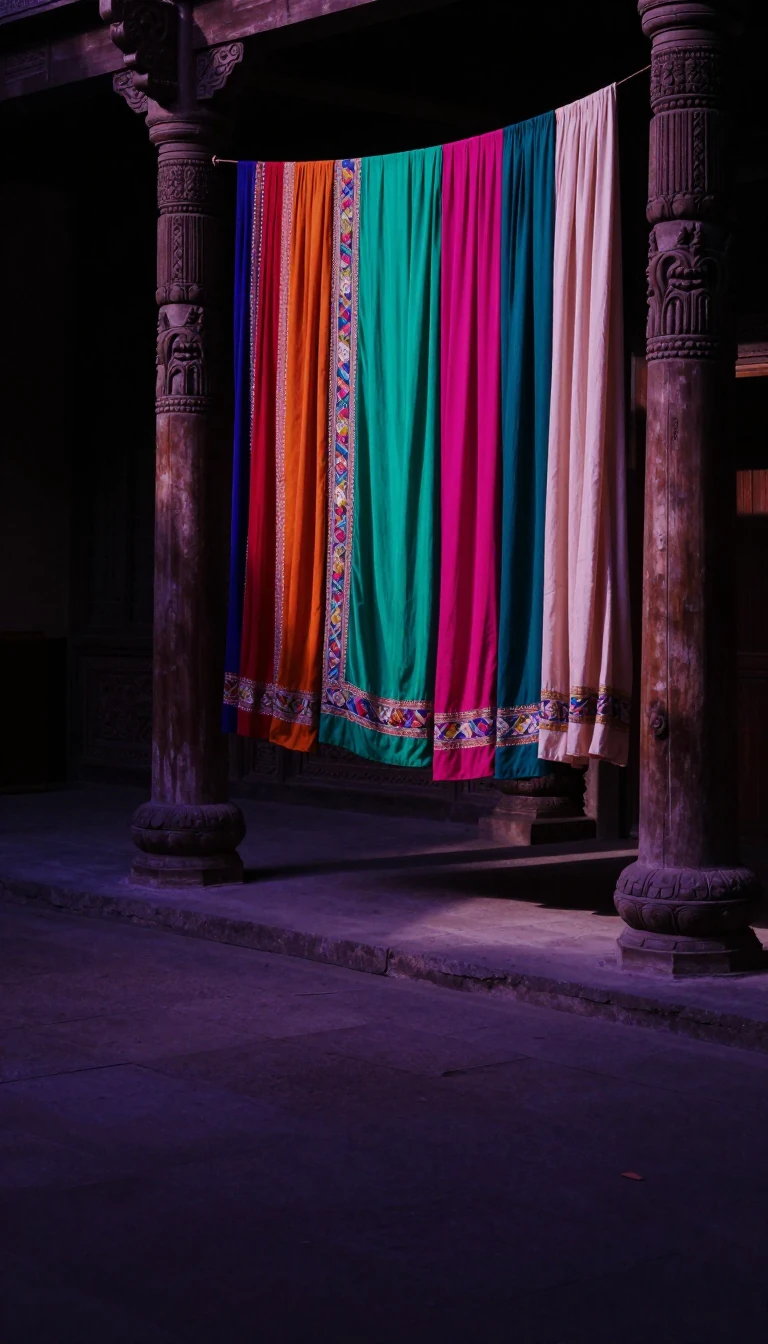
In short: Known globally as India's textile city, Bhilwara is a paradox of deep history and industrial scale. From Stone Age artifacts and legendary mints to a massive synthetic fabric export economy, this Rajasthan district balances ancient artistic traditions like Phad painting with the high-speed logistics of the Golden Quadrilateral highway.
Located in the Mewar region of Rajasthan, Bhilwara is a city with a layered past. Archaeological evidence suggests human activity here dates back 5,012 to 200,000 years, with Stone Age tools discovered in the district. Local lore offers two distinct explanations for its name: one suggests it originated from 'Bhiladi' coins minted in a local facility, while another links it to the Adivasi Bheel tribe, who reportedly aided Maharana Pratap against the Mughal Empire. The city's oldest section, established in the 11th century, still features the Bada Mandir, a Krishna Radha temple.
The modern identity of Bhilwara is defined by its massive textile industry. The sector took root in 1938 with the founding of Mewar Textile Mills by Shri Sampatmal Lodha. By 1961, Shri Laxmi Niwas Jhunjhunwala established a unit for synthetic textiles, setting the stage for the city's current status as a global hub. Today, more than 850 manufacturing units produce high-quality cotton, silk, and woolen fabrics, with a particular focus on synthetic materials for trousers. This industrial output is supported by extensive infrastructure, including the six-lane National Highway 48 and a broad gauge railway network connecting the city to major hubs like Delhi, Mumbai, and Kolkata.
Beyond industry, Bhilwara maintains a vibrant cultural and educational landscape. It is a center for traditional Phad painting, a craft preserved by artists like Shree Lal Joshi, and miniature art, championed by the award-winning Badri Lal Chitrakar. The city also serves as an educational node, hosting institutions such as the MLV Textile and Engineering College, Rajmata Vijaya Raje Scindia Medical College, and Sangam University. Despite having no natural lakes, the district is the most irrigated in Rajasthan, relying on a network of dams and ponds to support its diverse economy of textiles, mining, and agriculture.
Opens the Intellect+ feed with this card first. Swipe up for the next one.
Sources
- Summary by Intellect · source: Bhilwara
- Also: Wikidata — Bhilwara district · CC0
- Also: Wikidata — Bhilwara · CC0
To cite this card, link to https://intellectplus.co.uk/app/places-bhilwara.
How we source, check and correct cards: Editorial standards.
General information, not professional advice. Spotted an error? Flag the card or see corrections and complaints.
Intellect Plus is a visual educational discovery platform for exploring fascinating facts and ideas. Brain Food, Not Brain Rot. What is Intellect Plus?
Related
More in Asia · More in Countries & Cities · Latest · A–Z · All topics
