How a family of fishermen built an empire and revived ancient Persian royal glory
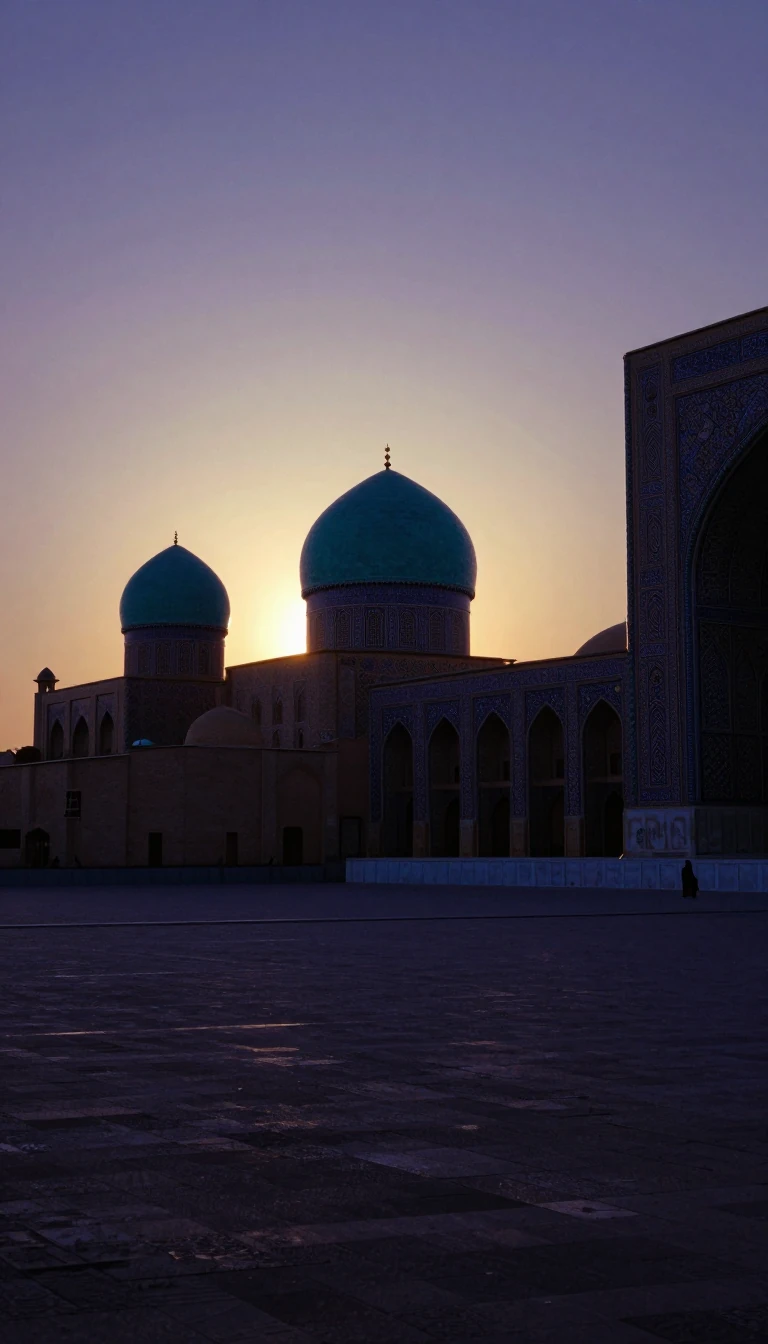
In short: Rising from humble origins in Daylam, three brothers conquered central and southern Iran and Iraq, establishing a powerful confederation. By blending Shi'a faith with Sasanian imperial symbolism, they transformed from local warlords into the de facto rulers of the Abbasid caliphate, leaving a lasting mark on Iranian identity.
The Buyid dynasty emerged in 934 when Ali ibn Buya, a former soldier of Daylamite origin, seized Fars and established Shiraz as his capital. His brothers, Hasan and Ahmad, soon expanded the family's reach, capturing Ray in 943 and Baghdad in 945. This trio of brothers effectively sidelined the Abbasid caliphs, reducing them to figureheads while the Buyids exercised real secular power from their respective seats in Fars, Jibal, and Iraq.
Though they began as Zaydi Shi'a, the Buyids transitioned to Twelver Shi'ism, a move historians suggest was politically strategic as it avoided the requirement to install an Imam from the family of Ali. Despite their Shi'a faith, they maintained a pragmatic, tolerant stance toward their Sunni subjects and frequently appointed Christians to high government offices to mitigate sectarian tensions. Their realm was a diverse landscape where Arabic served as the lingua franca, yet Middle Persian and local dialects remained in use.
The Buyids consciously cultivated a connection to Iran's pre-Islamic past, claiming descent from the Sasanian king Bahram V. They adopted the ancient title of Shahanshah, or 'king of kings,' and venerated the ruins of Persepolis, which they mistakenly attributed to the mythical king Jamshid. This identity was further reinforced through large-scale engineering projects, such as the Band-e Amir dam, and the celebration of traditional festivals like Sadeh and Mehregan. Their influence waned in the 11th century, eventually falling to the Ghaznavids and Seljuk Turks by 1062.
The dynasty's legacy is defined by this 'Iranian Intermezzo,' a period where Iranian rulers asserted their heritage while operating within an Islamic framework. By patronizing Arabic literature and history, they fostered a cultural flourishing that paradoxically helped preserve the memory of the Sasanian Empire. Their rule established a model of regional autonomy and cultural synthesis that shaped the political and social landscape of the region for over a century.
Opens the Intellect+ feed with this card first. Swipe up for the next one.
Sources
- Summary by Intellect · source: Buyid dynasty
- Also: Wikidata — Buyid dynasty · CC0
To cite this card, link to https://intellectplus.co.uk/app/places-buyid-dynasty.
How we source, check and correct cards: Editorial standards.
General information, not professional advice. Spotted an error? Flag the card or see corrections and complaints.
Intellect Plus is a visual educational discovery platform for exploring fascinating facts and ideas. Brain Food, Not Brain Rot. What is Intellect Plus?
Related
More in Cities · More in Countries & Cities · Latest · A–Z · All topics
