Why a medieval German-style city in Venezuela is fighting to survive the rain
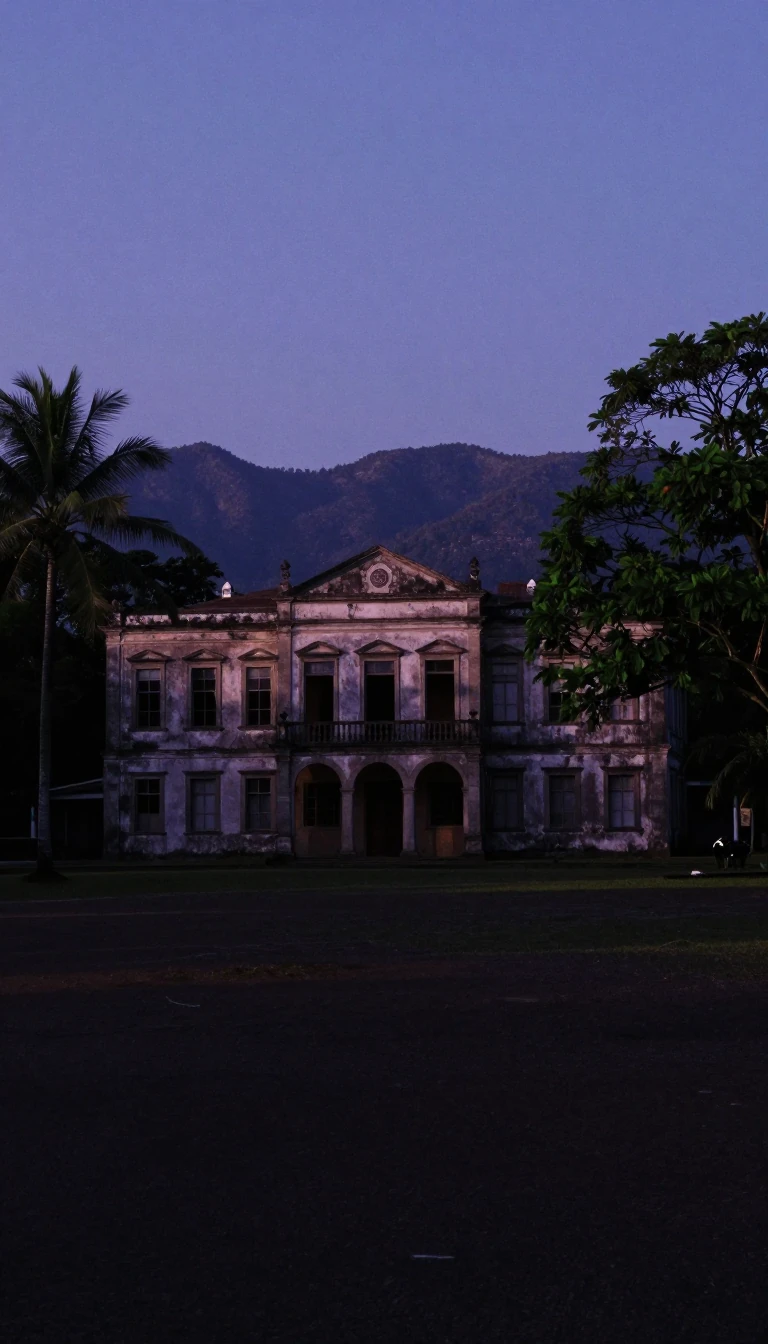
In short: Founded in 1527, Coro is a rare architectural hybrid where indigenous mud-building techniques meet colonial Spanish and Dutch styles. As Venezuela's first UNESCO World Heritage site, it remains a unique historical record. Yet, its reliance on earthen materials makes it fragile, leading to a desperate struggle against climate-driven decay.
Coro and its port, La Vela de Coro, represent a singular convergence of cultures. Established in 1527 in the Falcón state, the city served as the domain of the Welser family—a German banking dynasty—between 1528 and 1546. This brief but influential period left an indelible mark on the urban fabric, resulting in a street layout that mirrors medieval German city planning. Beyond this European influence, the site is defined by its use of traditional indigenous construction methods, including bahareque, adobe, and tapia, which were fused with Spanish Mudéjar and Dutch architectural techniques.
This fusion is visible in over 600 historic buildings, making Coro the only surviving example of such a stylistic blend in the Caribbean. However, this architectural heritage is inherently vulnerable. Because the structures are composed of mud bricks with low moisture resistance, they are highly susceptible to water damage. In 2005, following two consecutive years of heavy rains attributed to climate change, UNESCO inscribed the site on the List of World Heritage in Danger. The threat is compounded by the risk of unsympathetic modern development, necessitating a redefinition of protective buffer zones.
Efforts to preserve the site have involved a complex coalition, including the Institute of Cultural Heritage, the Government of the State of Falcón, local municipal mayors, and the state oil company, PDVSA. A 2005 emergency intervention agreement allocated 64,000,000 bolívars—roughly US $30 million—to implement critical infrastructure improvements, such as new drainage systems and tourism management strategies. While a 2018 report from the International Council on Monuments and Sites acknowledged progress, it concluded that further actions are required to fully address the systemic issues threatening this fragile, earthen legacy.
Opens the Intellect+ feed with this card first. Swipe up for the next one.
Sources
- Summary by Intellect · source: Coro and its Port
- Also: Wikidata — Coro and its Port · CC0
To cite this card, link to https://intellectplus.co.uk/app/places-coro-and-its-port.
How we source, check and correct cards: Editorial standards.
General information, not professional advice. Spotted an error? Flag the card or see corrections and complaints.
Intellect Plus is a visual educational discovery platform for exploring fascinating facts and ideas. Brain Food, Not Brain Rot. What is Intellect Plus?
Related
More in World Heritage Sites · More in Countries & Cities · Latest · A–Z · All topics
