The world's largest ice shelf is currently protected by a hidden, freezing water barrier.
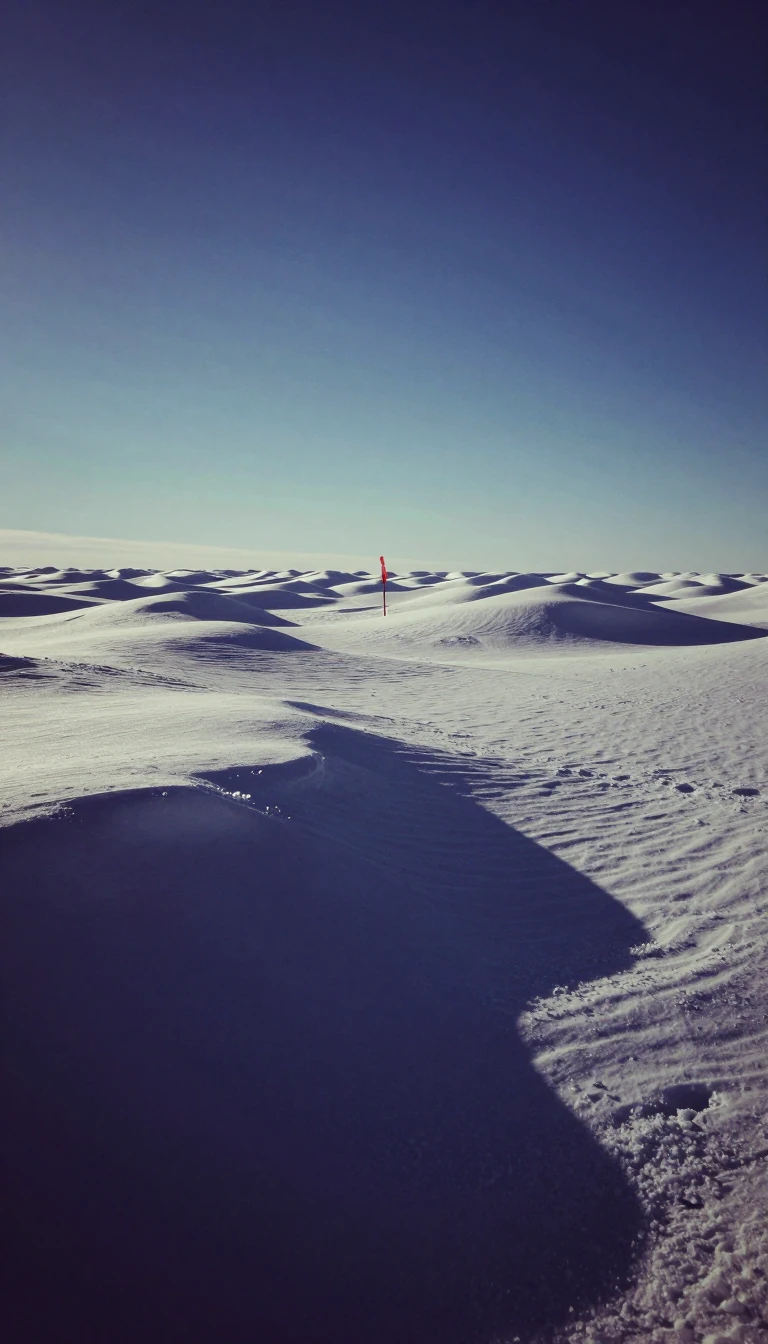
In short: The Filchner-Ronne Ice Shelf is a massive Antarctic structure that holds back vast inland ice. While climate change threatens to melt it, the shelf is currently shielded by a dense, cold water layer that blocks warmer ocean currents from eroding its base. But this delicate balance is shifting.
Located in the southern Weddell Sea, the Filchner-Ronne Ice Shelf (FRIS) is the largest ice shelf on Earth by volume. It acts as a critical buttress, slowing the flow of ice streams from the West Antarctic Ice Sheet into the ocean. Unlike other shelves flushed by warmer waters, the cavity beneath FRIS is typically filled with water near the freezing point of −1.9 °C. This cold environment keeps basal melting rates relatively low, preserving the shelf's structural integrity.
The shelf's stability relies on a thermohaline circulation driven by cold, dry winds blowing off the continent. These winds create polynyas along the Ronne Ice Shelf front, where intense sea ice formation leads to brine rejection. This process creates High Salinity Shelf Water (HSSW), which is dense enough to sink and fill the sub-ice cavity. This cold, dense water acts as a barrier, preventing warmer offshore waters from entering the cavity and melting the ice from below.
However, this system is sensitive to atmospheric changes. Recent observations suggest that anomalies in the Amundsen Sea Low and a positive Southern Annual Mode have influenced sea ice formation, causing shifts in the circulation beneath the shelf. While current melt rates remain low, modeling studies suggest a potential tipping point. If HSSW production declines significantly, the density barrier could erode, allowing warmer water to flush the cavity and potentially increase basal melt rates by an order of magnitude.
Understanding these dynamics is vital for predicting global sea level rise. Researchers are using hot-water drilled boreholes and autonomous submersibles to map the sub-ice environment and refine Earth system models. While uncertainties remain high, the fate of the FRIS system serves as a critical indicator of how the West Antarctic Ice Sheet may respond to a warming world by the end of this century.
Opens the Intellect+ feed with this card first. Swipe up for the next one.
Sources
- Summary by Intellect · source: Observed interannual changes beneath Filchner-Ronne Ice Shelf linked to large-scale atmospheric circulation - Nature Communications
- Also: Filchner–Ronne Ice Shelf
To cite this card, link to https://intellectplus.co.uk/app/places-filchner-ronne-ice-shelf.
How we source, check and correct cards: Editorial standards.
General information, not professional advice. Spotted an error? Flag the card or see corrections and complaints.
Intellect Plus is a visual educational discovery platform for exploring fascinating facts and ideas. Brain Food, Not Brain Rot. What is Intellect Plus?
Related
More in Other hydrological features · More in Countries & Cities · Latest · A–Z · All topics
