A Russian archipelago named for a French Empress sits in the Sea of Japan
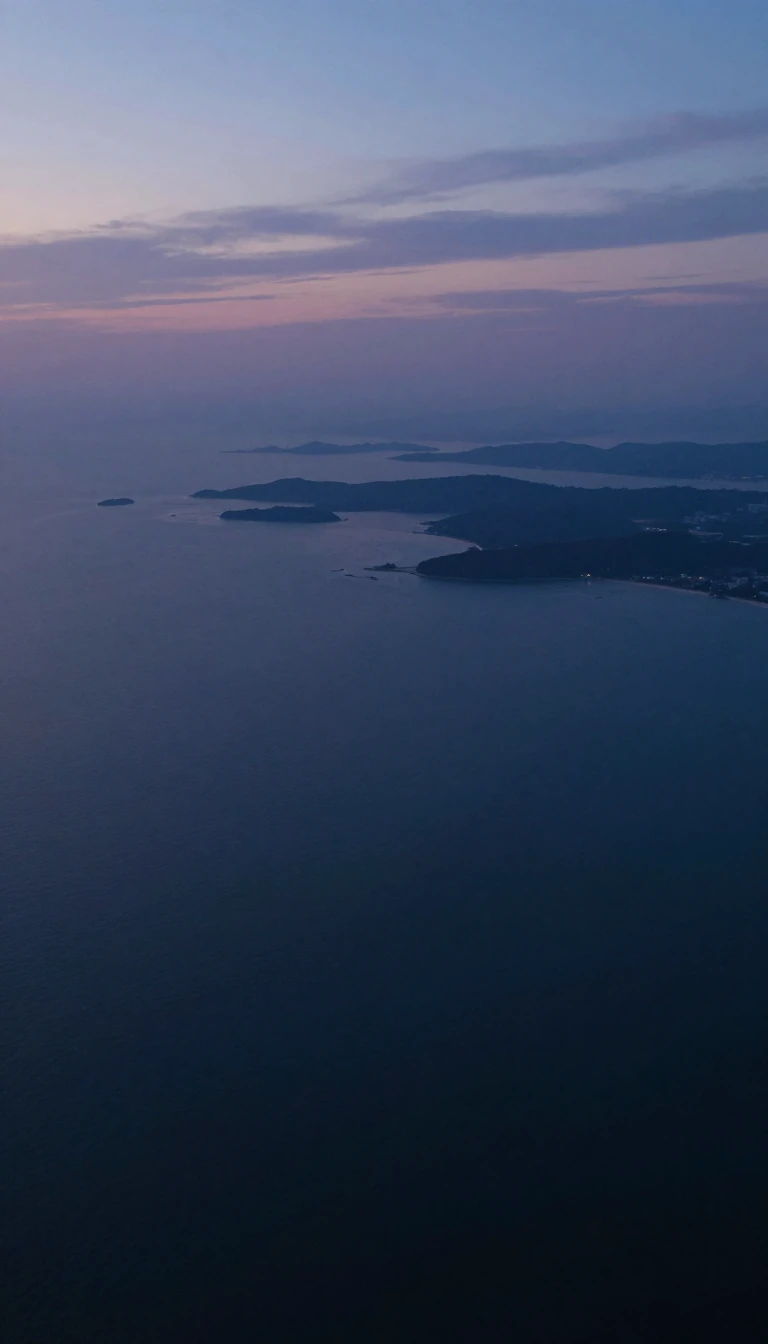
In short: In the Peter the Great Gulf, a collection of islands bears the name of Empress Eugénie de Montijo, wife of Napoleon III. Though once isolated by regional politics, this archipelago now serves as a unique ecological and administrative extension of Vladivostok, shaped by ancient climate shifts and modern military history.
The Eugénie Archipelago, located in the Sea of Japan, comprises five major islands—Russky, Popov, Rikord, Reyneke, and Shkot—alongside over two dozen smaller islets. These landmasses emerged between 8,000 and 10,000 years ago as sea levels rose during the Holocene epoch. Geologically, the islands are diverse; some, like Zheltukhin and Moiseyev, are formed from Lopingian granitoids, while the Pakhtusov group consists of volcanic materials like andesites and rhyolites. The terrain is characterized by low-mountain topography, with elevations ranging from modest heights on the Pakhtusov islands to 75 meters on Zheltukhin.
European interest in the region was historically stifled by Japan's isolationist policies and the area's enclosed geography. This changed in 1852 when the French corvette Capricieuse, led by Captain G. de Rocquemaurel, reached the gulf. The French expedition mapped the area and honored Empress Eugénie, a name that appeared in print by 1854. British surveyors later visited in 1856, briefly referring to the gulf as Victoria Bay, but the original French-inspired name was officially reinstated in international registries in 1994.
The archipelago experiences a monsoonal climate influenced by both the cold Primorsky and warm Tsushima currents. This environment supports a rich, fluctuating ecosystem, from broad-leaved forests containing Amur lime and cork trees to protected species like the Japanese yew. The surrounding waters are commercially significant, hosting dense populations of Gray's mussel and Kuril horsemussel. Today, the islands are home to 6,810 residents and remain administratively linked to the city of Vladivostok, though human activity—including military presence—has left visible marks on the local soil and landscape.
Opens the Intellect+ feed with this card first. Swipe up for the next one.
Sources
- Summary by Intellect · source: Eugénie Archipelago
- Also: Wikidata — Eugénie Archipelago · CC0
To cite this card, link to https://intellectplus.co.uk/app/places-eug-nie-archipelago.
How we source, check and correct cards: Editorial standards.
General information, not professional advice. Spotted an error? Flag the card or see corrections and complaints.
Intellect Plus is a visual educational discovery platform for exploring fascinating facts and ideas. Brain Food, Not Brain Rot. What is Intellect Plus?
Related
More in Islands · More in Countries & Cities · Latest · A–Z · All topics
