Why a tiny Atlantic island became the world's most unlikely diplomatic hub
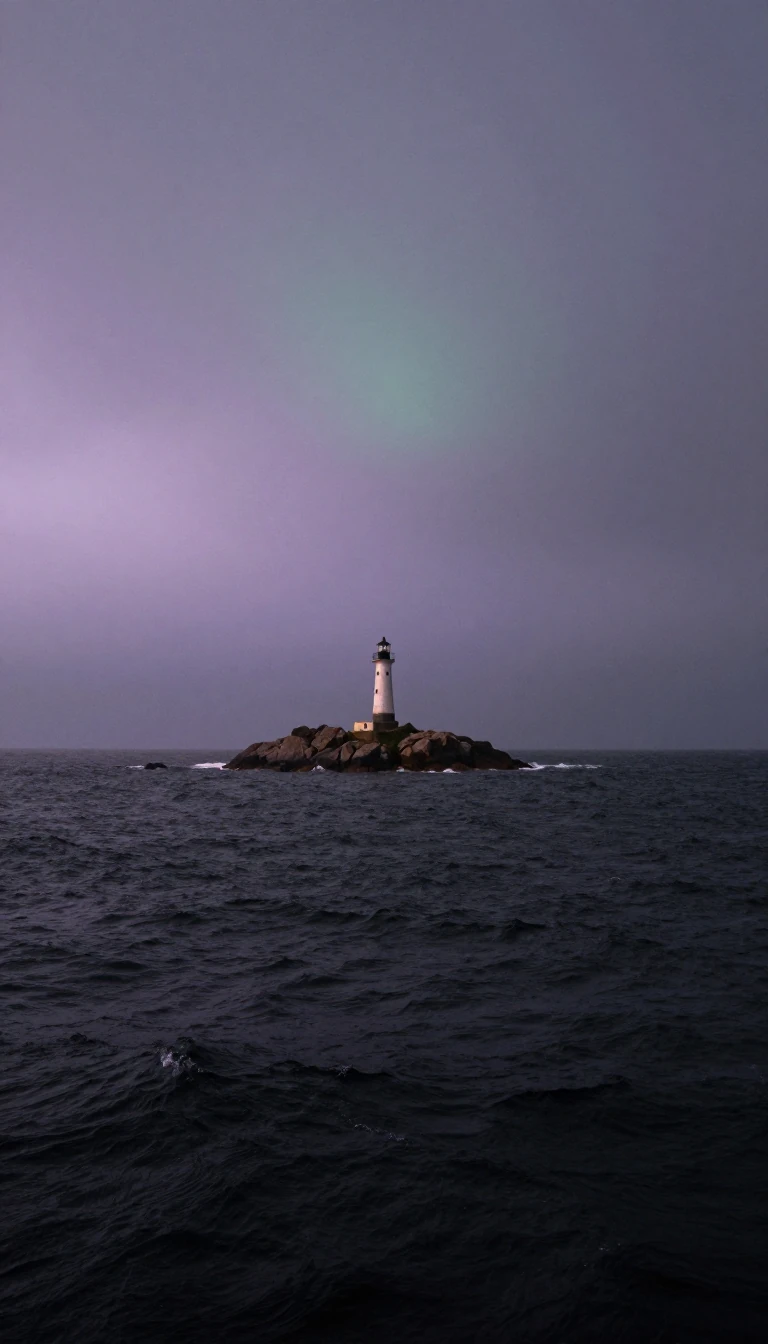
In short: Faial, a volcanic speck in the Azores, once hosted rival telegraph operators from Britain, Germany, and America who socialized together while their nations stood on the brink of war. This remote island, shaped by tectonic forces and hydrangeas, has served as a vital waypoint for centuries of global transit.
Faial is a volcanic island in the Azores, situated near the boundary where the North American and European tectonic plates pull apart. Its geography is defined by the central Caldeira, a massive crater reaching 1,043 meters at its highest point, and the Capelinhos volcano, which significantly expanded the island's landmass during a series of eruptions between 1957 and 1958. This geological activity is so distinct that the mineral fayalite, a type of iron-rich olivine, was first identified and named after the island in 1840.
The island's strategic position in the mid-Atlantic transformed it into a critical maritime and communications node. By the early 20th century, Horta—the island's largest town—became a bustling hub for transatlantic traffic. It hosted submarine cable stations for several international companies, including British, German, and American firms. Remarkably, during the Second World War, staff from these competing nations lived in close proximity, maintaining a social calendar that included tennis matches and joint celebrations, even as their home countries were engaged in global conflict.
Faial’s history is marked by waves of migration and economic shifts. Initially settled by Flemish colonists in the late 1400s under Josse van Huerter, the island later became a center for whaling and agriculture. The 1957 volcanic disaster devastated local farmland, triggering a massive exodus to the United States and Canada. Today, as an autonomous region of Portugal, the island has reinvented itself through environmental conservation, with the Faial Nature Park managing 13 protected areas established in 2008 to preserve its unique ecosystems.
The island is often called the Ilha Azul, or Blue Island, a name popularized by the poet Raul Brandão. This moniker reflects the vast hedges of blue hydrangeas that bloom across the landscape during summer. These flowers, which thrive in the island's humid, mild climate, have become a defining feature of the local scenery, serving as natural dividers for fields and roads.
Opens the Intellect+ feed with this card first. Swipe up for the next one.
Sources
- Summary by Intellect · source: Faial Island
- Also: Wikidata — Faial Island · CC0
To cite this card, link to https://intellectplus.co.uk/app/places-faial-island.
How we source, check and correct cards: Editorial standards.
General information, not professional advice. Spotted an error? Flag the card or see corrections and complaints.
Intellect Plus is a visual educational discovery platform for exploring fascinating facts and ideas. Brain Food, Not Brain Rot. What is Intellect Plus?
Related
More in Islands · More in Countries & Cities · Latest · A–Z · All topics
