How ancient volcanic fury sculpted the five serene lakes at Mount Fuji's base
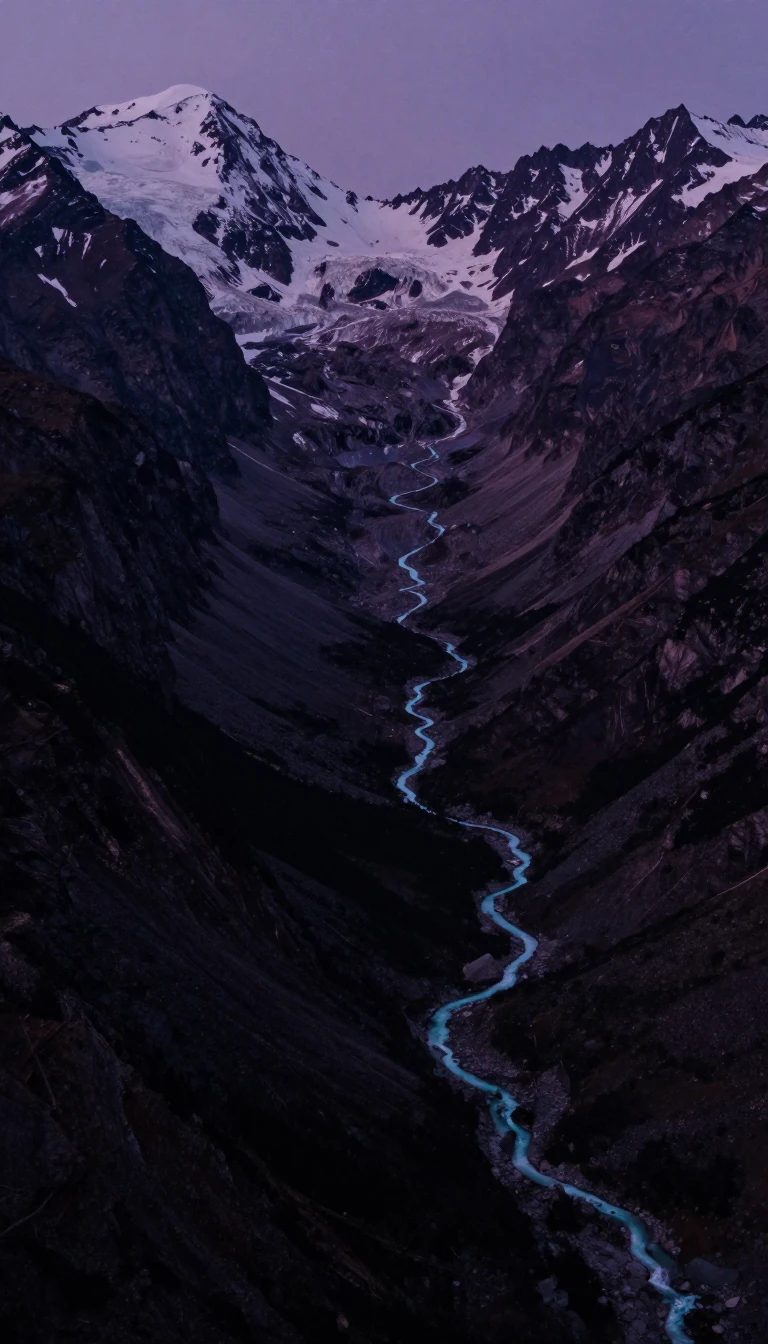
In short: Nestled 1,000 meters above sea level, the Fuji Five Lakes are not natural basins but the remnants of a violent geological past. Created when Mount Fuji's lava flows dammed ancient rivers, these five distinct bodies of water now draw millions of visitors annually to the base of Japan's most iconic peak.
The Fuji Five Lakes region, situated in Yamanashi Prefecture, owes its existence to the volatile history of Mount Fuji. Centuries ago, massive volcanic eruptions sent lava cascading across the landscape, obstructing river paths and pooling water into the arc of lakes that now define the northern side of the mountain. This dramatic origin story has left unique geological signatures, such as the rocky lava remnants still visible protruding from the surface of Lake Shōji, the smallest of the group.
Each lake possesses a distinct character. Lake Yamanaka, the largest and easternmost, holds the distinction of being the third-highest lake in all of Japan, sitting at an elevation of 980 meters. In contrast, Lake Motosu reaches depths of 140 meters, ranking as the ninth deepest in the country. A fascinating hydrological connection persists between Lake Motosu, Lake Sai, and Lake Shōji; these three remain linked by subterranean waterways, a legacy of the lava flows that once divided a single, enormous prehistoric lake.
Today, the region is a powerhouse of regional tourism, attracting approximately 9,000,000 sightseers who contribute roughly 100,000,000,000 yen to the local economy each year. While Lake Kawaguchi is the most recognizable face of the area—frequently featured in promotional media and distinguished by its unique island—the region offers diverse experiences ranging from the historical reconstruction of the Village of Healing to the high-adrenaline thrills of Fuji-Q Highland. Recognized as a premier destination since 1927, when it was named among Japan's top twenty-five sites by major national newspapers, the area remains a vital intersection of natural wonder and cultural heritage.
The region supports a population of about 100,000 residents, with the principal city of Fujiyoshida housing roughly 54,000 people. Beyond the water, the area is defined by its proximity to the Aokigahara Jukai Forest, which borders Lake Sai. Whether through fishing from rocky outcrops or navigating the waters of Lake Kawaguchi, the lakes continue to serve as both a functional resource for locals and a primary draw for the millions who visit the base of the mountain annually.
Opens the Intellect+ feed with this card first. Swipe up for the next one.
Sources
- Summary by Intellect · source: Fuji Five Lakes
- Also: Wikidata — Fuji Five Lakes · CC0
To cite this card, link to https://intellectplus.co.uk/app/places-fuji-five-lakes.
How we source, check and correct cards: Editorial standards.
General information, not professional advice. Spotted an error? Flag the card or see corrections and complaints.
Intellect Plus is a visual educational discovery platform for exploring fascinating facts and ideas. Brain Food, Not Brain Rot. What is Intellect Plus?
Related
More in Bodies of water · More in Countries & Cities · Latest · A–Z · All topics
