Gorgan: The Ancient Iranian City That Once Held the World's Second-Largest Defensive Wall
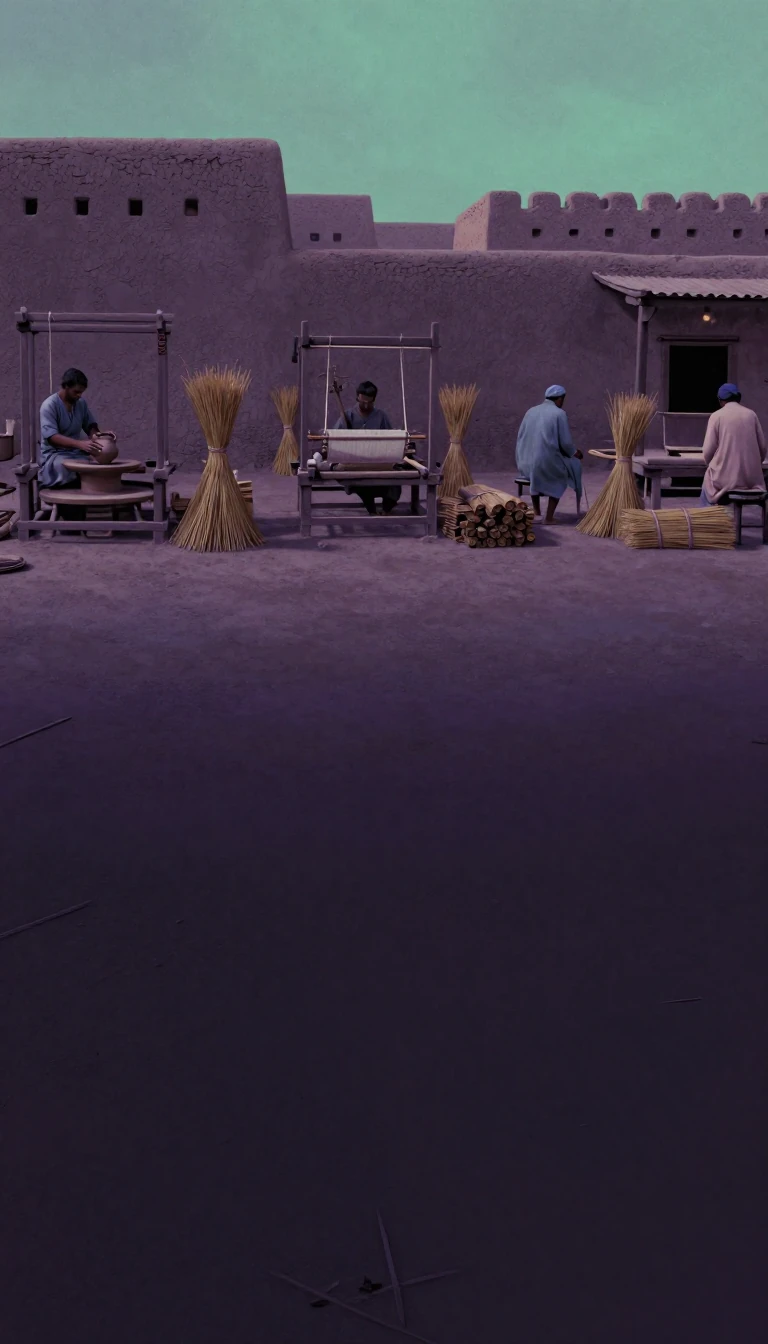
In short: Located near the Caspian Sea, Gorgan is a city defined by deep archaeological roots and a complex history of shifting names. From its origins as a hub of the Achaemenid Empire to its role as a modern provincial capital, this region has long served as a vital center of Persian civilization.
The history of Gorgan is inextricably linked to the landscape of the Gorgan Plain, an area rich with Neolithic and Chalcolithic archaeological sites like Tureng Tepe and Shah Tepe. Ancient records, such as those from the historian Arrian, describe the area as the site of Zadracarta, the royal city of Hyrcania. Its name, meaning the yellow city, allegedly stemmed from the abundance of citrus trees that once flourished in its outskirts. By the time of the Sasanian Empire, the city and its surrounding province were firmly established as Gurgan.
The region’s strategic importance is perhaps best exemplified by the Great Wall of Gorgan, a massive defensive structure built during the Parthian and Sasanian periods. It remains the second-largest defensive wall in the world. Despite the conquest of Persia by Muslim Arabs in the 7th century, Gorgan maintained its independence as a Zoroastrian state for a period. However, the city faced significant upheaval in the 13th century when it was destroyed during the Mongol invasion, leading to the relocation of the regional center to a site known as Astarabad.
Astarabad eventually became a significant political and religious hub, particularly during the Qajar era. The city has been a birthplace for numerous influential figures, including the 11th-century poet Fakhroddin Asaad Gorgani, the 17th-century philosopher Mir Damad, and the 19th-century feminist writer Bibi Khatoon Astarabadi. Today, the city serves as the capital of Golestan province, balancing its ancient heritage with a modern population that reached 350,676 by the 2016 census. Its climate, influenced by the Alborz mountain range and the nearby Caspian Sea, supports a diverse environment that includes the nearby Golestan National Park.
Opens the Intellect+ feed with this card first. Swipe up for the next one.
Sources
- Summary by Intellect · source: Gorgan
- Also: Wikidata — Gorgan · CC0
To cite this card, link to https://intellectplus.co.uk/app/places-gorgan.
How we source, check and correct cards: Editorial standards.
General information, not professional advice. Spotted an error? Flag the card or see corrections and complaints.
Intellect Plus is a visual educational discovery platform for exploring fascinating facts and ideas. Brain Food, Not Brain Rot. What is Intellect Plus?
Related
More in Asia · More in Countries & Cities · Latest · A–Z · All topics
