How a modular, ski-mounted research base survives the shifting ice of Antarctica
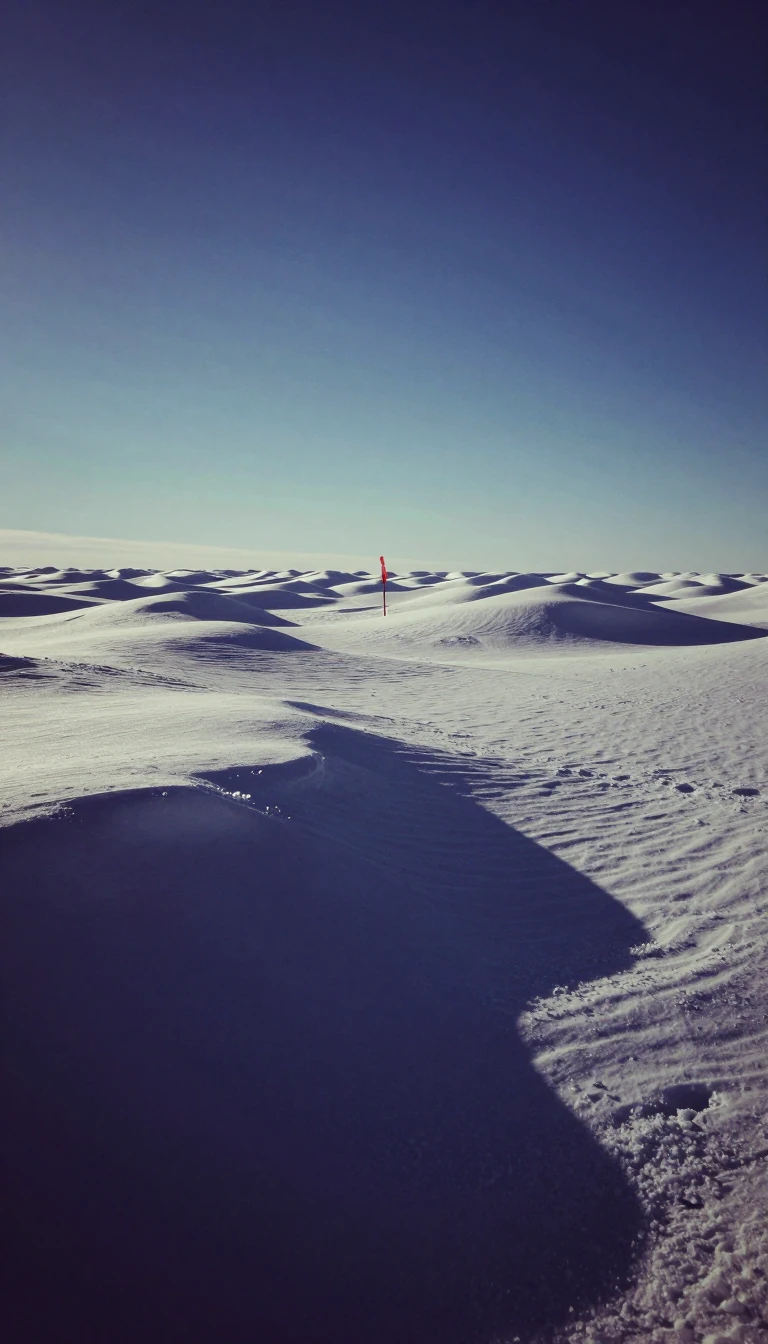
In short: Perched atop the moving ice of the Weddell Sea, the Halley VI Research Station is a feat of engineering designed to outrun its own destruction. By utilizing hydraulic legs and massive skis, this modular facility can be raised or relocated to avoid being swallowed by the relentless Antarctic snowpack.
Established in 1956, the Halley station has undergone six iterations, each struggling against the unique challenges of the Brunt Ice Shelf. Previous versions were often crushed or buried by accumulating snow, forcing their eventual abandonment. To solve this, the current Halley VI, which officially opened in 2013, was designed as a series of eight interconnected modules. These structures sit on hydraulic legs equipped with large skis, allowing the entire station to be lifted above the surface or towed to safer ground if ice cracks threaten its stability.
The station serves as a critical hub for atmospheric and space weather research. It is one of 30 global sites in the World Meteorological Organization’s Global Atmosphere Watch programme. Its most famous contribution occurred in 1985, when researchers using long-term data identified the hole in the ozone layer. This discovery directly influenced the Montreal Protocol, a landmark international agreement to phase out ozone-depleting chemicals like chlorofluorocarbons. Today, the station continues to monitor atmospheric composition and the impact of solar activity on satellite infrastructure.
Operating in such an extreme environment requires significant autonomy. While the station hosts about 40 staff during the Antarctic summer, it remains unstaffed during the winter months due to safety concerns regarding ice stability. Despite this, the facility continues to function remotely, with automated instruments collecting data on everything from wind speed to the Aurora Australis. Beyond meteorology, the site serves as a unique laboratory for human space flight research, where scientists study how isolation and darkness affect human performance, providing insights that may one day help astronauts on long-duration missions.
Opens the Intellect+ feed with this card first. Swipe up for the next one.
Sources
- Summary by Intellect · source: Halley VI Research Station - British Antarctic Survey
- Also: Halley Research Station
To cite this card, link to https://intellectplus.co.uk/app/places-halley-research-station.
How we source, check and correct cards: Editorial standards.
General information, not professional advice. Spotted an error? Flag the card or see corrections and complaints.
Intellect Plus is a visual educational discovery platform for exploring fascinating facts and ideas. Brain Food, Not Brain Rot. What is Intellect Plus?
Related
More in Bodies of water · More in Countries & Cities · Latest · A–Z · All topics
