Is the genetic signature of the Indo-Europeans hidden in the Middle East or Russia?
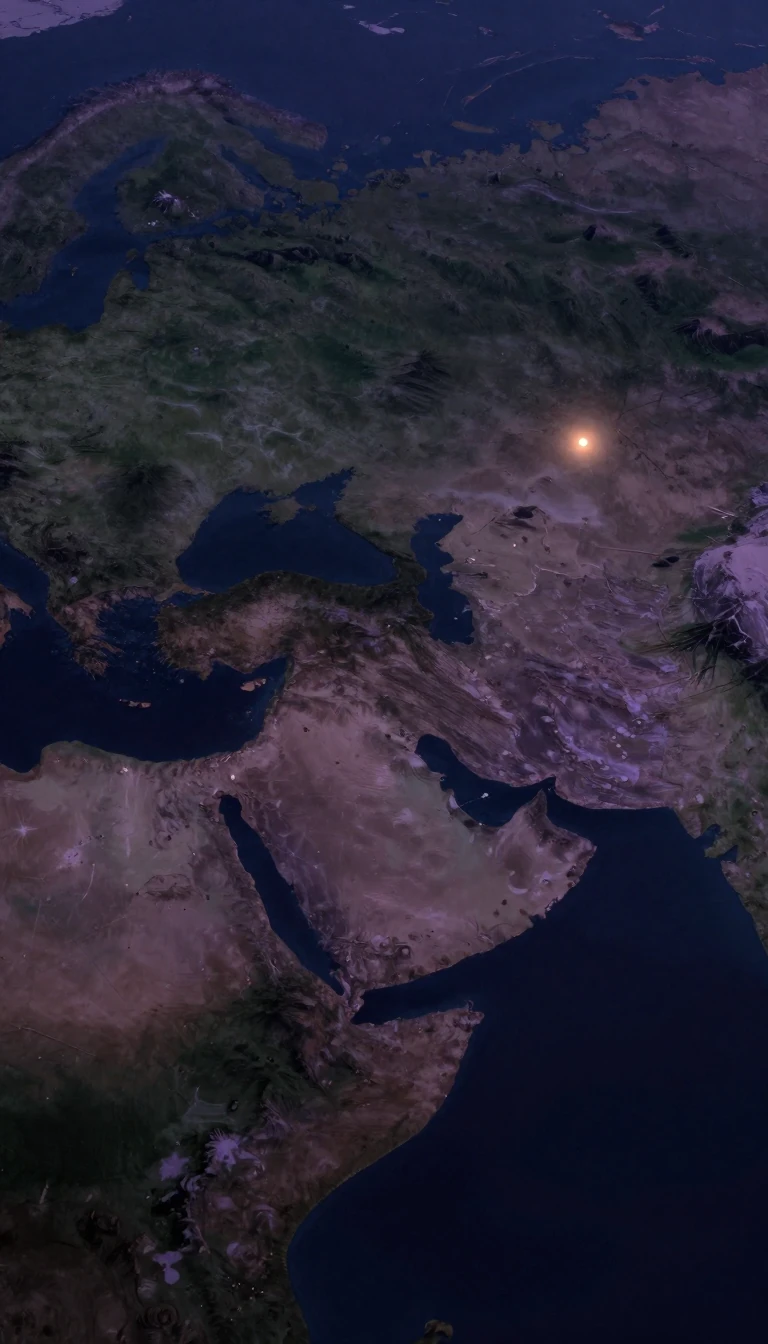
In short: Haplogroup R1a is a Y-chromosome lineage spanning from Scandinavia to South Asia. While it is strongly linked to the spread of Indo-European languages, its precise origin remains a subject of intense scientific debate, with competing theories pointing toward the Eurasian Steppes, the Middle East, or even ancient India.
Haplogroup R1a, defined by the M420 mutation, diverged from the broader R1 lineage approximately 15,000 to 25,000 years ago, coinciding with the Last Glacial Maximum. The lineage is characterized by significant internal diversity, with the R1a1a1 (M417) subclade diversifying roughly 5,800 years ago. This specific branch split into the Z282 and Z93 lineages, which now dominate European and Asian populations respectively. Understanding where this diversification occurred is central to identifying the urheimat, or original homeland, of the Proto-Indo-European people.
The search for this origin has produced conflicting evidence. A 2014 study by Peter A. Underhill et al. suggested a compelling case for the Middle East, possibly near modern-day Iran. Conversely, other researchers support a steppe-based dispersal, linking R1a to the expansion of the Kurgan culture. However, this theory faces a major hurdle: the absence of R1a in Yamnaya culture remains, which has led some archaeologists, such as Barry Cunliffe and Leo Klejn, to question the direct link between the Yamnaya and the spread of R1a into Europe.
The debate extends to South Asia, where R1a is highly prevalent. While some studies from 2006 to 2010 suggested an indigenous Indian origin based on high STR diversity, more recent research favors a model of multiple migration waves from Central Asia during the Bronze Age. Genetic evidence also suggests that the Z93 lineage may have expanded into South Asia during the Indus Valley civilization, though the exact timing and nature of this arrival remain contested. As of 2025, ancient DNA analysis continues to refine the map, with the oldest basal R1a* samples dating back to c. 8700 BCE in Eastern Europe.
Opens the Intellect+ feed with this card first. Swipe up for the next one.
Sources
- Summary by Intellect · source: Haplogroup R1a
To cite this card, link to https://intellectplus.co.uk/app/places-haplogroup-r1a.
How we source, check and correct cards: Editorial standards.
General information, not professional advice. Spotted an error? Flag the card or see corrections and complaints.
Intellect Plus is a visual educational discovery platform for exploring fascinating facts and ideas. Brain Food, Not Brain Rot. What is Intellect Plus?
Related
More in Cities · More in Countries & Cities · Latest · A–Z · All topics
