Beyond the steam: How the ancient hammam shaped social life across centuries
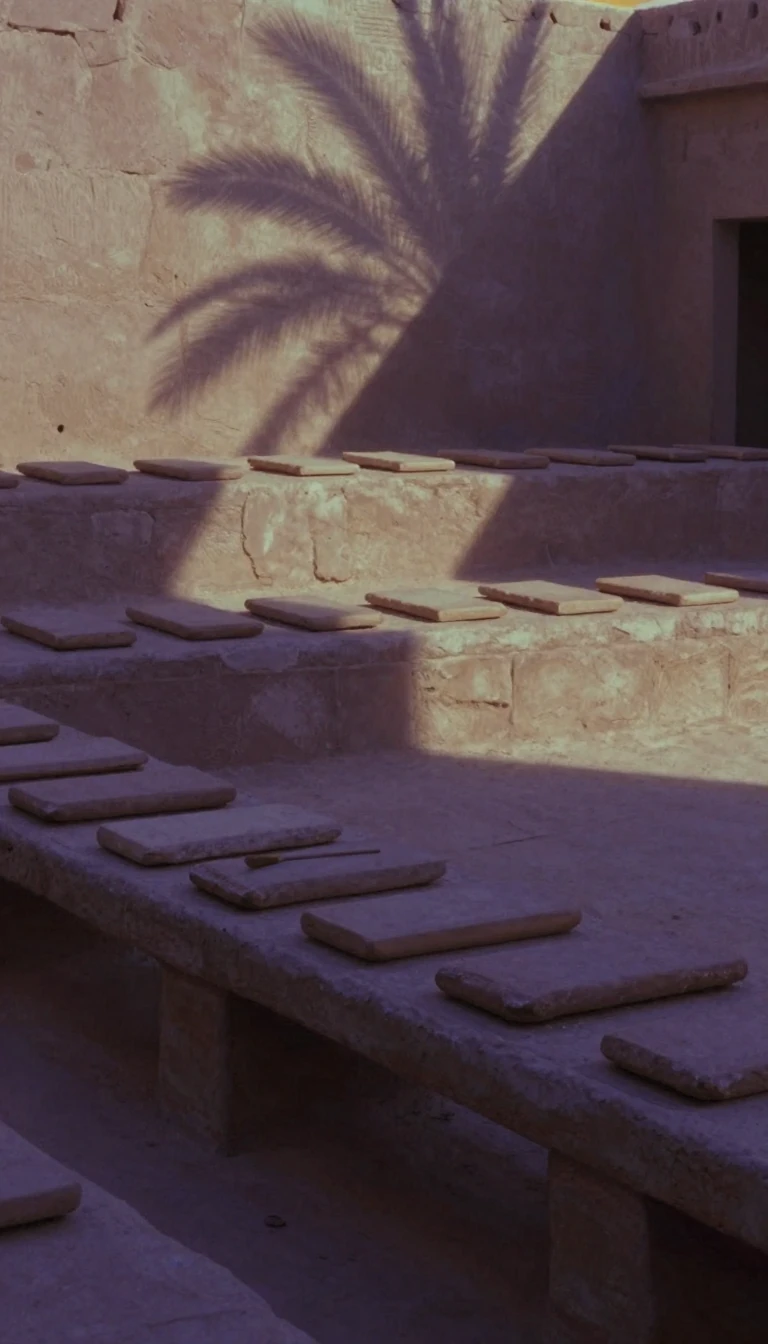
In short: The hammam is far more than a simple steam bath. Rooted in Roman engineering but refined by Islamic tradition, these public spaces evolved into essential civic hubs. From ritual purification to matchmaking and political gossip, the hammam served as the beating heart of urban life for over a millennium.
The hammam, or public bathhouse, represents a sophisticated architectural inheritance from Roman thermae, adapted to meet the specific requirements of the Islamic world. While early Islamic scholars debated the necessity of these spaces, they eventually became fixtures across the Middle East, North Africa, and beyond. By the 9th century, their role in facilitating both ritual cleanliness and social interaction was firmly established. These facilities were often integrated into larger religious or civic complexes, supported by waqf agreements that ensured their long-term maintenance.
Architecturally, these structures relied on a clever hypocaust system, where furnaces heated water and channeled smoke beneath floors to maintain consistent warmth. A typical visitor moved through a sequence of chambers, starting in a changing area before progressing into rooms of increasing temperature. While the layout varied by region—with Ottoman designs often emphasizing a large, domed central chamber and Andalusian versions favoring expansive warm rooms—the core experience remained consistent. These spaces were gender-segregated, providing women with one of the few public venues for socializing, celebrating, and even evaluating prospective marriage partners for their sons.
The 20th century brought a significant decline in the use of public baths as indoor plumbing became standard in private residences. Many historic sites were demolished or repurposed into museums, restaurants, or galleries. However, in cities like Fes, Marrakesh, and Istanbul, some continue to function, bridging the gap between ancient tradition and modern necessity. Despite the persistent, often Orientalist, mislabeling of these institutions as exclusively Turkish, they remain a diverse cultural legacy, reflecting the unique social and religious priorities of the societies that built them.
Opens the Intellect+ feed with this card first. Swipe up for the next one.
Sources
- Summary by Intellect · source: Hammam
- Also: Wikidata — hammam · CC0
To cite this card, link to https://intellectplus.co.uk/app/places-hammam.
How we source, check and correct cards: Editorial standards.
General information, not professional advice. Spotted an error? Flag the card or see corrections and complaints.
Intellect Plus is a visual educational discovery platform for exploring fascinating facts and ideas. Brain Food, Not Brain Rot. What is Intellect Plus?
Related
More in Cities · More in Countries & Cities · Latest · A–Z · All topics
