Cusco is a living architectural palimpsest where Incan foundations support Spanish colonial history.
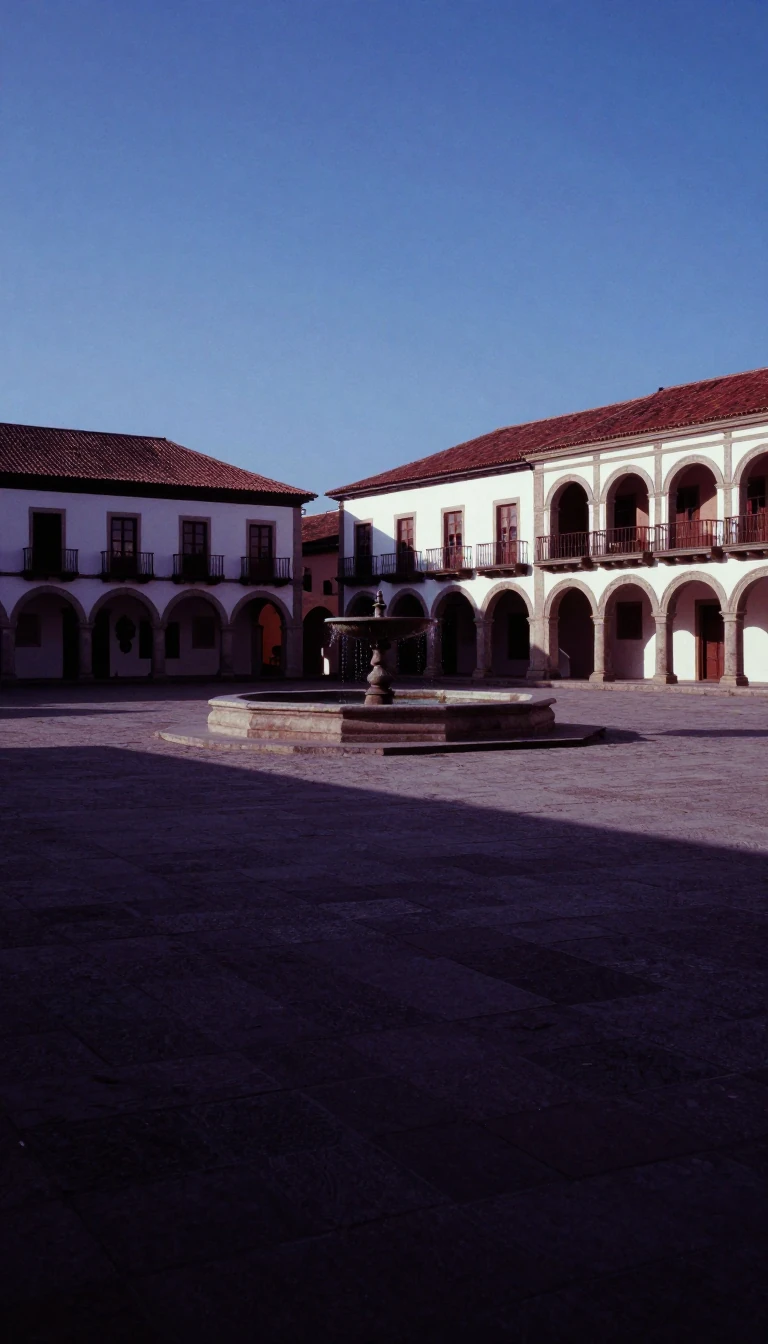
In short: Cusco was once the heart of the Inca Empire, but its streets tell a layered story of conquest and resilience. From the ancient Killke culture to the Spanish colonial era and the devastating 1950 earthquake, the city remains a unique fusion of two worlds, preserved today as a World Heritage Site.
The site of Cusco was originally occupied by the Killke culture between 900 and 1200 AD before becoming the capital of the Inca Empire. Following the Inca Civil War and the Battle of Quipaipán in 1532, the city fell to the Spanish Empire in 1533. The conquerors demolished many existing structures, yet they frequently repurposed the original Incan foundations for their own colonial buildings. This practice created a distinct architectural hybrid, visible in neighbourhoods like San Blas and Santa Clara, where the original spatial organisation of the city was largely maintained.
The city's resilience was tested by a major earthquake on 21 May 1950, which damaged over one-third of its structures. Interestingly, the event revealed the superior durability of Incan masonry compared to Spanish construction. The tremor exposed the retaining walls of the Coricancha, which had been hidden beneath later colonial additions. Restoration efforts subsequently focused on highlighting these ancient structures while preserving the integrity of the Spanish buildings that sat atop them.
Cusco’s political status shifted dramatically over the centuries. It served as a vital urban centre under the Viceroyalty of Peru and briefly reclaimed its role as the viceroyalty's capital from 1821 to 1824 after Lima was captured. However, following the establishment of the Republic of Peru, Cusco’s influence waned as Lima became the dominant capital. Today, the city is recognised for its historical depth, with the Peruvian government declaring it a Monumental Area in 1972 and UNESCO designating it a World Heritage Site in 1983.
In recent years, efforts to highlight the city's heritage have intensified. Since 2021, selected buildings have been marked with UNESCO’s blue-and-white shield, including the former residence of Inca Garcilaso de la Vega, the Municipal Palace, and the Museum of Pre-Columbian Art. These markers serve as a reminder of the layers of history embedded in the city, from its pre-Columbian origins to its role in the Peruvian War of Independence and beyond.
Opens the Intellect+ feed with this card first. Swipe up for the next one.
Sources
- Summary by Intellect · source: Historic Centre of Cusco
- Also: Wikidata — Historic centre of Cusco · CC0
To cite this card, link to https://intellectplus.co.uk/app/places-historic-centre-of-cusco.
How we source, check and correct cards: Editorial standards.
General information, not professional advice. Spotted an error? Flag the card or see corrections and complaints.
Intellect Plus is a visual educational discovery platform for exploring fascinating facts and ideas. Brain Food, Not Brain Rot. What is Intellect Plus?
Related
More in World Heritage Sites · More in Countries & Cities · Latest · A–Z · All topics
