Hurricane David: The 1979 storm that changed how we name and study hurricanes
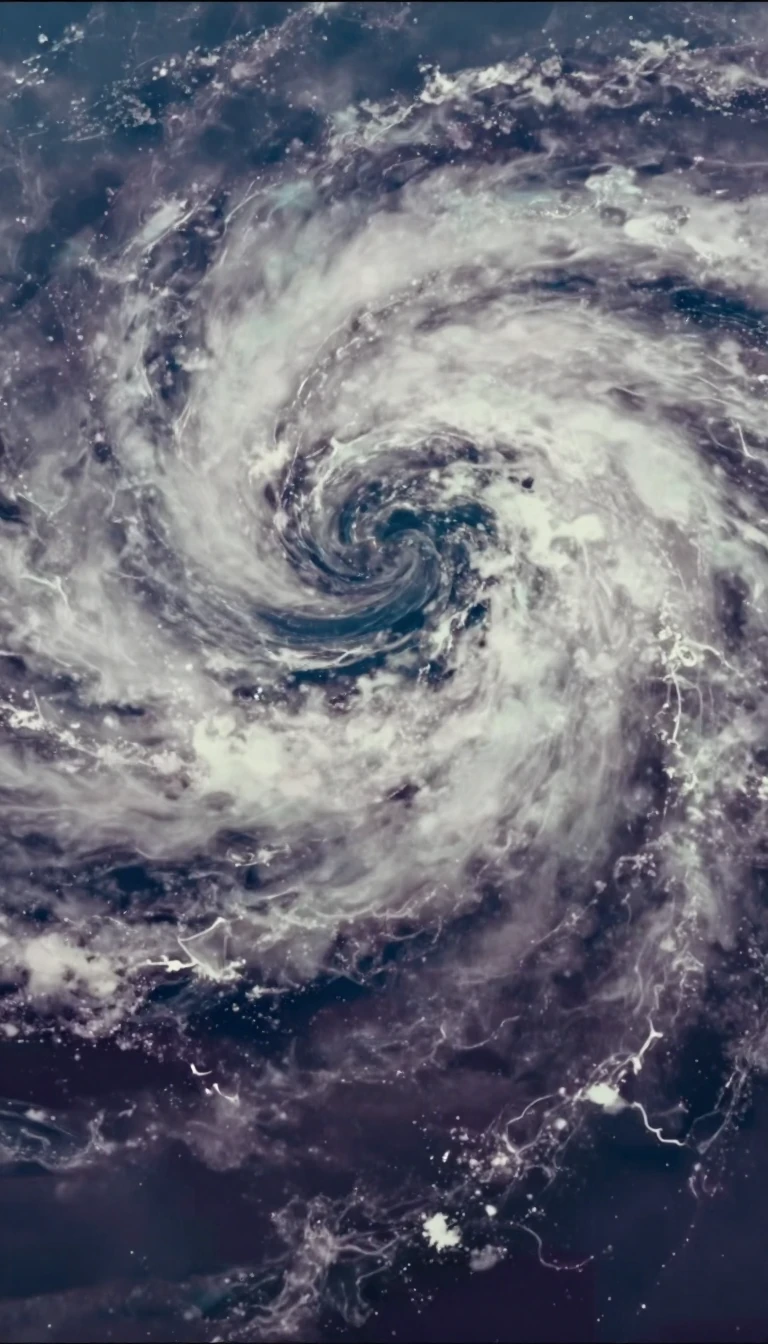
In short: In 1979, Hurricane David carved a path of destruction from the Caribbean to the United States. Beyond its tragic toll, the storm became a milestone in meteorology, serving as the first male-named hurricane to be retired and providing critical data that helped scientists understand the complex mechanics of eyewall replacement cycles.
Forming on August 25, 1979, near the Cape Verde Islands, Hurricane David rapidly intensified into a Category 5 storm. By August 29, it struck Dominica with 150 mph winds, devastating the island's infrastructure and agriculture. The storm then moved toward the Dominican Republic, where it made landfall near Santo Domingo on August 31. With sustained winds reaching 175 mph and gusts exceeding 200 mph, the hurricane caused catastrophic flooding and mudslides, resulting in approximately 2,000 deaths and US$1 billion in damages.
After its rampage through the Caribbean, David weakened but regained strength as it moved toward the Bahamas and Florida. On September 3, it made a glancing landfall near West Palm Beach, Florida, before exiting near New Smyrna Beach. The storm continued northward, eventually making a final landfall near Savannah, Georgia, on September 4. Throughout its life, David inflicted significant losses across the United States, totaling hundreds of millions of dollars in damage and causing flooding as far north as New York.
The legacy of Hurricane David extends into scientific research and naming conventions. Because 1979 marked the inaugural year that Atlantic hurricanes were given men's names, David became the first male name removed from the official list. Furthermore, the National Hurricane Research Laboratory conducted a dozen research flights into the storm. These missions allowed scientists to document eyewall replacement cycles—a phenomenon where a hurricane's inner eye is replaced by an outer ring of clouds—providing foundational insights for modern tropical cyclone observation and modeling.
Opens the Intellect+ feed with this card first. Swipe up for the next one.
Sources
- Summary by Intellect · source: Hurricane David forms | August 25, 1979 | HISTORY
- Also: 35th Anniversary of Hurricane David's Florida landfall - NOAA's Atlantic Oceanographic and Meteorological Laboratory
- Also: Hurricane David -Early September 1979
- Also: Hurricane David
To cite this card, link to https://intellectplus.co.uk/app/places-hurricane-david.
How we source, check and correct cards: Editorial standards.
General information, not professional advice. Spotted an error? Flag the card or see corrections and complaints.
Intellect Plus is a visual educational discovery platform for exploring fascinating facts and ideas. Brain Food, Not Brain Rot. What is Intellect Plus?
Related
More in Bodies of water · More in Countries & Cities · Latest · A–Z · All topics
