How a stalled weather pattern forced Hurricane Jeanne into a deadly, unexpected clockwise loop
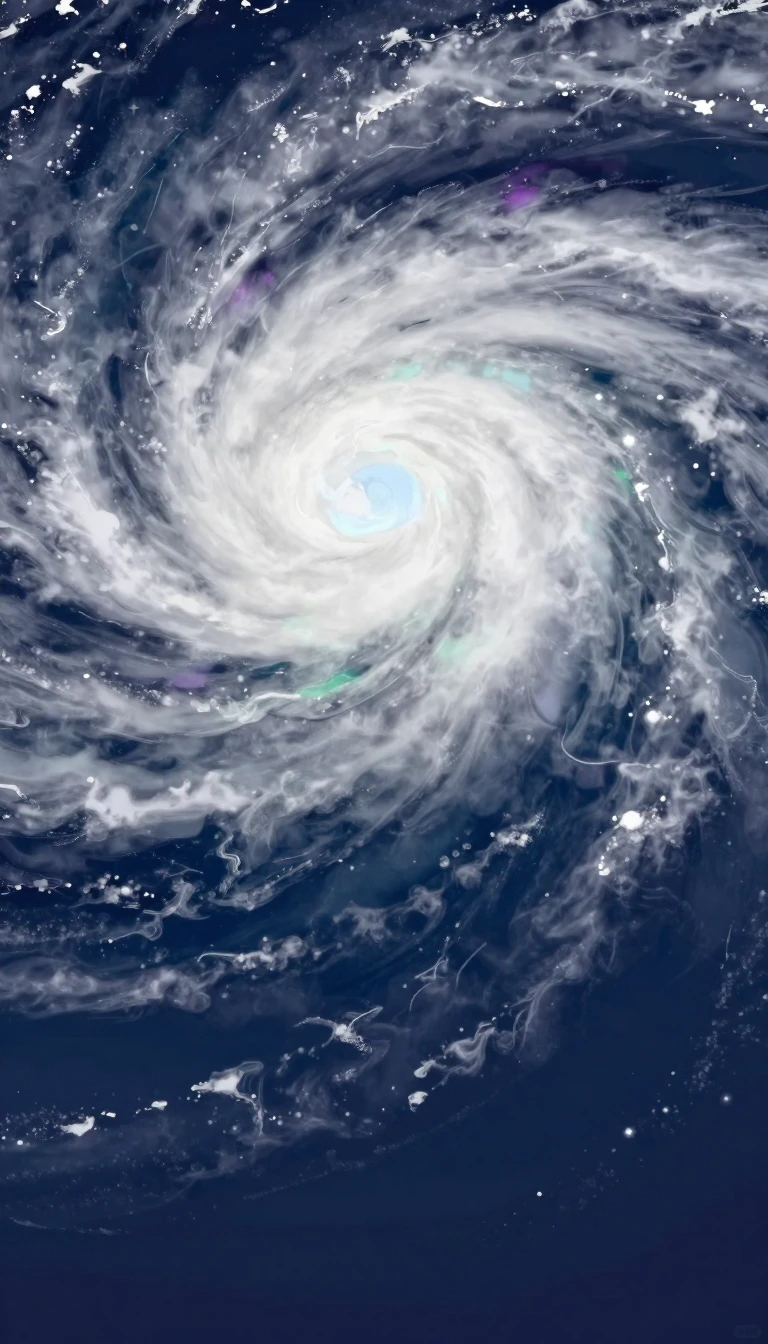
In short: In 2004, Hurricane Jeanne seemed destined to drift harmlessly out to sea. Instead, a stubborn high-pressure ridge trapped the storm, forcing it into a rare clockwise loop. This maneuver allowed the cyclone to regain strength before slamming into Florida, marking a devastating end to a record-breaking hurricane season.
Hurricane Jeanne began as a tropical wave, officially forming into a tropical depression on September 13, 2004. As it moved through the Caribbean, it struck Puerto Rico and the Dominican Republic, where its passage over the mountainous terrain of Hispaniola caused it to weaken. However, the storm dumped catastrophic rainfall on the region, triggering landslides and floods that resulted in over 3,000 deaths, primarily in Haiti.
After clearing the islands, the storm moved toward the Turks and Caicos, where meteorologists initially expected it to curve away from land. A shift in atmospheric steering currents changed its trajectory. A large high-pressure system stalled to the north, effectively pinning the storm in place for five days. During this period, Jeanne executed a complete clockwise loop over the Atlantic. As it circled, it moved over waters it had previously churned, which initially caused a temporary dip in wind speeds due to upwelling of cooler ocean temperatures.
Once the storm cleared the cooler water and moved away from the influence of the ridge, it intensified rapidly. By the time it reached the northern Bahamas on September 25, it had regained major hurricane status. It made landfall at Sewall’s Point, Florida, at midnight, carrying maximum sustained winds of 120 mph. This arrival was particularly destructive because many Florida communities were still recovering from the impacts of Hurricane Frances, which had struck the same vicinity only three weeks earlier.
The storm eventually tracked northwest across Georgia and the Carolinas, producing heavy rain and an outbreak of 42 tornadoes before merging with a cold front to become an extratropical low. The total damage in the United States was estimated at approximately $7 billion to $7.5 billion. Due to its profound impact, the name Jeanne was officially retired from the list of Atlantic hurricane names.
Opens the Intellect+ feed with this card first. Swipe up for the next one.
Sources
- Summary by Intellect · source: 10th Anniversary of Hurricane Jeanne - NOAA's Atlantic Oceanographic and Meteorological Laboratory
- Also: Hurricane Jeanne - September 13-28, 2004
- Also: Hurricane Jeanne
To cite this card, link to https://intellectplus.co.uk/app/places-hurricane-jeanne.
How we source, check and correct cards: Editorial standards.
General information, not professional advice. Spotted an error? Flag the card or see corrections and complaints.
Intellect Plus is a visual educational discovery platform for exploring fascinating facts and ideas. Brain Food, Not Brain Rot. What is Intellect Plus?
Related
More in Bodies of water · More in Countries & Cities · Latest · A–Z · All topics
