Why a desolate Icelandic rift valley became the cradle of a nation's identity
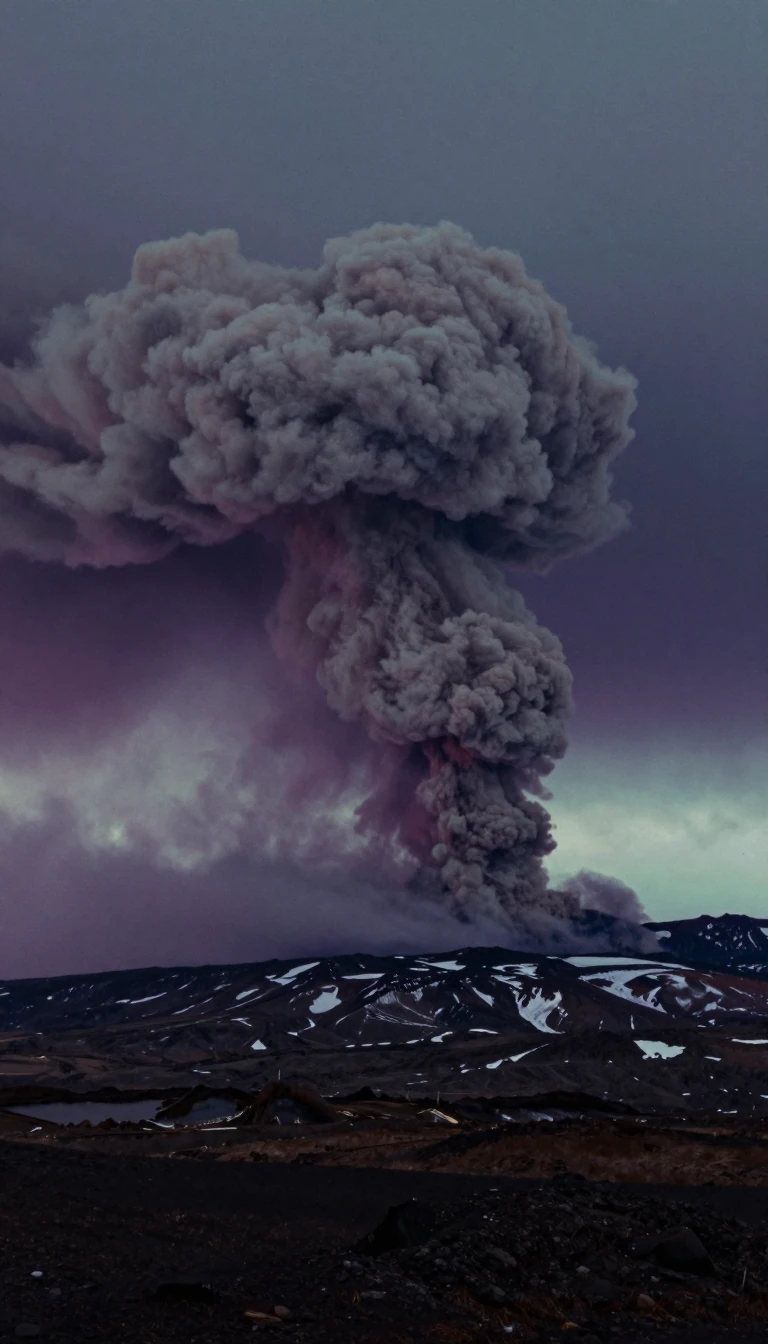
In short: For nearly nine centuries, Icelanders gathered at Þingvellir to settle disputes and forge laws. This volcanic rift, where tectonic plates pull apart, served as the heart of the Icelandic Commonwealth. Today, it stands as a protected national shrine, blending deep legislative history with the raw power of shifting earth.
Established in 930, the Alþing functioned as an annual assembly where chieftains and citizens convened for two weeks to debate politics and resolve legal conflicts. The site, chosen for its accessibility to the country's most populated regions, became the foundation for a shared national identity. At its center stood the Lögberg, or Law Rock, where the Lawspeaker recited the nation's statutes from memory, ensuring that legal proceedings were public and transparent. This assembly acted as both a supreme court and a legislative body, maintaining order until the Commonwealth era concluded in 1271.
The landscape itself is as significant as the history it holds. Situated in a rift valley, Þingvellir marks the visible divide where the North American and Eurasian tectonic plates drift away from each other. This geological activity creates dramatic fissures, some filled with crystal-clear water, and frequent earthquakes. The area was designated a national park in 1930 to commemorate the millennium of the Alþing and later earned UNESCO World Heritage status in 2004 for its immense cultural value.
Beyond its political function, the site served as a vibrant social hub. During the assembly, thousands of people would erect temporary turf dwellings, creating a bustling marketplace for merchants, entertainers, and ale-makers. This tradition of gathering left an indelible mark on Icelandic culture, language, and literature. Even after the parliament moved to Reykjavík in 1881, the site remained a powerful nationalist symbol, often described as a secular pilgrimage destination for the Icelandic people.
The name Þingvellir, meaning assembly fields, shares linguistic roots with other historic sites across Northern Europe, such as Tynwald on the Isle of Man and Dingwall in Scotland. Today, the park is a cornerstone of the Golden Circle, attracting visitors who come to witness the geological rift and explore the remnants of a governing tradition that endured for over 800 years.
Opens the Intellect+ feed with this card first. Swipe up for the next one.
Sources
- Summary by Intellect · source: Þingvellir
- Also: Wikidata — Þingvellir · CC0
To cite this card, link to https://intellectplus.co.uk/app/places-ingvellir.
How we source, check and correct cards: Editorial standards.
General information, not professional advice. Spotted an error? Flag the card or see corrections and complaints.
Intellect Plus is a visual educational discovery platform for exploring fascinating facts and ideas. Brain Food, Not Brain Rot. What is Intellect Plus?
Related
More in World Heritage Sites · More in Countries & Cities · Latest · A–Z · All topics
