How a colonial state house became the birthplace of American democracy and global liberty.
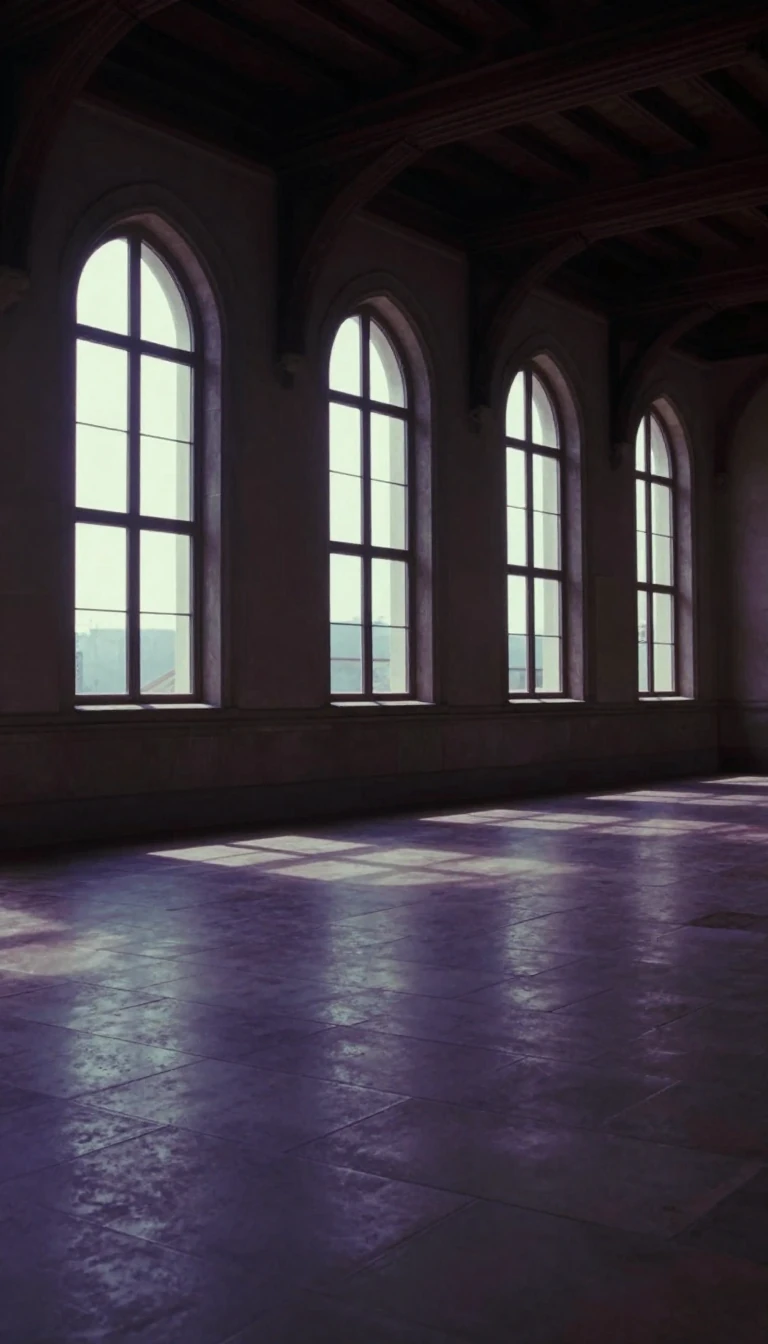
In short: Completed in 1753, Philadelphia’s Independence Hall served as the stage for the most pivotal moments in American history. From the adoption of the Declaration of Independence to the drafting of the U.S. Constitution, this Georgian landmark remains a profound symbol of freedom, despite its humble origins as a provincial capitol.
Originally commissioned as the Pennsylvania State House, the building was designed by Edmund Woolley and Andrew Hamilton. Construction began in 1732 following intense debates among committee members regarding its location and architectural style. By the time it was finished in 1753, the structure featured a distinctive red brick façade and classical proportions, quickly earning a reputation as the town's greatest ornament. Its Assembly Room would eventually host the Second Continental Congress, where delegates established the Continental Army in 1775 and formally adopted the Declaration of Independence on July 4, 1776.
The site’s significance deepened during the 1787 Constitutional Convention. Delegates met throughout a sweltering summer, keeping the windows shut to maintain secrecy while they drafted a new fundamental government design. This work, alongside the earlier Declaration, granted the building outstanding universal significance. In 1979, UNESCO designated Independence Hall a World Heritage Site, recognizing its role as a beacon for political thinkers and governmental charters worldwide. Today, it is managed by the National Park Service, which balances the preservation of its historical integrity with the demands of modern public access.
Maintaining the site requires constant vigilance against environmental degradation, such as acid rain, and the pressures of urban development. Much of what visitors see today is a mid-20th-century reconstruction; for instance, the original wooden steeple was removed in the 1780s due to rot, only to be replaced by William Strickland’s more elaborate design in 1828. Despite these physical changes, the building’s core remains the primary stage where the United States was conceived. It stands as a testament to the enduring power of the ideas debated within its walls, from the 18th-century birth of a nation to the 1865 funerary procession of Abraham Lincoln.
Opens the Intellect+ feed with this card first. Swipe up for the next one.
Sources
- Summary by Intellect · source: Independence Hall
- Also: Wikidata — Independence Hall · CC0
- Also: Wikidata — Independence Hall · CC0
To cite this card, link to https://intellectplus.co.uk/app/places-independence-hall.
How we source, check and correct cards: Editorial standards.
General information, not professional advice. Spotted an error? Flag the card or see corrections and complaints.
Intellect Plus is a visual educational discovery platform for exploring fascinating facts and ideas. Brain Food, Not Brain Rot. What is Intellect Plus?
Related
More in World Heritage Sites · More in Countries & Cities · Latest · A–Z · All topics
