How a once-ruined Yangtze port transformed into a modern industrial and cultural powerhouse
In short: Jiujiang has survived centuries of rebellion, foreign concessions, and wartime devastation to emerge as a vital economic hub. From its ancient roots as a convergence of nine rivers to its status as a major international trade port, this city’s history is a testament to resilience and strategic reinvention.
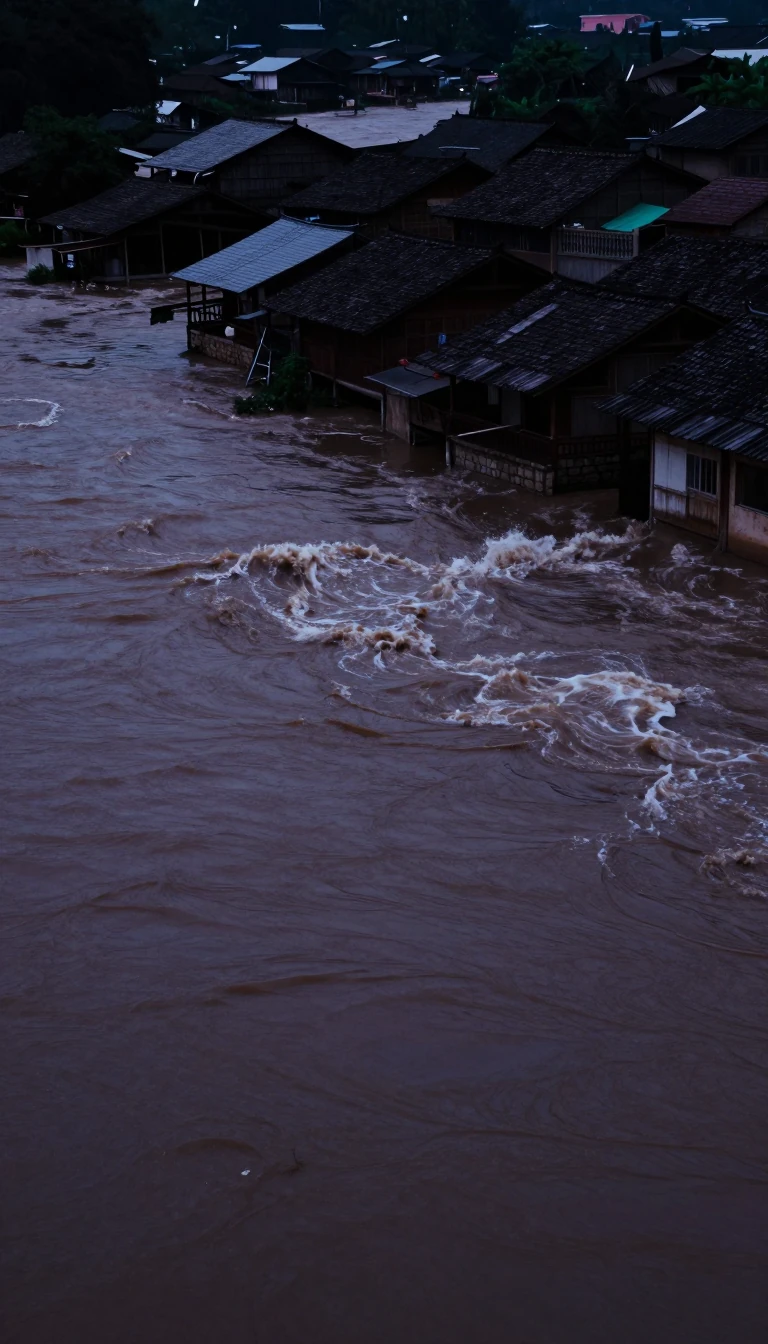
Located on the southern banks of the Yangtze River, Jiujiang has served as a critical water gateway for millennia. Its name, meaning nine rivers, reflects its ancient geography, and it has been a center of power since the Xia and Shang dynasties. Throughout history, the city has been known by various names, including Jiangzhou and Xunyang, and has hosted legendary figures like the poet Tao Yuanming and the philosopher Zhu Xi. However, the city has also endured profound trauma; during the Taiping Rebellion in the 19th century, it was reduced to a single street of intact buildings, and in 1938, it suffered under Japanese occupation.
The 19th century brought significant shifts as Jiujiang became an open treaty port in 1862. Following the Second Opium War, British officials established a concession, and the city became a major center for the tea trade. This era also saw the arrival of Western medical pioneers, including Drs. Mary Stone and Ida Kahn, who founded institutions that would eventually evolve into the city's modern educational and medical infrastructure. By the early 20th century, the nearby Mount Lu resort of Kuling became a summer sanctuary for thousands of international residents, highlighting the region's cultural diversity.
Today, Jiujiang has moved far beyond its origins in local handicrafts. Following the implementation of Deng Xiaoping’s Opening-Up Policy, the city leveraged its position as Jiangxi’s only international trade port to build a robust industrial base. Modern Jiujiang is anchored by sectors such as petrochemicals, shipbuilding, and automotive manufacturing. With a 2021 GDP of 373.528 billion yuan and a sophisticated network of bridges and rail systems, the city has successfully integrated into the global economy while preserving its status as a Famed National Historical and Cultural City.
Opens the Intellect+ feed with this card first. Swipe up for the next one.
Sources
- Summary by Intellect · source: Jiujiang
- Also: Wikidata — Jiujiang · CC0
- Also: Wikidata — Jiujiang · CC0
To cite this card, link to https://intellectplus.co.uk/app/places-jiujiang.
How we source, check and correct cards: Editorial standards.
General information, not professional advice. Spotted an error? Flag the card or see corrections and complaints.
Intellect Plus is a visual educational discovery platform for exploring fascinating facts and ideas. Brain Food, Not Brain Rot. What is Intellect Plus?
Related
More in Major world cities · More in Countries & Cities · Latest · A–Z · All topics
