The Gate of Demons: Why China’s most impregnable fortress was a place of exile
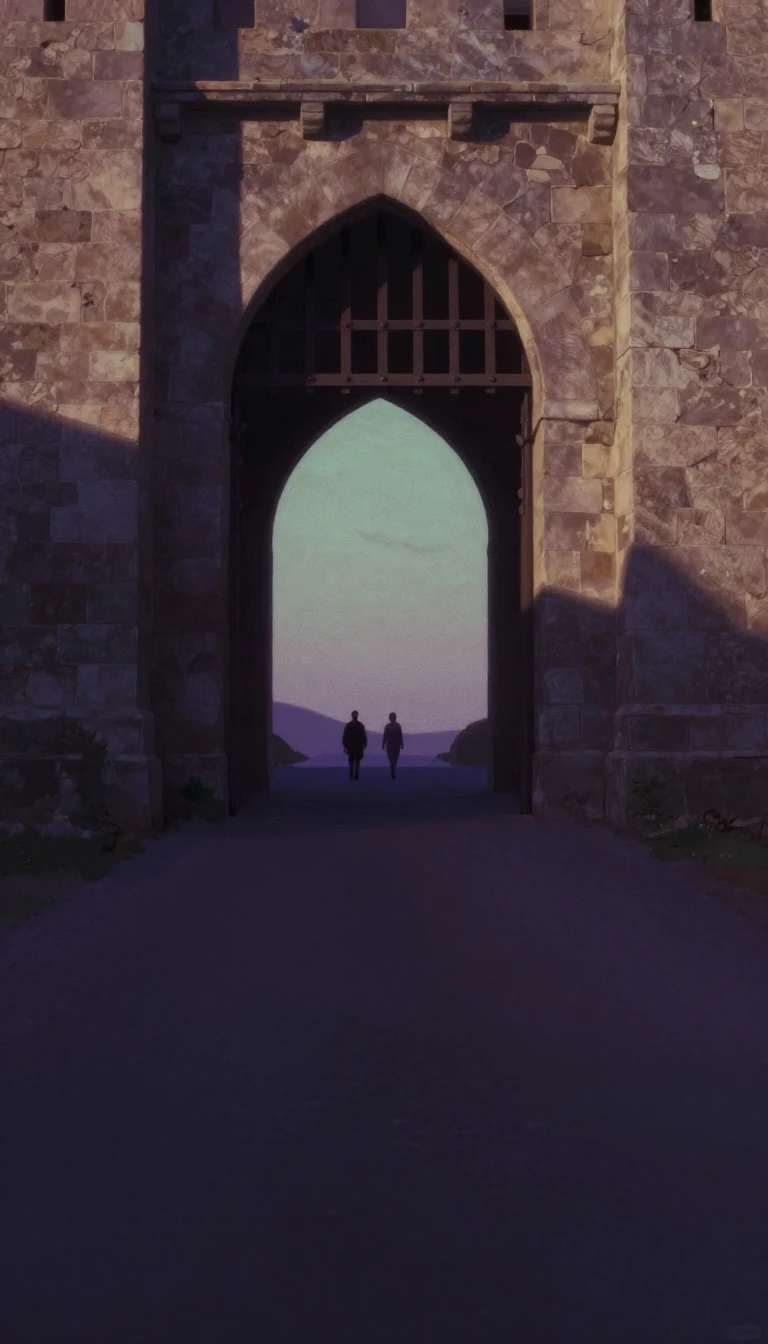
In short: Known as the Greatest Impregnable Pass Under Heaven, Jiayu Pass served as the western terminus of the Ming dynasty Great Wall. While it functioned as a vital Silk Road waypoint for merchants, it also earned a haunting reputation as the final threshold for those banished into the mysterious Gobi Desert.
Constructed around 1372 during the early Ming dynasty, the fortress was designed as a formidable defense against potential invasions, specifically those feared from Timur. Its strategic location at the narrowest point of the Hexi Corridor made it the primary gateway for foreign envoys and merchants entering China. The structure itself is a masterpiece of military engineering, featuring a trapezoid-shaped fort with a perimeter of 733 metres, protected by an inner fort, an outer fort, and a moat. Its walls, standing 11 metres high, were built with such precision that legend claims a designer calculated exactly 99,999 bricks for the project, leaving only a single brick remaining upon completion.
Beyond its military utility, the pass held a darker significance as the Gate of Demons. For generations, disgraced officials, criminals, and political exiles—including the famous Commissioner Lin Zexu—were ordered to depart through its western archway, never to return. The tunnel walls became a makeshift anthology of grief, covered in writings from those facing permanent banishment into the desolate regions beyond the frontier. This psychological weight transformed the fortress from a mere defensive barrier into a profound symbol of loss and separation from the Chinese heartland.
The area surrounding the modern city of Jiayuguan also preserves a rich archaeological legacy. East of the city, thousands of tombs dating from the Wei and Western Jin dynasties (266–420) have been discovered. These sites are renowned for their intricate bricks, which offer a vivid window into ancient daily life, depicting scenes ranging from mulberry picking to horse herding. While the fortress remains the most intact ancient military structure on the Great Wall, these excavated tombs provide a softer, more domestic counterpoint to the imposing, fearsome reputation of the pass itself.
Opens the Intellect+ feed with this card first. Swipe up for the next one.
Sources
- Summary by Intellect · source: Jiayu Pass
To cite this card, link to https://intellectplus.co.uk/app/places-jiayu-pass.
How we source, check and correct cards: Editorial standards.
General information, not professional advice. Spotted an error? Flag the card or see corrections and complaints.
Intellect Plus is a visual educational discovery platform for exploring fascinating facts and ideas. Brain Food, Not Brain Rot. What is Intellect Plus?
Related
More in Historical cities, towns and archaeological sites · More in Countries & Cities · Latest · A–Z · All topics
