How returning fortune-seekers transformed a Mediterranean fishing village into a modernist architectural showcase
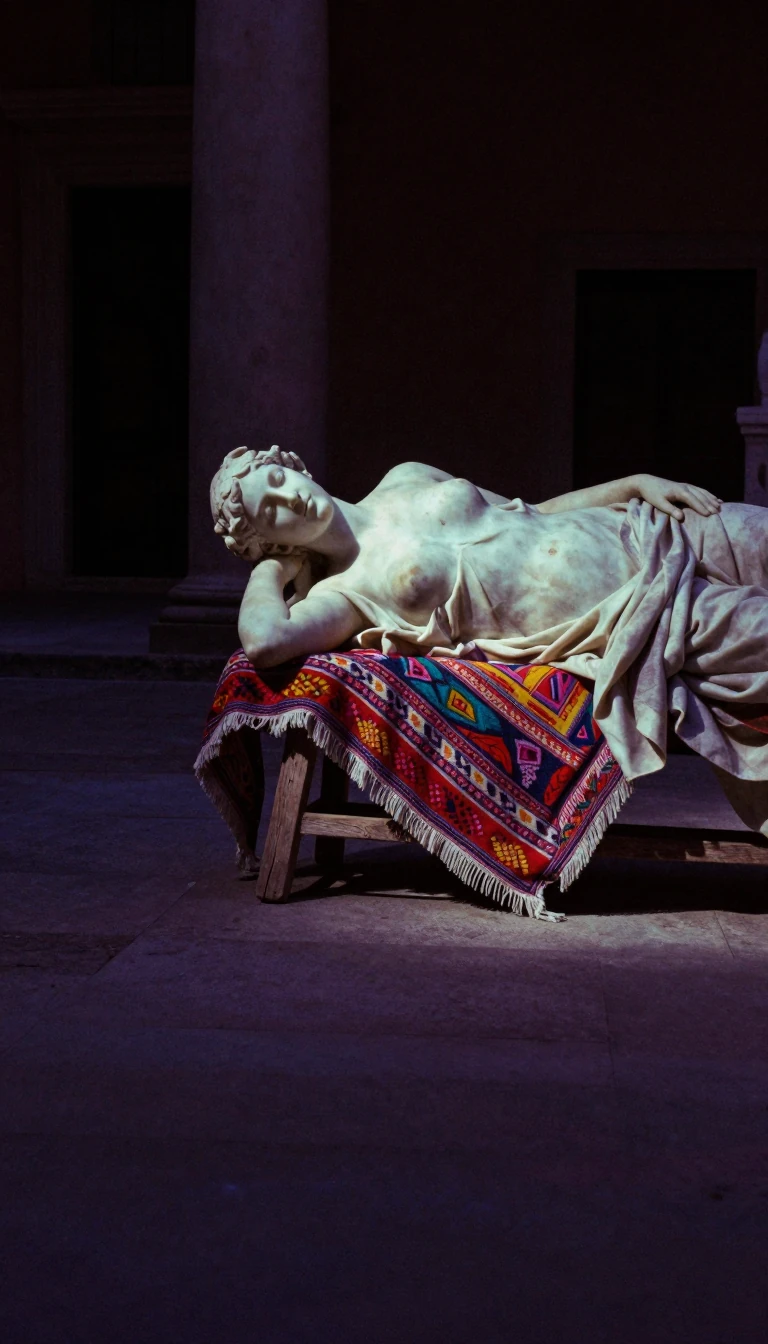
In short: Lloret de Mar is more than a coastal tourist destination. In the 19th and early 20th centuries, local emigrants who struck it rich in the Americas returned home as Indianos. Their wealth funded a radical urban transformation, leaving behind a legacy of neoclassical palaces, modernist cemeteries, and opulent seaside architecture.
The identity of Lloret de Mar was fundamentally reshaped by the Indianos, Catalans who emigrated to the Americas—particularly Havana and Matanzas in Cuba—to seek their fortunes. Between 1800 and 1840, many of the town's poorest residents departed, but those who succeeded returned with significant capital. This influx of wealth allowed the town to move beyond its seafaring and fishing roots, leading to the demolition of older structures and the construction of neoclassical and modernist palaces along the promenade.
This affluent era is perhaps most visible in the town's funerary art. The modernist cemetery, constructed between 1896 and 1901, serves as a testament to the Indianos' influence. Designed by architects like Joaquim Artau i Fàbregas and featuring works by disciples of Gaudí such as Bonaventura Conill i Montobbio, the cemetery contains elaborate pantheons and sculptures that reflect the period's aesthetic ambitions. These structures, including the ornate tomb of the Costa Macià family, remain some of the most representative examples of Catalan modernist funerary art.
The Indianos also left their mark on the town's religious and civic life. They funded the 1914 modernist reconstruction of the Church of Sant Romà, incorporating Byzantine, Moorish, and Renaissance influences. Their impact extended to the town's infrastructure, including the creation of the Passeig de les Palmeres on land reclaimed from the sea. Today, the Casa Garriga—an old Indiano residence—houses the Maritime Museum, preserving the history of this unique period when the fortunes of a small Mediterranean town were inextricably linked to the New World.
Opens the Intellect+ feed with this card first. Swipe up for the next one.
Sources
- Summary by Intellect · source: Lloret de Mar
- Also: Wikidata — Lloret de Mar · CC0
- Also: Wikidata — Lloret de Mar · CC0
To cite this card, link to https://intellectplus.co.uk/app/places-lloret-de-mar.
How we source, check and correct cards: Editorial standards.
General information, not professional advice. Spotted an error? Flag the card or see corrections and complaints.
Intellect Plus is a visual educational discovery platform for exploring fascinating facts and ideas. Brain Food, Not Brain Rot. What is Intellect Plus?
Related
More in Bodies of water · More in Countries & Cities · Latest · A–Z · All topics
