Lublin Voivodeship: A Southeastern Polish Region Shaped by Centuries of History and Trade
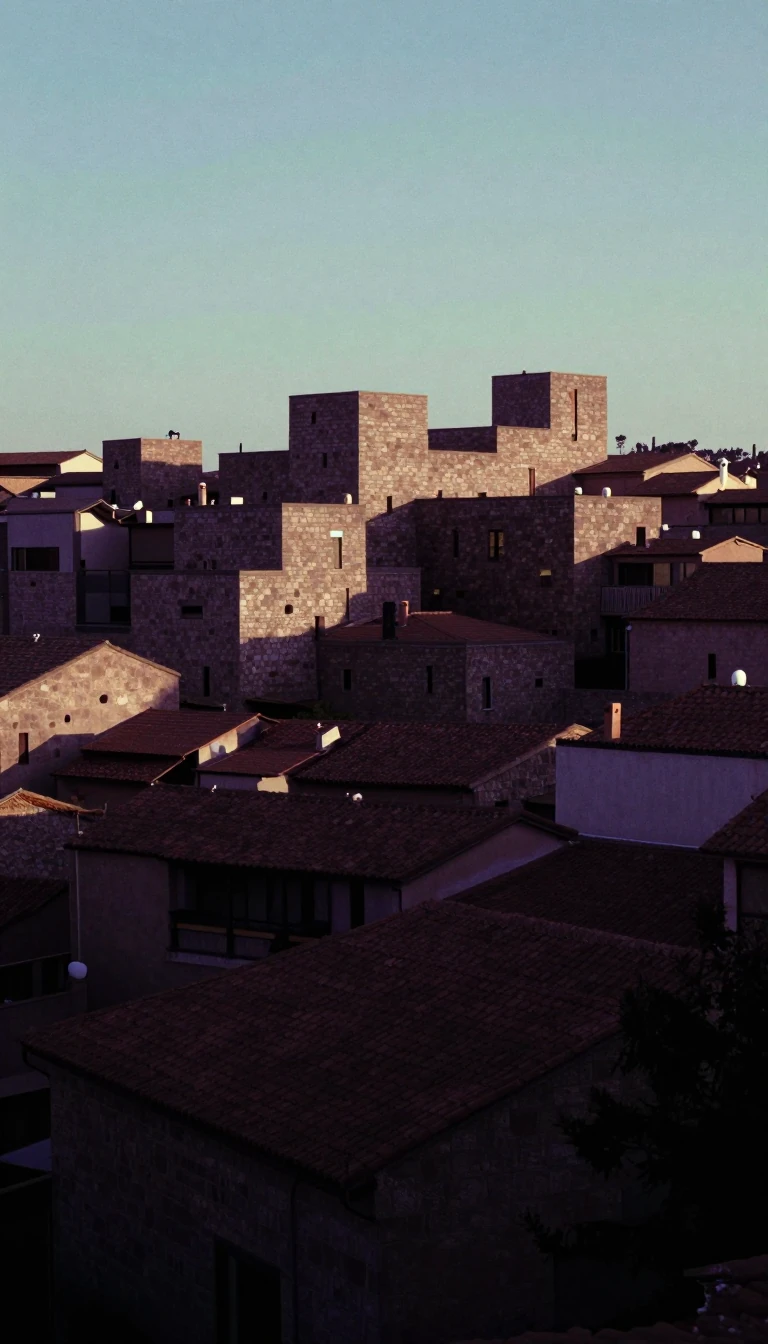
In short: Spanning over 25,000 square kilometers, Lublin Voivodeship is a diverse Polish province where ancient trade routes, Renaissance architecture, and a complex, often tragic, history converge. From its role as a parliamentary hub to its status as a center of Jewish life, this region offers a profound look into Poland's past.
Located in southeastern Poland, the modern Lublin Voivodeship was established in 1999 following administrative reforms. Its territory draws from four historical lands: Lesser Poland, Cherven Cities, Polesie, and Podlasie. The region is centered around its capital, Lublin, a city that historically hosted sessions of the Polish Parliament and served as the seat for the Crown Tribunal, the highest court of appeal in the Kingdom of Poland. The area's strategic importance was solidified by its location at the crossroads of trade, which historically attracted diverse communities, including Scottish and Armenian settlers.
The region’s cultural landscape was profoundly influenced by its Jewish population, which grew significantly after the mid-16th century as new private towns were founded to boost commerce. By the 20th century, Jews formed the majority in several towns, and the area became a major center for Jewish religious and intellectual life. However, this history was shattered during World War II, when the region became a site of Nazi German extermination and labor camps, including Majdanek, Bełżec, and Sobibór. Today, the area is experiencing a resurgence of interest in its Jewish heritage, with tourism focused on historical roots and the restoration of significant sites.
Economically, the voivodeship faces challenges, recording the lowest GDP per capita in Poland as of 2018. Despite this, it remains a vital industrial and agricultural hub, home to the Lublin Coal Basin and a variety of protected natural landscapes, including two National Parks. The region is also celebrated for its unique culinary traditions, such as regional honeys and specialized meat products, and its architectural treasures, notably the Lublin Renaissance style. From the underground chalk tunnels of Chełm to the medieval frescoes in the Chapel of the Holy Trinity, the province remains a repository of deep cultural and historical significance.
Opens the Intellect+ feed with this card first. Swipe up for the next one.
Sources
- Summary by Intellect · source: Lublin Voivodeship
- Also: Wikidata — Lublin Voivodeship · CC0
- Also: Wikidata — Lublin Voivodeship · CC0
To cite this card, link to https://intellectplus.co.uk/app/places-lublin-voivodeship.
How we source, check and correct cards: Editorial standards.
General information, not professional advice. Spotted an error? Flag the card or see corrections and complaints.
Intellect Plus is a visual educational discovery platform for exploring fascinating facts and ideas. Brain Food, Not Brain Rot. What is Intellect Plus?
Related
More in Regions and country subdivisions · More in Countries & Cities · Latest · A–Z · All topics
