How a tiny Calvinist republic became the French Manchester of the industrial age
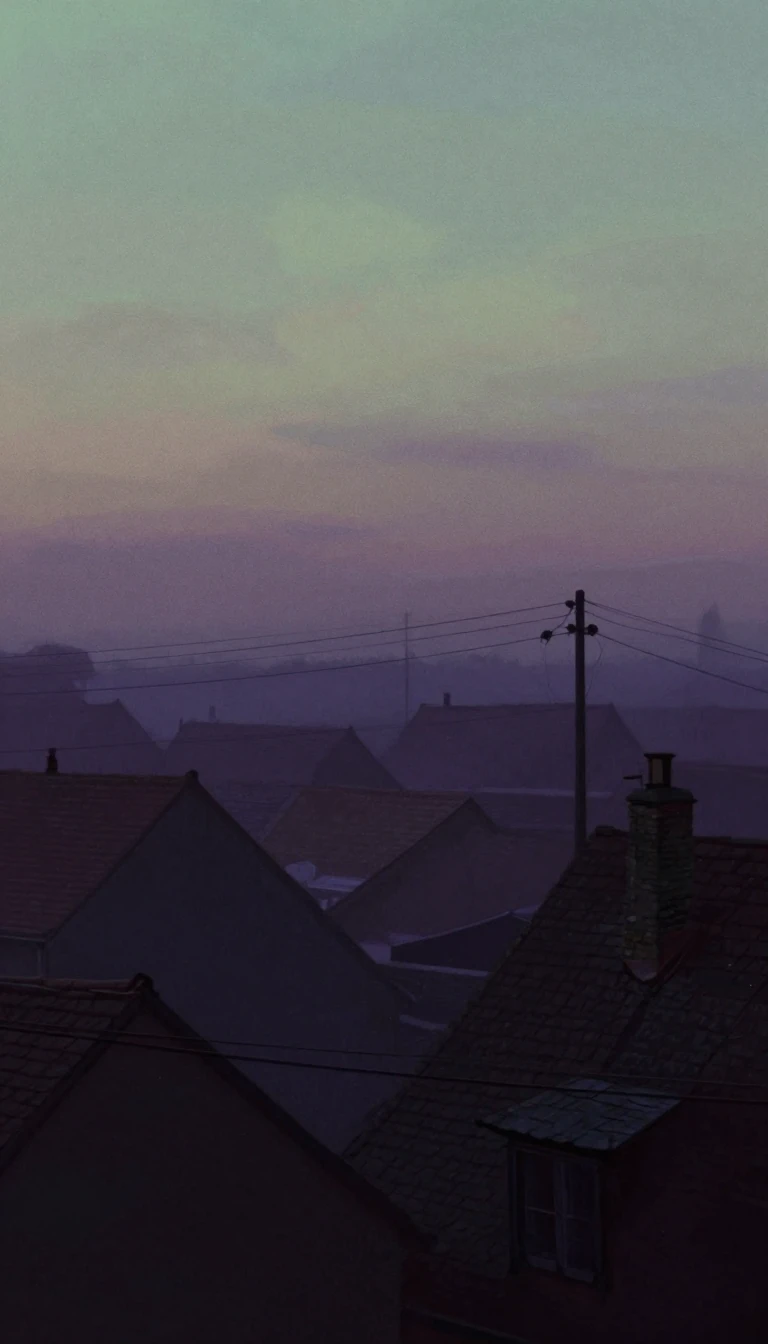
In short: Once a free, independent city-state, Mulhouse transformed into a global industrial powerhouse. Known as the French Manchester, this Alsatian hub pioneered textile printing and locomotive manufacturing. Today, it balances its rich, complex history with world-class museums, serving as a unique crossroads between France, Switzerland, and Germany.
Mulhouse’s identity is defined by its unusual political evolution. For centuries, it was a free Calvinist republic associated with the Swiss Confederation, allowing it to remain independent while surrounding territories were absorbed by France in 1648. It was not until 1798 that the city’s citizens voted to join France. This legacy of independence and international connection fostered a unique urban character, distinct from its neighbors in the Alsace region.
The city’s industrial rise began in 1746 with the establishment of its first textile printing works. By the 19th century, Mulhouse had earned the nickname 'the French Manchester' due to its massive output of printed fabrics and chemical manufacturing. Industrialists like André Koechlin, who began producing railroad equipment in 1842, cemented the city's reputation as an engineering hub. This era of prosperity left a lasting mark on the city's architecture, from the planned Nouveau Quartier to the grand Rebberg district, where mansions were inspired by Louisiana cotton plantations.
Today, Mulhouse is a city of layered history and modern industry. It hosts Europe’s largest automobile and railway museums, reflecting its deep engineering roots. While the city has faced challenges—including the trauma of being annexed by the German Empire between 1871 and 1918 and the destruction of two world wars—it remains a vital hub. Its strategic location near the borders of Switzerland and Germany continues to drive its economy, supported by the shared EuroAirport and a robust rail network connecting it to major European capitals.
The city’s cultural and administrative life is equally diverse. It is home to the Upper Alsace University and the secretariat of the European Physical Society. Despite its industrial past, the city maintains a commitment to the arts and sports, ranging from the historic Hôtel de Ville, described by Montaigne in 1580 as a 'splendid golden palace,' to its modern status as a national center for women's volleyball.
Opens the Intellect+ feed with this card first. Swipe up for the next one.
Sources
- Summary by Intellect · source: Mulhouse
- Also: Wikidata — Mulhouse · CC0
To cite this card, link to https://intellectplus.co.uk/app/places-mulhouse.
How we source, check and correct cards: Editorial standards.
General information, not professional advice. Spotted an error? Flag the card or see corrections and complaints.
Intellect Plus is a visual educational discovery platform for exploring fascinating facts and ideas. Brain Food, Not Brain Rot. What is Intellect Plus?
Related
More in Europe and Russia · More in Countries & Cities · Latest · A–Z · All topics
