Why Kenya protects its highest peak as both a sanctuary and a water tower
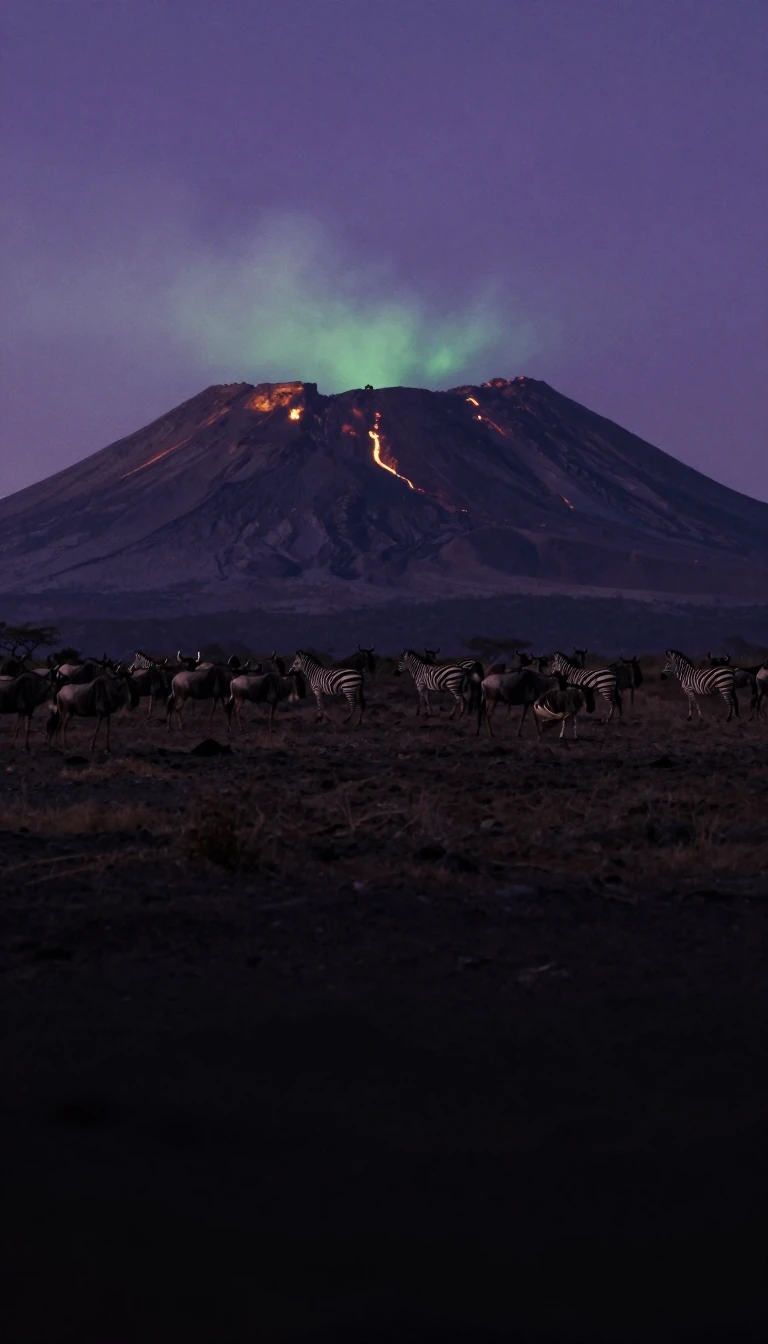
In short: Established in 1949, Mount Kenya National Park serves as far more than a scenic destination for tourists. By safeguarding the mountain's slopes, the park functions as a critical drainage basin for the region, while its volcanic soil and abundant freshwater supply sustain the agricultural productivity of the surrounding Kenyan landscape.
The creation of Mount Kenya National Park was driven by four distinct strategic goals identified by the Kenyan government: boosting local and national tourism, preserving the area's striking natural beauty, protecting regional biodiversity, and maintaining a vital water-catchment system. Originally managed as a forest reserve, the area transitioned into a national park to better secure its environmental integrity. Today, the park remains encircled by that original forest reserve, and the combined 1,420 square kilometer area was officially recognized as a UNESCO World Heritage Site in 1997.
The park's geography is defined by its elevation, with the majority of its 715 square kilometer expanse situated above the 3,000-meter contour line. This high-altitude environment supports a diverse range of wildlife, including Cape buffaloes and black-and-white colobus monkeys at lower elevations. The region's ecological management also involves practical interventions; for example, electrified fences have been installed along borders near densely populated areas to prevent elephants from encroaching on nearby farmland. Historical records note the presence of significant predators, such as a 272-kilogram male lion documented near the mountain in 1993.
Beyond its role as a wildlife refuge, the park is an essential economic engine. The volcanic sediment found in the soil, combined with the massive volume of fresh water flowing down the mountain slopes, creates an exceptionally favorable environment for agriculture in the surrounding region. This dual identity—as both a protected wilderness and a foundational resource for human sustenance—led to the area being designated a UNESCO Biosphere Reserve in April 1978. By balancing conservation with the needs of the local population, the park continues to serve as a critical pillar for both the ecology and the economy of Kenya.
Opens the Intellect+ feed with this card first. Swipe up for the next one.
Sources
- Summary by Intellect · source: Mount Kenya National Park
- Also: Wikidata — Mount Kenya National Park · CC0
- Also: Wikidata — Mount Kenya · CC0
To cite this card, link to https://intellectplus.co.uk/app/places-mount-kenya-national-park.
How we source, check and correct cards: Editorial standards.
General information, not professional advice. Spotted an error? Flag the card or see corrections and complaints.
Intellect Plus is a visual educational discovery platform for exploring fascinating facts and ideas. Brain Food, Not Brain Rot. What is Intellect Plus?
Related
More in World Heritage Sites · More in Countries & Cities · Latest · A–Z · All topics
