Why North Korea’s legendary Diamond Mountain is a landscape of shifting political fortunes
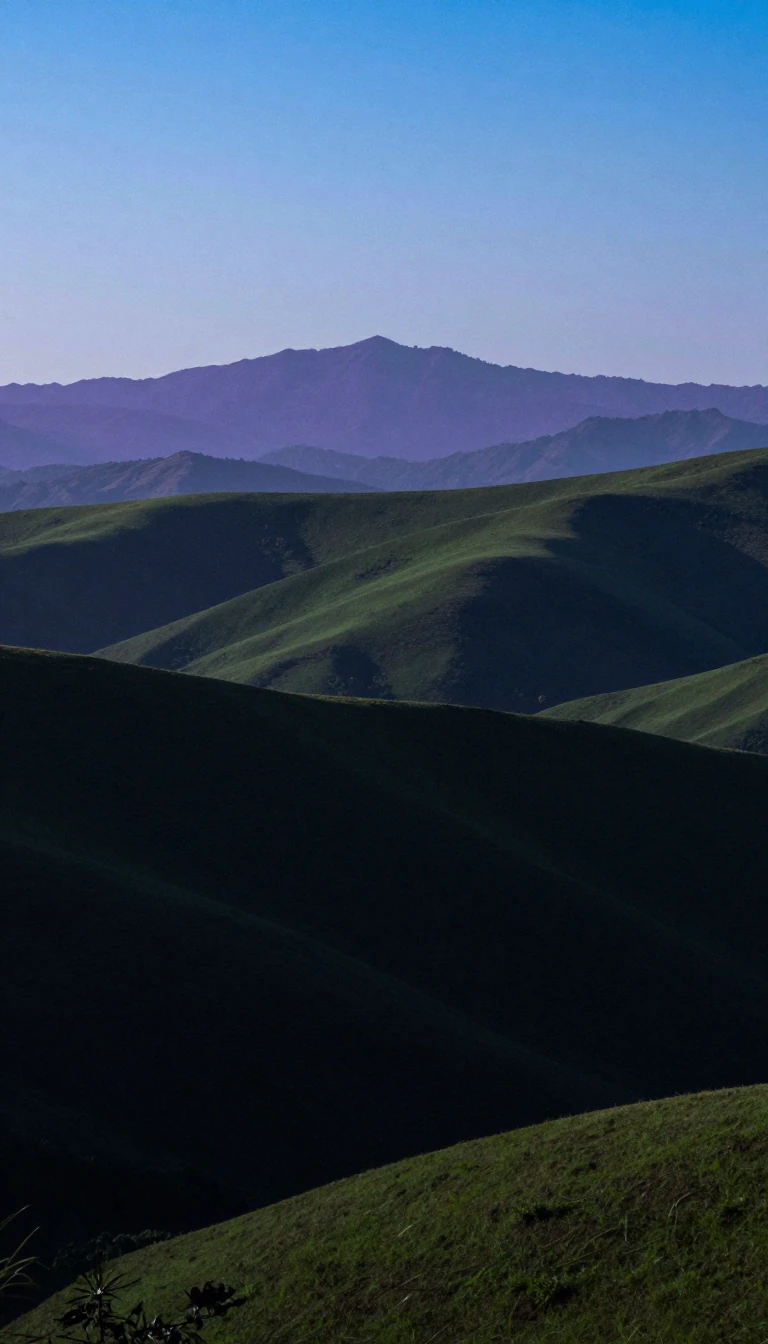
In short: Mount Kumgang, a UNESCO World Heritage site known for its 12,000 peaks, has long captivated artists and poets. Yet, this natural wonder in North Korea has also served as a volatile stage for inter-Korean relations, evolving from a symbol of cross-border cooperation into a site of geopolitical tension and closure.
Known as the Diamond Mountain, Mount Kumgang is a 1,638-meter-high massif in North Korea’s Kangwŏn Province. Its dramatic terrain, shaped by millions of years of erosion and geological activity, features granite peaks, deep valleys, and iconic waterfalls like the 74-meter-high Kuryong Falls. Historically revered by Joseon-era artists like Jeong Seon, the mountain is divided into Inner, Outer, and Sea Kumgang, with a climate that supports diverse flora and endangered species like the red-crowned crane.
The mountain’s modern history is defined by its role as a bridge between North and South Korea. In 1998, a tourist region was established, allowing South Koreans to visit via cruise and later by land. By 2005, over one million South Koreans had visited the resort. However, the project was fraught with instability. In 2008, the fatal shooting of a South Korean tourist by North Korean soldiers led to the suspension of tours, followed by the North Korean government’s seizure of South Korean assets in 2010.
The site’s status has continued to decline in recent years. While it was designated a UNESCO World Heritage Site in 2025, satellite imagery from late 2022 showed the dismantling of resort facilities under directives from leader Kim Jong Un. By January 2024, North Korea announced the closure of the Mount Kumgang International Tourism Administration, effectively ending the era of cross-border tourism that once defined this storied landscape.
Opens the Intellect+ feed with this card first. Swipe up for the next one.
Sources
- Summary by Intellect · source: Mount Kumgang
- Also: Wikidata — Mount Kumgang · CC0
- Also: Wikidata — Mount Kumgang · CC0
To cite this card, link to https://intellectplus.co.uk/app/places-mount-kumgang.
How we source, check and correct cards: Editorial standards.
General information, not professional advice. Spotted an error? Flag the card or see corrections and complaints.
Intellect Plus is a visual educational discovery platform for exploring fascinating facts and ideas. Brain Food, Not Brain Rot. What is Intellect Plus?
Related
More in World Heritage Sites · More in Countries & Cities · Latest · A–Z · All topics
