How Islamic Craftsmanship and European Gothic Merged to Define the Landscape of Aragon
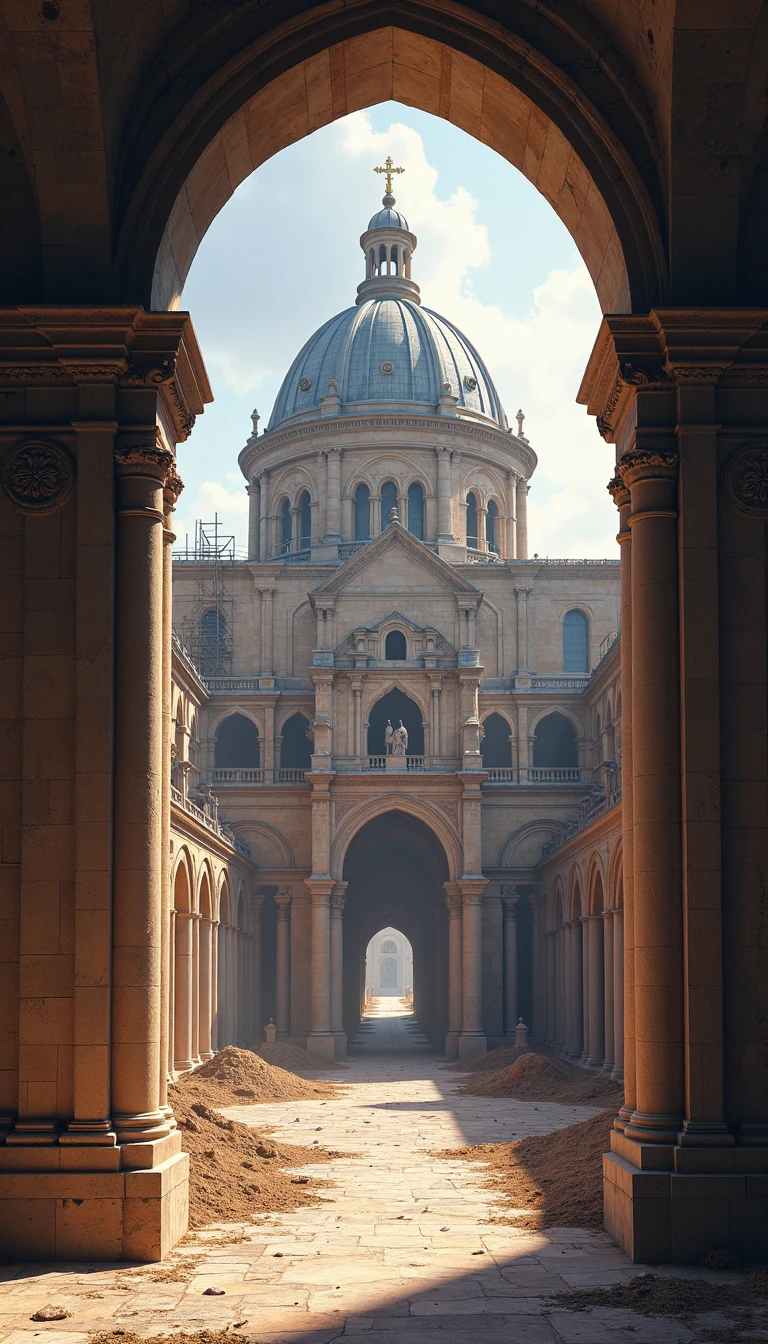
In short: Spanning five centuries, the Mudéjar style of Aragon represents a unique architectural synthesis. By blending Islamic ornamental traditions with Romanesque and Gothic structural forms, builders created a distinct aesthetic that earned UNESCO World Heritage status. Discover the hidden logic behind these brick-built monuments and their fortress-like church designs.
The Mudéjar style emerged in Aragon following the Reconquista, flourishing from the 12th through the 17th century. This architectural movement was born from a convergence of cultural and social conditions, resulting in a hybrid aesthetic that integrated Islamic decorative techniques with prevailing European Gothic and Romanesque structural frameworks. The style is concentrated primarily within the river basins of the Ebro, Jalón, and Jiloca regions, where over a hundred monuments remain as testaments to this cross-cultural exchange.
Structurally, these buildings often adopt Cistercian Gothic layouts but with significant local adaptations. Architects frequently utilized thick walls and octagonal apses to manage roof thrust, often omitting traditional buttresses in favor of internal brickwork decoration. A defining feature is the church-fortress, exemplified by the church of Montalbán, which incorporates hidden side chapels and internal walkways known as ándites. These galleries provided functional space while maintaining a defensive, closed appearance from the exterior.
The most striking elements are the bell towers, which evolved directly from the Islamic minaret tradition. These towers typically feature a quadrangular base with a central pier and internal staircase vaults, mirroring Almohad designs. Above this base, the structures often transition into polygonal or octagonal forms. The ornamentation is equally distinctive, characterized by the refined application of glazed tiles and intricate brickwork patterns, which UNESCO recognized in 1986 by designating the Teruel complex as a World Heritage Site, an honor extended to further monuments in 2001.
This architecture is more than just a visual curiosity; it is considered an outstanding example of a technological ensemble that illustrates a pivotal period in human history. By utilizing brick rather than stone, builders were able to execute complex tracery that defined the region's identity. Whether through the royal influence seen in the Aljafería Palace or the humble parish churches of small towns, the Mudéjar style remains a profound record of how diverse traditions can coalesce into a singular, enduring artistic language.
Opens the Intellect+ feed with this card first. Swipe up for the next one.
Sources
- Summary by Intellect · source: Mudéjar architecture of Aragon
- Also: Wikidata — Mudejar Architecture of Aragon · CC0
To cite this card, link to https://intellectplus.co.uk/app/places-mud-jar-architecture-of-aragon.
How we source, check and correct cards: Editorial standards.
General information, not professional advice. Spotted an error? Flag the card or see corrections and complaints.
Intellect Plus is a visual educational discovery platform for exploring fascinating facts and ideas. Brain Food, Not Brain Rot. What is Intellect Plus?
Related
More in World Heritage Sites · More in Countries & Cities · Latest · A–Z · All topics
