A massive mountain island in Malawi is a rain-making machine and a botanical fortress.
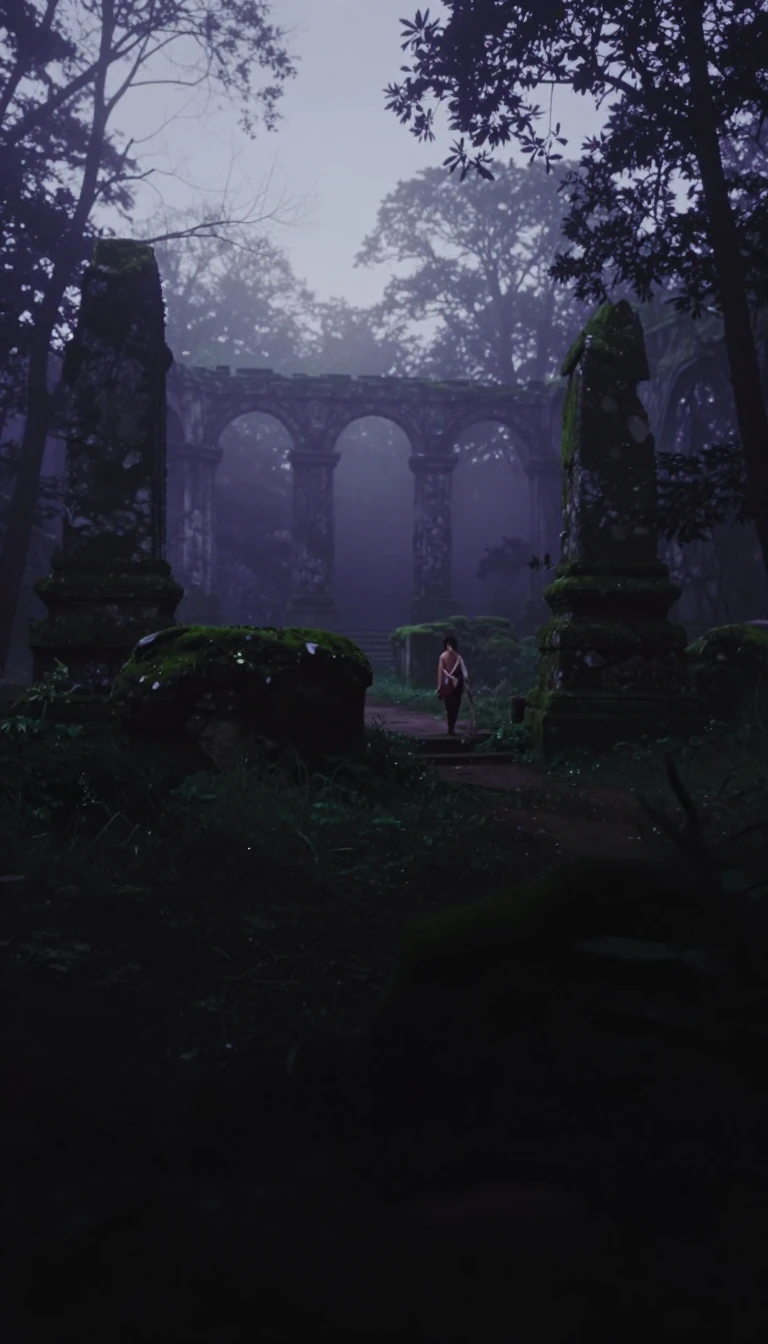
In short: Rising sharply from the plains of southern Malawi, the Mulanje Massif is a geological titan formed 130 million years ago. This unique inselberg acts as a massive rain barrier, creating its own microclimate and sustaining a rare, endangered cedar forest that has become a flashpoint for conservation and illegal logging.
The Mulanje Massif is a dramatic geological feature, an igneous inselberg that stands as the highest point in Malawi. Its peak, Sapitwa, reaches 3,002 meters, towering over the surrounding landscape. Formed by magma intruding into the Earth's crust 130 million years ago, the mountain has survived while softer surrounding rock eroded away. Its sheer elevation forces upper-level air to rise, inducing cloud formation and making the massif a vital water source for the region's rivers.
This mountain island supports a high concentration of endemic species, most notably the Mulanje cedar (Widdringtonia whytei). Proclaimed the national tree of Malawi in 1984, this evergreen is a pioneer species that thrives in fire-prone hollows. However, its durable, fragrant timber has made it a target for illegal harvesting. Despite the Malawi Department of Forestry closing the sawing season in 2007 and deploying armed patrols, the species remains under severe pressure. Conservationists have repeatedly assessed the tree as critically endangered, with some estimates suggesting fewer than 50 mature individuals remain in the wild.
The massif is also a site of complex human history. Archaeological evidence shows human presence dating back to the Middle Stone Age, while more recent centuries saw migrations of the Mang'anja, Yao, and Lomwe peoples. Today, the area surrounding the mountain maintains one of the highest rural population densities in Africa. In 2025, the massif was officially designated a World Heritage Site by UNESCO, recognizing its ecological and cultural significance. While the mountain remains a popular destination for hikers and climbers, the ongoing struggle to protect its unique biodiversity—including rare chameleons, skinks, and the iconic cedar—highlights the tension between local resource needs and global conservation goals.
Opens the Intellect+ feed with this card first. Swipe up for the next one.
Sources
- Summary by Intellect · source: Mulanje Massif
- Also: Wikidata — Mulanje Massif · CC0
To cite this card, link to https://intellectplus.co.uk/app/places-mulanje-massif.
How we source, check and correct cards: Editorial standards.
General information, not professional advice. Spotted an error? Flag the card or see corrections and complaints.
Intellect Plus is a visual educational discovery platform for exploring fascinating facts and ideas. Brain Food, Not Brain Rot. What is Intellect Plus?
Related
More in World Heritage Sites · More in Countries & Cities · Latest · A–Z · All topics
