Lake Ohrid is an ancient, deep-water laboratory that predates the rise of European agriculture.
In short: Straddling the border of Albania and North Macedonia, Lake Ohrid is one of the world's oldest and deepest lakes. It acts as a natural archive of evolutionary history, housing hundreds of endemic species that have thrived in its isolated, oligotrophic waters for millions of years, even as human pressures mount.
Formed by tectonic activity roughly 3 to 5 million years ago, Lake Ohrid is a rare survivor among the world's lakes. While most basins fill rapidly with sediment, Ohrid is preserved by its immense depth—reaching 288 meters—and a unique hydrological cycle. It is primarily fed by underground karstic springs from nearby Lake Prespa, which carry minimal sediment, and it maintains a long hydraulic residence time of about 70 years. This stability has allowed it to become a natural laboratory, with sediment cores providing a 1.2 million-year record of regional climate and biological evolution.
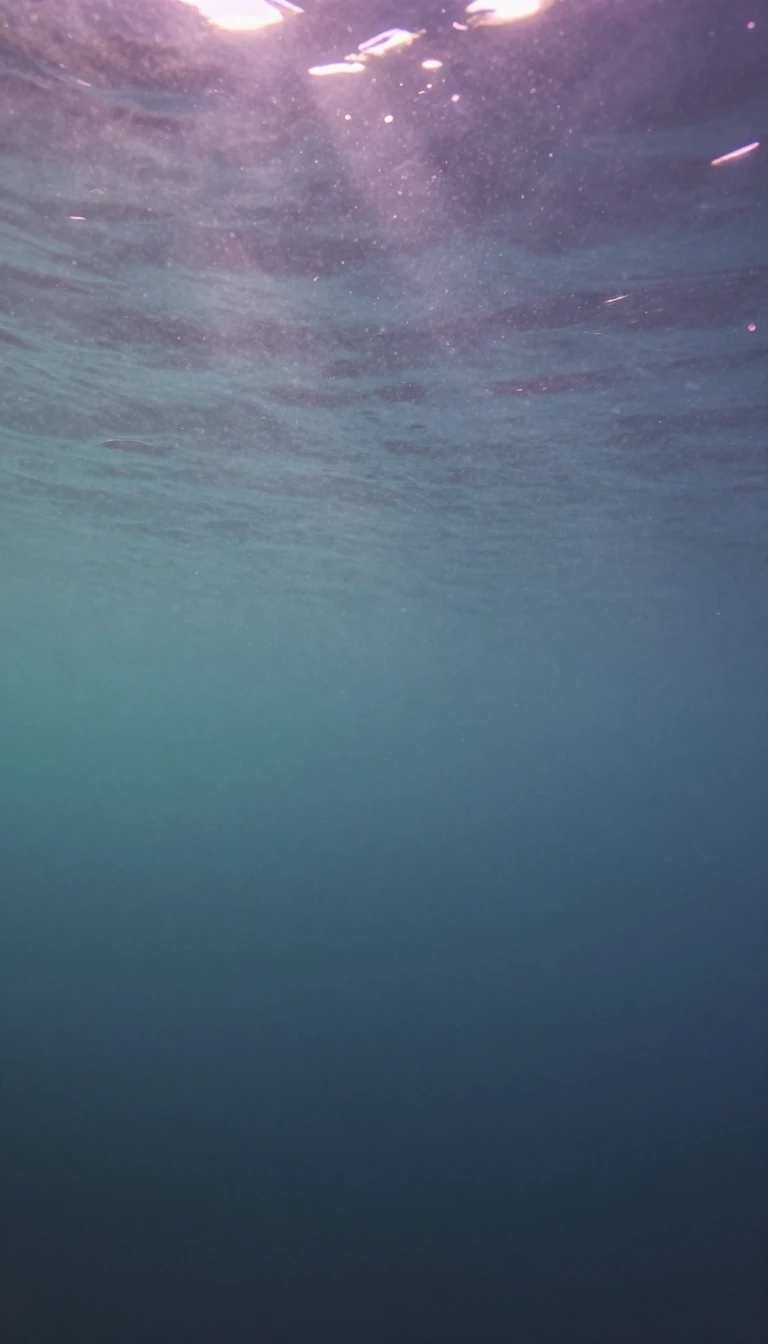
The lake's biodiversity is globally significant, characterized by extreme endemism. Over 200 species are unique to its waters, including specialized crustaceans, molluscs, and two distinct trout species. This biological richness is supported by the lake's oligotrophic state—low nutrient levels that keep the water exceptionally clear, with visibility reaching 22 meters. However, this delicate balance is increasingly threatened. Over the past century, phosphorus concentrations have risen 3.5-fold, and urban development has destroyed critical wetlands like the Struga Marsh, which was drained for agriculture in the 1940s and 1960s.
Today, the region faces a complex struggle between preservation and development. While UNESCO designated the North Macedonian side a World Heritage Site in 1979 and extended the status to Albania in 2019, the site remains under pressure from tourism, overfishing, and inadequate wastewater management. The Studenchishte Marsh, the last significant coastal wetland, has become a focal point for conservationists who argue it is vital for filtering pollutants. Despite its ancient origins and scientific value, the lake's future depends on modern interventions, such as reducing phosphorus inputs by 50% to maintain oxygen levels against the backdrop of global warming.
Opens the Intellect+ feed with this card first. Swipe up for the next one.
Sources
- Summary by Intellect · source: Lake Ohrid
- Also: Wikidata — Lake Ohrid · CC0
- Also: Wikidata — Lake Ohrid, Albania, provides an exceptional multi-proxy record of environmental changes during the last glacial–interglacial cycle · CC0
To cite this card, link to https://intellectplus.co.uk/app/places-natural-and-cultural-heritage-of-the-ohrid-region-albania.
How we source, check and correct cards: Editorial standards.
General information, not professional advice. Spotted an error? Flag the card or see corrections and complaints.
Intellect Plus is a visual educational discovery platform for exploring fascinating facts and ideas. Brain Food, Not Brain Rot. What is Intellect Plus?
Related
More in World Heritage Sites · More in Countries & Cities · Latest · A–Z · All topics
