How a Southern Italian Museum Unlocks the Secrets of Ancient Greek Cults and Culture
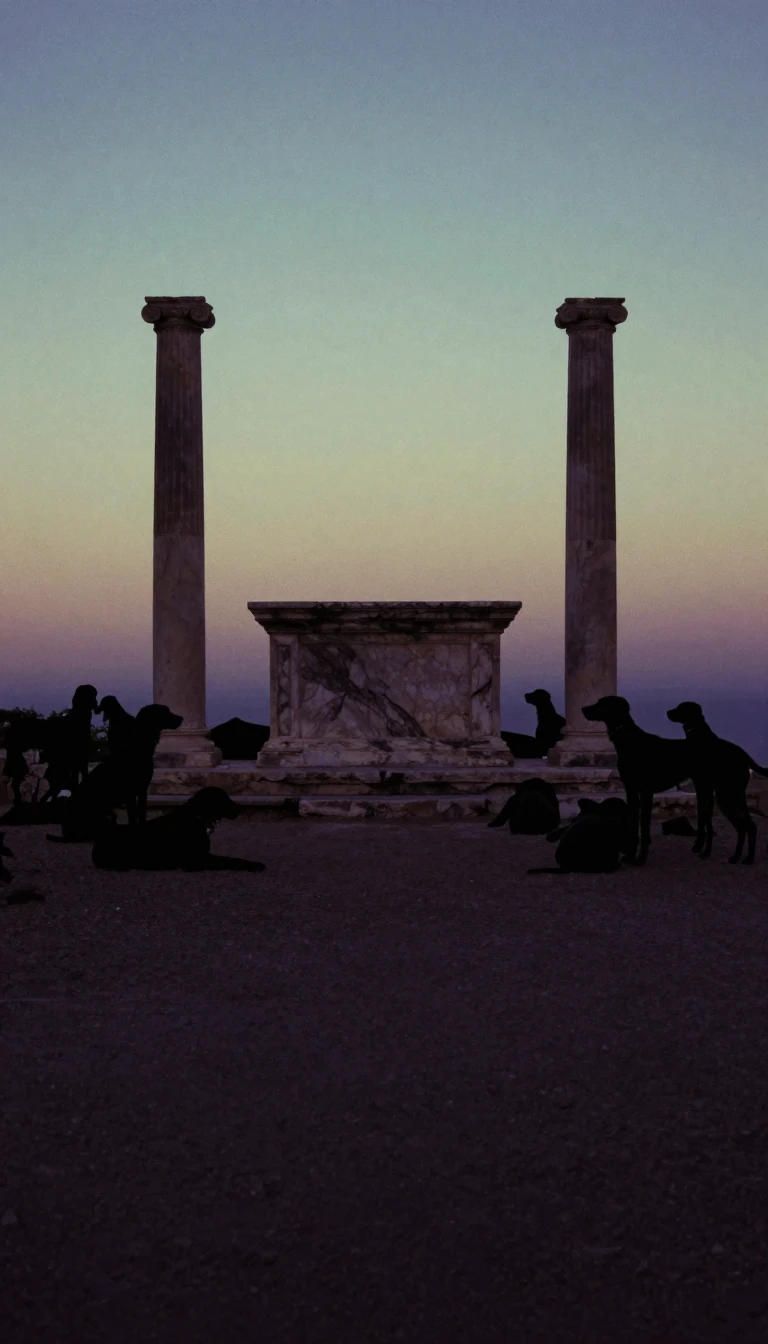
In short: Located in Capaccio-Paestum, the National Archaeological Museum of Paestum serves as a vital repository for artifacts from the ancient city of Poseidonia. Beyond housing exquisite red-figured pottery and Lucanian funerary art, the institution functions as a hub for multi-disciplinary research, connecting modern scientific methodology with the deep history of Achaean traditions.
The National Archaeological Museum of Paestum stands as a premier on-site institution in Italy, housing a vast collection of finds from the ancient Greek city of Poseidonia, later known as Paestum. Since gaining state autonomy in 2015 under Prime Ministerial Decree 171/2014, the museum has evolved into a center for both public engagement and rigorous scientific inquiry. Its collections span from the archaic metopes of the Heraion at Foce del Sele to thousands of artifacts recovered from necropoleis like Gaudo and Santa Venera, providing a comprehensive look at the city's development.
A significant portion of the museum's research focuses on the cultural and technological exchanges between Greek colonies and pre-Roman Italic societies. By collaborating with the Associazione Italiana di Archeometria, the museum promotes advanced scientific methodologies for analyzing archaeological finds. This includes the multi-disciplinary study of approximately five hundred painted slabs from Lucanian tombs, dating from the 5th to the 3rd century BC. These wall paintings offer rare insights into funerary art, while other exhibits, such as 3D-reconstructed musical instruments like the aulos, bridge the gap between ancient life and modern technology.
The museum also serves as a guardian of history, housing thousands of illegally excavated grave goods that are now used to investigate the illicit trade of archaeological finds. Beyond its research mission, the institution prioritizes accessibility and public value, featuring an autism-friendly program and conducting surveys to understand how visitors perceive cultural heritage management. With 441,037 visitors recorded in 2017, the museum remains a critical site for understanding the origins of the cult of Hera, which traces back to the Achaean populations of the Eastern Plain of Argolis, and the evolution of local pottery workshops that eventually surpassed imported Attic wares by the 4th century BC.
Opens the Intellect+ feed with this card first. Swipe up for the next one.
Sources
- Summary by Intellect · source: National Archaeological Museum of Paestum
To cite this card, link to https://intellectplus.co.uk/app/places-national-archaeological-museum-of-paestum.
How we source, check and correct cards: Editorial standards.
General information, not professional advice. Spotted an error? Flag the card or see corrections and complaints.
Intellect Plus is a visual educational discovery platform for exploring fascinating facts and ideas. Brain Food, Not Brain Rot. What is Intellect Plus?
Related
More in World Heritage Sites · More in Countries & Cities · Latest · A–Z · All topics
