How living moss and ancient water create the shifting landscape of Plitvice Lakes
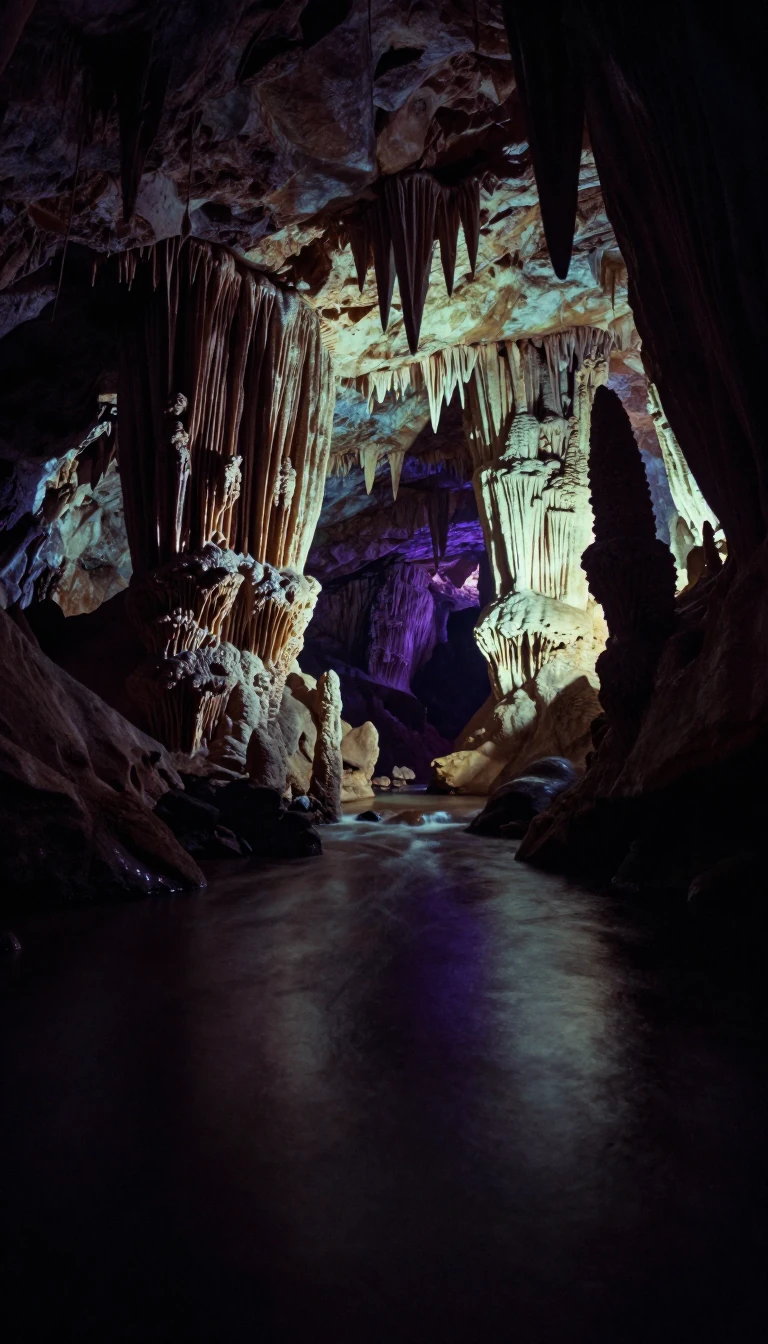
In short: Plitvice Lakes National Park is a geological masterpiece where water literally builds its own path. Through a delicate process of mineral sedimentation, the park’s famous travertine barriers are constantly growing, reshaping the lakes and waterfalls in a cycle that has been active for thousands of years.
Located in the mountainous karst region of central Croatia, Plitvice Lakes National Park was established in 1949 and earned UNESCO World Heritage status in 1979. The park spans 296.85 square kilometers, characterized by sixteen cascading lakes that range in color from azure to green and grey. These vibrant hues are not static; they shift based on sunlight angles and the concentration of minerals and organisms within the water.
The park's defining feature is its tufa, or travertine, barriers. These structures are formed by the precipitation of calcium carbonate from water that has become super-saturated with calcite after passing through limestone underground. Scientists estimate these formations began at the end of the last ice age, roughly 12,000 to 15,000 years ago. The barriers grow by up to 13 millimeters annually, a process that outpaces natural erosion. This dynamic environment is so sensitive that swimming has been strictly prohibited since 2006 to prevent damage from human influence.
Biological life plays a critical, if indirect, role in this architecture. Mosses and algae provide a substrate for sedimentation, becoming petrified as they are encrusted by travertine. This 'phytogeneous tufa' creates the complex, porous barriers that define the lakes' topography. The region's history is as layered as its geology, having once been a frontier zone known as the 'garden of the devil' before its transition into a protected site for recreation and conservation in the late 19th century.
Today, the park serves as a vital refuge for biodiversity, including 75 endemic plant species and large mammals like the European brown bear and grey wolf. The interplay between the Upper Lakes, which sit on harder dolomite, and the Lower Lakes, which rest on more permeable limestone, ensures that the water continues to carve and build the landscape, maintaining a fragile, living ecosystem that remains in a constant state of flux.
Opens the Intellect+ feed with this card first. Swipe up for the next one.
Sources
- Summary by Intellect · source: Plitvice Lakes National Park
- Also: Wikidata — Plitvice Lakes National Park · CC0
To cite this card, link to https://intellectplus.co.uk/app/places-plitvice-lakes-national-park.
How we source, check and correct cards: Editorial standards.
General information, not professional advice. Spotted an error? Flag the card or see corrections and complaints.
Intellect Plus is a visual educational discovery platform for exploring fascinating facts and ideas. Brain Food, Not Brain Rot. What is Intellect Plus?
Related
More in World Heritage Sites · More in Countries & Cities · Latest · A–Z · All topics
