North Texas is more than just a metroplex, it is a vast, evolving landscape
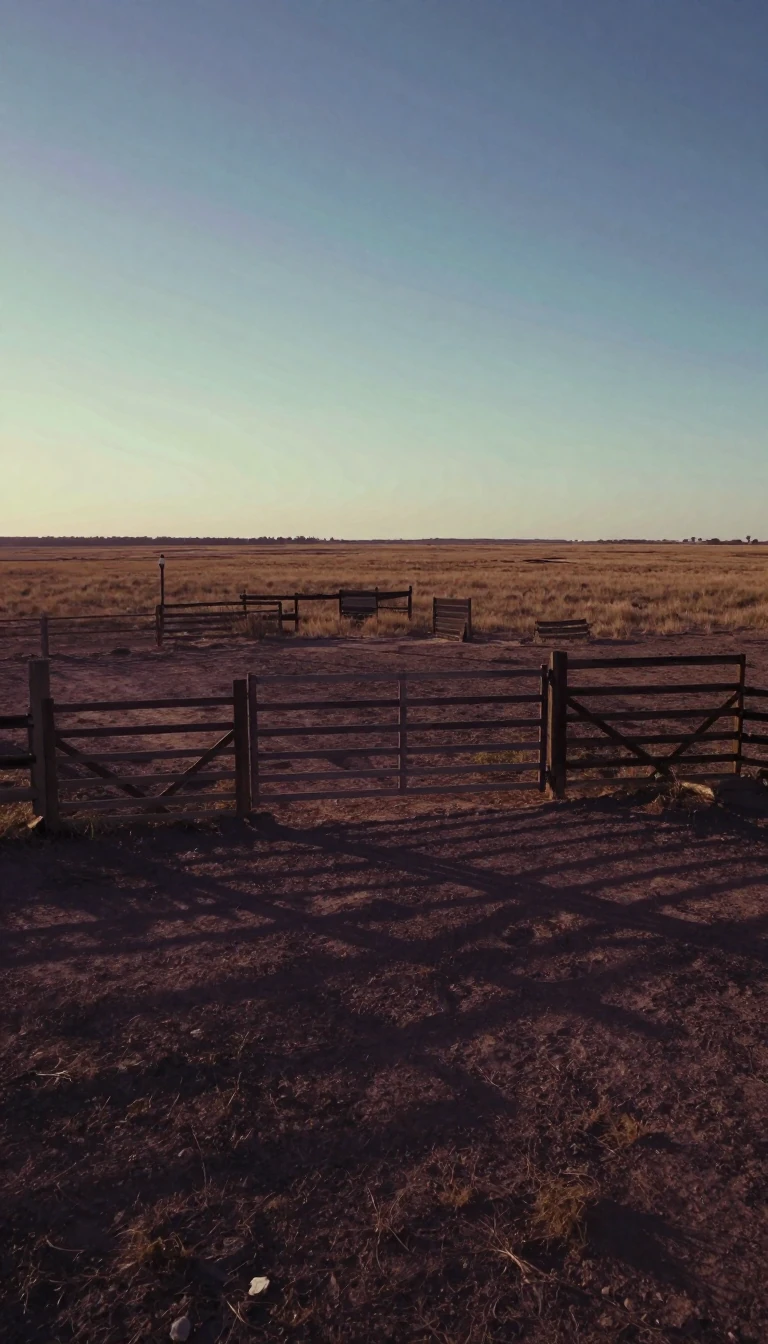
In short: While often conflated with the sprawling Dallas-Fort Worth urban center, North Texas encompasses a much broader territory. This region, defined by its subtropical climate and history of indigenous settlement, serves as a major economic and cultural hub, hosting professional sports dynasties and a rapidly expanding network of academic institutions.
Geographically, the region is situated south of the Oklahoma border, extending from the vicinity of Abilene in the west to the area surrounding Paris in the east, and reaching down toward Waco. Unlike the sparsely populated Panhandle, this area is anchored by the Dallas-Fort Worth metroplex, which stands as the largest metropolitan region in both Texas and the Southern United States. Beyond the urban core, the territory includes numerous rural counties that stretch along the Red River.
The climate of the region is notably complex, blending subtropical heat with continental temperature swings. Residents experience hot summers where daytime temperatures frequently climb above 100 degrees Fahrenheit, often punctuated by short-lived, intense thunderstorms. While winters are generally mild, the area is prone to sudden cold fronts known as northers, which can cause rapid temperature drops. The region also sits within the southern reaches of tornado alley, making severe spring and summer storms a recurring environmental factor.
Historically, the land was home to tribes including the Caddo, Tawakoni, Wichita, Kickapoo, and Comanche. Following European colonization and the subsequent shifts in sovereignty through Mexican and Texan independence, the region underwent significant demographic changes. Today, the area is a powerhouse for professional sports, having hosted major league teams since 1960. It also serves as a center for higher education, with institutions like the University of North Texas in Denton playing a critical role in aligning regional academic programs with the future workforce needs of the local economy.
The governance of the region is complex, with various county groupings often included in the informal definition of North Texas. The North Central Texas Council of Governments provides a structured framework for many of these jurisdictions. With a warm season lasting about 249 days, the area maintains a distinct rhythm of life, balancing its rapid urban development with the agricultural and rural heritage of its northern borderlands.
Opens the Intellect+ feed with this card first. Swipe up for the next one.
Sources
- Summary by Intellect · source: North Texas
- Also: Wikidata — University of North Texas · CC0
- Also: www.unt.edu — UNT Home | University of North Texas
- Also: Wikidata — North Texas · CC0
To cite this card, link to https://intellectplus.co.uk/app/places-north-texas.
How we source, check and correct cards: Editorial standards.
General information, not professional advice. Spotted an error? Flag the card or see corrections and complaints.
Intellect Plus is a visual educational discovery platform for exploring fascinating facts and ideas. Brain Food, Not Brain Rot. What is Intellect Plus?
Related
More in Bodies of water · More in Countries & Cities · Latest · A–Z · All topics
