Texas is so vast that its regions defy simple categorization or cultural unity
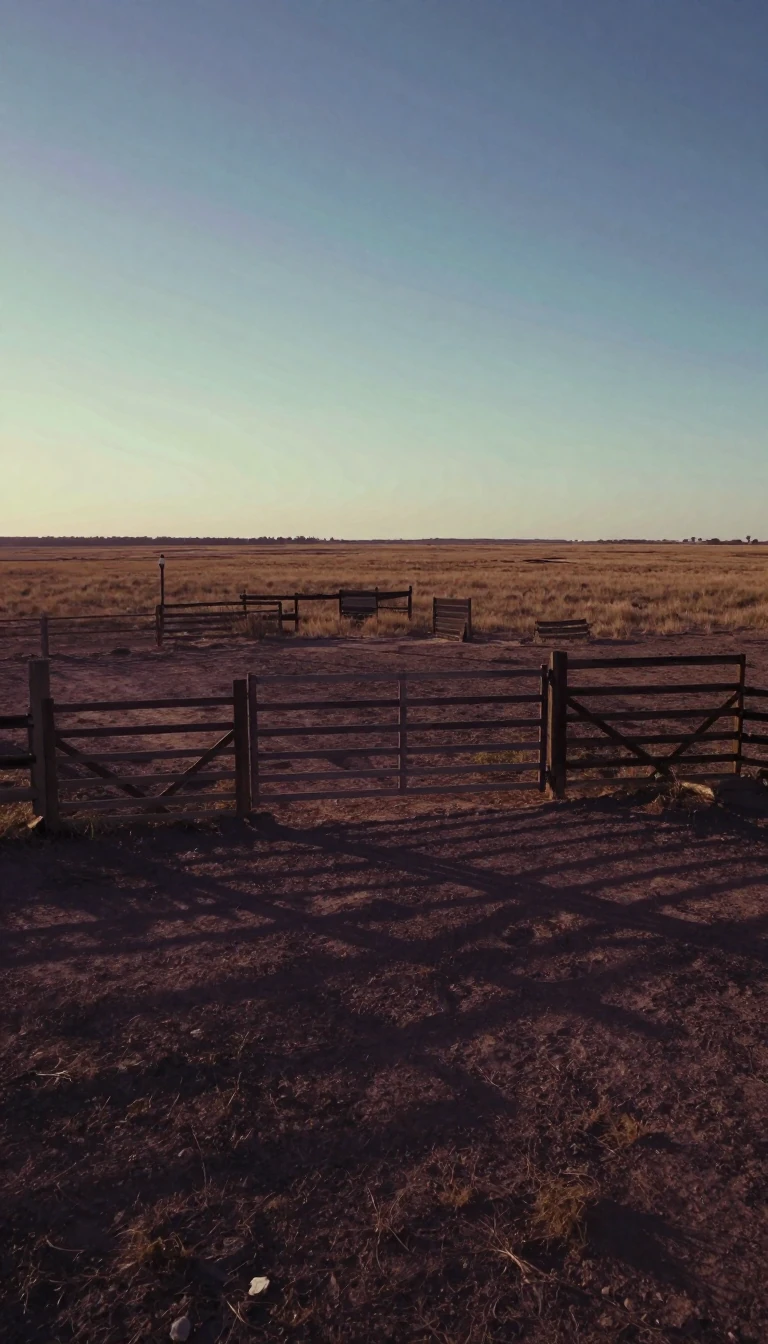
In short: Spanning nearly 1,000 miles in any direction, Texas is a land of extreme geographic contradictions. From the humid, marshy coastlines of the Gulf to the rugged, high-altitude peaks of the west, the state contains such diverse terrain that its own residents struggle to agree on where one region ends and another begins.
The sheer scale of Texas makes it a geographic outlier. As the second-largest U.S. state, it encompasses a staggering variety of environments, including ten distinct climate zones and fourteen unique soil types. This diversity is so profound that the state’s internal borders are often defined more by cultural identity than by physical geography. While the state is commonly split into East and West, these divisions are notoriously ambiguous, reflecting the tension between the state's ties to the American South and its western, ranching-focused heritage.
Physically, the state is a series of dramatic transitions. The fertile Coastal Plains, which account for roughly two-fifths of the land, rise from sea level to meet the Balcones Escarpment. Beyond this fault line, the landscape shifts into the Hill Country and the tablelands of the Edwards Plateau. Further west, the terrain becomes increasingly arid and rugged. The Caprock Escarpment serves as a major geological marker, separating the lower plains from the high-altitude, semi-arid High Plains, a region historically known for its legendary sandstorms and the vast, flat expanse of the Llano Estacado.
The westernmost reaches of the state offer the most dramatic relief. Here, the landscape is defined by the Guadalupe Mountains, which host the state's highest point at 8,749 feet. This region, including the Big Bend country, is a stark contrast to the humid, river-fed estuaries of the southeast. Because of this immense variation, Texas resists being treated as a single, uniform region. El Paso, for instance, is geographically and culturally closer to New Mexico than to the state capital of Austin, illustrating how the state’s massive footprint forces a fragmented, regionalized experience of life within its borders.
Opens the Intellect+ feed with this card first. Swipe up for the next one.
Sources
- Summary by Intellect · source: Texas | Map, Flag, Population, History, Geography, & Facts | Britannica
- Also: Geography of Texas
To cite this card, link to https://intellectplus.co.uk/app/culture-geography-of-texas.
How we source, check and correct cards: Editorial standards.
General information, not professional advice. Spotted an error? Flag the card or see corrections and complaints.
Intellect Plus is a visual educational discovery platform for exploring fascinating facts and ideas. Brain Food, Not Brain Rot. What is Intellect Plus?
Related
More in US culture · More in Cultures · Latest · A–Z · All topics
