How a medieval astronomer saved a Polish city from a Teutonic invasion
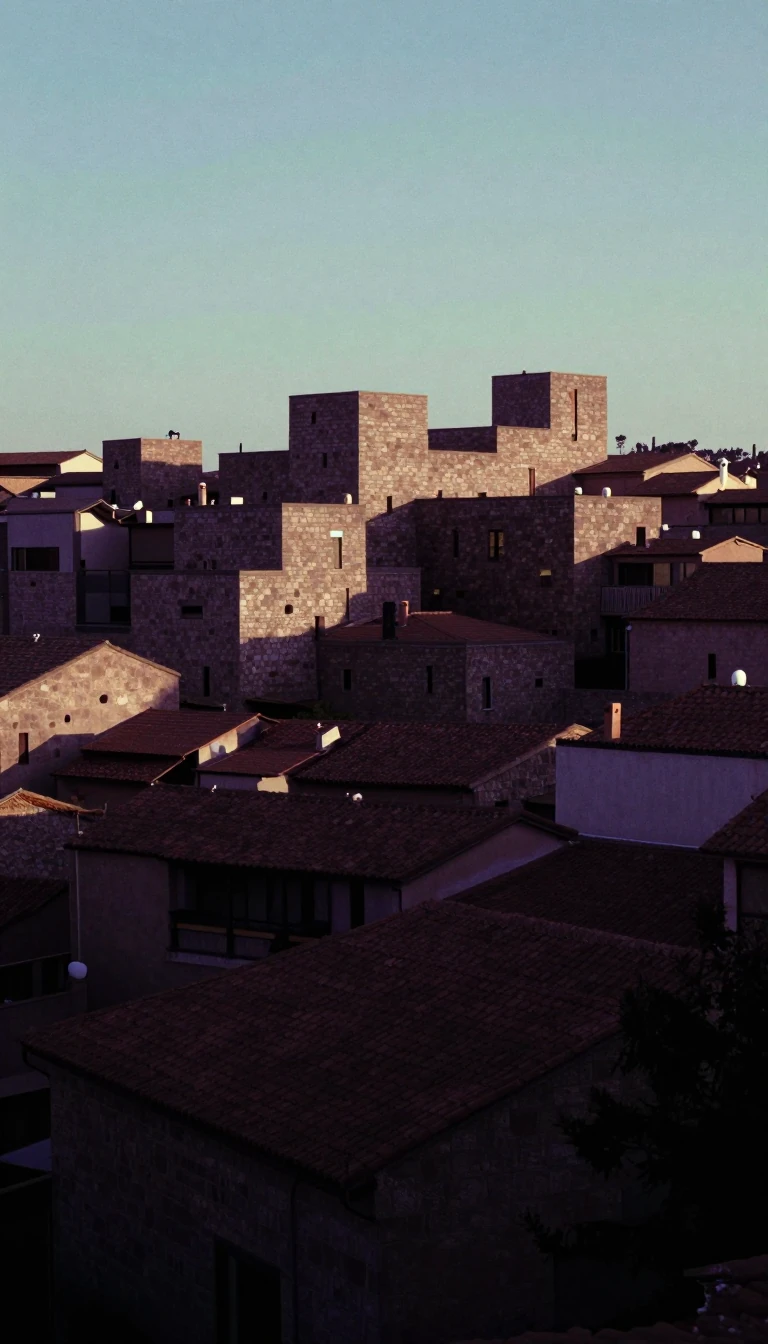
In short: Olsztyn is a city defined by its resilience, from surviving the bubonic plague to defending against Teutonic knights. Once the home of Nicolaus Copernicus, who managed its successful defense in 1521, this northern Polish capital has evolved from a frontier stronghold into a modern hub of culture and nature.
Founded in 1353 by the cathedral chapter of the Bishopric of Warmia, Olsztyn began as a strategic outpost against Baltic Prussians. Its medieval castle, completed in 1397, served as a vital bastion during the volatile Polish-Teutonic wars. The city’s history is deeply intertwined with Nicolaus Copernicus, who lived in the castle from 1516 to 1521. As an administrator, he not only managed the repopulation of the region with settlers from Mazovia but also commanded the city’s successful defense during the 1521 Teutonic invasion. An astronomical table he created remains a testament to his residence there.
The city’s trajectory shifted dramatically through centuries of conflict. It endured Swedish sieges in the 17th century, the devastation of the bubonic plague and cholera in 1710, and the political upheaval of the partitions of Poland. By 1772, it was incorporated into the Kingdom of Prussia, leading to decades of Germanisation policies. Despite this, Olsztyn remained a center of Polish identity, evidenced by the founding of the Gazeta Olsztyńska in 1886. The 20th century brought further hardship, including the horrors of World War II, during which the city saw mass arrests, the destruction of its Jewish community, and the eventual expulsion of its German population in 1945.
Today, Olsztyn serves as the capital of the Warmian-Masurian Voivodeship, a role it has held since 1999. It is a city of striking geographical beauty, situated in a region known as the 'Thousand Lakes,' with 15 lakes within its administrative boundaries and extensive municipal forests covering over 21% of its area. The castle, once a military stronghold, now houses the Museum of Warmia and Masuria, hosting cultural events that celebrate the city's complex heritage. From its origins as a 14th-century watchtower to its current status as a highly-ranked city for quality of life, Olsztyn stands as a testament to endurance and transformation.
Opens the Intellect+ feed with this card first. Swipe up for the next one.
Sources
- Summary by Intellect · source: Olsztyn
- Also: Wikidata — Olsztyn · CC0
- Also: Wikidata — Olsztyn · CC0
To cite this card, link to https://intellectplus.co.uk/app/places-olsztyn.
How we source, check and correct cards: Editorial standards.
General information, not professional advice. Spotted an error? Flag the card or see corrections and complaints.
Intellect Plus is a visual educational discovery platform for exploring fascinating facts and ideas. Brain Food, Not Brain Rot. What is Intellect Plus?
Related
More in Europe and Russia · More in Countries & Cities · Latest · A–Z · All topics
