The Oshima Peninsula is a mountainous gateway to the northernmost island of Japan
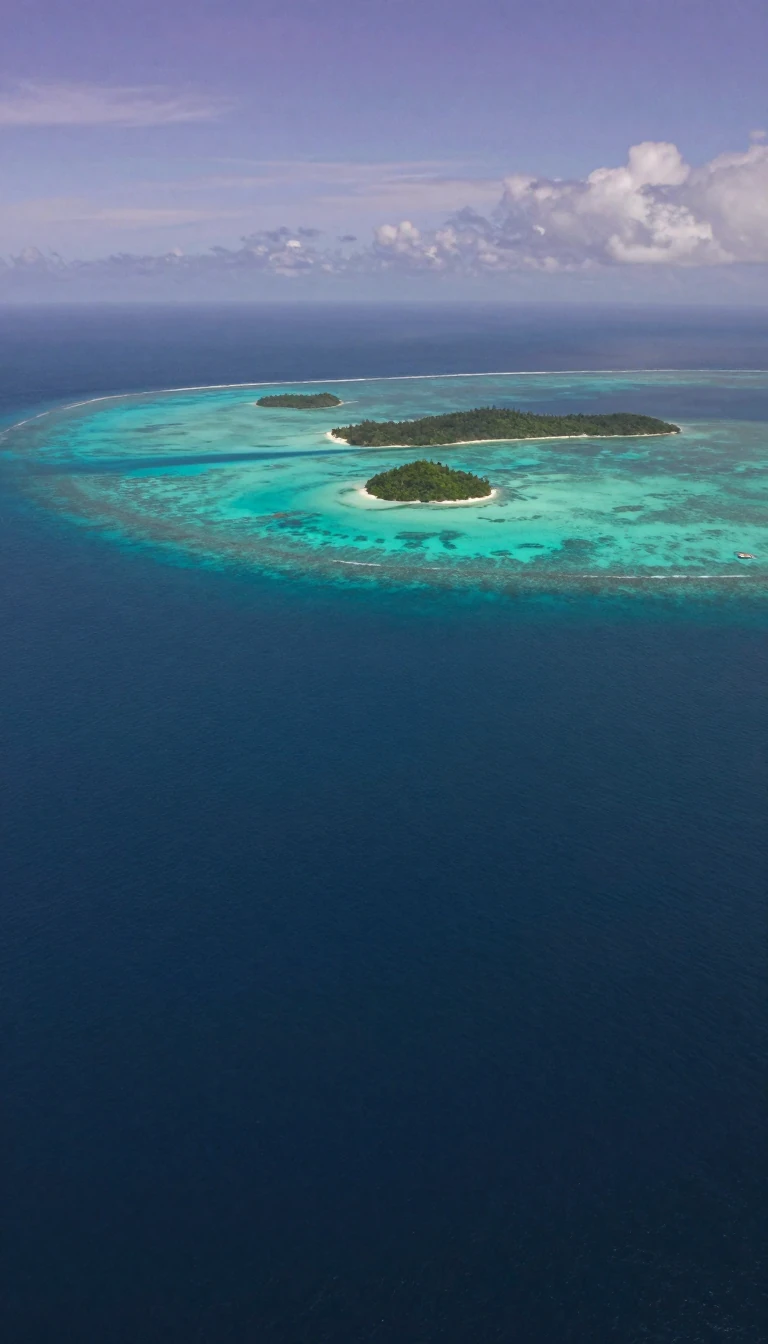
In short: Forming the southern tip of Hokkaido, the Oshima Peninsula is a land of active volcanoes, hot springs, and historic castles. Its geography is defined by a complex, mountainous terrain that forces human settlements into narrow coastal lowlands, creating a unique environment where nature and history collide in the far north.
Defining the boundaries of the Oshima Peninsula is a matter of geographical interpretation. A narrow definition connects Suttsu on the Sea of Japan to Oshamambe on Uchiura Bay, encompassing the Oshima and Hiyama subprefectures. A more expansive view draws a line from Ishikari Bay across the Ishikari Plain to the Yūfutsu District. Regardless of the boundary, the peninsula is physically separated from the rest of Hokkaido by the Kuromatsunai Depression, a region characterized by intensive agricultural activity that serves as a natural northern frontier.
The landscape is dominated by rugged mountains and active volcanic activity, including Mount E and Hokkaido Koma-ga-take. These geological features have gifted the region with numerous onsen hot springs, while the southern tip forks into the Matsumae and Kameda peninsulas. These peninsulas overlook the Tsugaru Strait, facing the Honshū island across the water. The area hosts only two cities, Hakodate and Hokuto, alongside a collection of smaller fishing and agricultural towns that rely on the coastal lowlands for survival.
The peninsula holds unique historical and ecological distinctions. It is home to Matsumae Castle, the only castle on Hokkaido and the northernmost in Japan. Its climate is generally humid continental, though the Matsumae coast enjoys a milder oceanic climate, reaching hardiness zone 8b. The region also supports an active population of Ussuri brown bears. These animals have historically caused significant damage to local crops and livestock, leading to a history of indiscriminate hunting that has persisted for over 120 years.
Beyond its natural and historical landmarks, such as the Ōnuma Quasi-National Park, the peninsula acts as a vital bridge between the northern island and the rest of Japan. Its complex terrain and specific climate zones demonstrate how geography dictates human settlement patterns, forcing communities to cluster along the coast while managing the challenges posed by both the volcanic landscape and the local wildlife.
Opens the Intellect+ feed with this card first. Swipe up for the next one.
Sources
- Summary by Intellect · source: Oshima Peninsula
- Also: Wikidata — Oshima Peninsula crossing road · CC0
- Also: Wikidata — Oshima Peninsula · CC0
To cite this card, link to https://intellectplus.co.uk/app/places-oshima-peninsula.
How we source, check and correct cards: Editorial standards.
General information, not professional advice. Spotted an error? Flag the card or see corrections and complaints.
Intellect Plus is a visual educational discovery platform for exploring fascinating facts and ideas. Brain Food, Not Brain Rot. What is Intellect Plus?
Related
More in Peninsulas · More in Countries & Cities · Latest · A–Z · All topics
