How a desert city became the spiritual and political heart of modern Iran
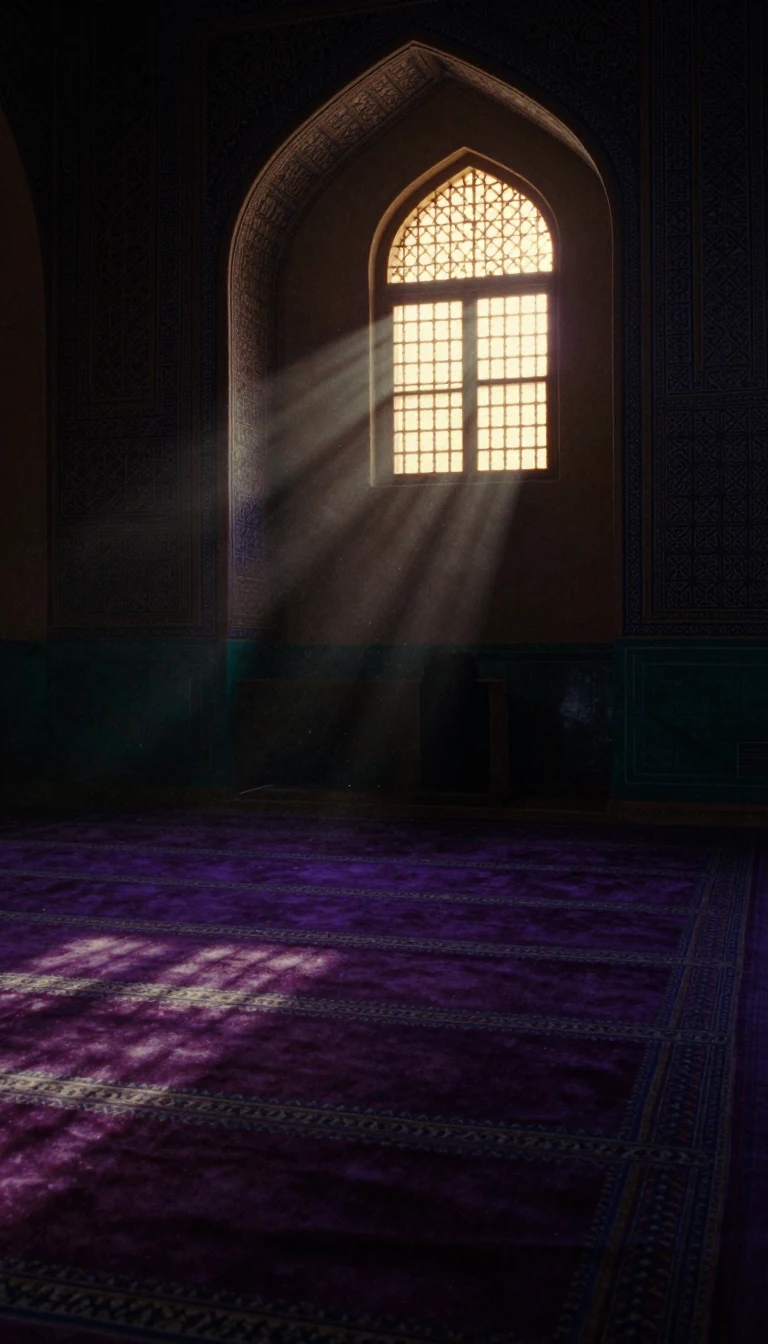
In short: Qom is far more than a provincial capital. Nestled beside the salt-crusted Dasht-e Kavir desert, this ancient settlement evolved from an early center of Shi’i Islam into the primary seat of the 1979 Islamic Revolution. Today, it remains a vital nexus of theological scholarship, industrial production, and national political influence.
Qom’s significance is rooted in its deep religious history. In 816, Fatimah, sister of the eighth Shi’ah imam, Ali al-Rida, was buried in the town, transforming it into a major pilgrimage site. By the 17th century, Safavid rulers had erected a golden-domed shrine over her tomb, cementing the city's status as a spiritual pivot. Today, Qom hosts the nation’s largest madrasah, where students specialize in Islamic law, philosophy, and theology. This religious infrastructure is supported by massive archives, such as the Mar'ashi Najafi Library, which holds over 500,000 handwritten texts.
Beyond its spiritual identity, Qom is a modern industrial hub. Its proximity to Tehran has driven significant economic growth, particularly in the textile, petrochemical, cement, and brick-making sectors. The city sits at a strategic crossroads, serving as a critical distribution point for petroleum products. A crude-oil pipeline from Tehran and a natural gas line from Bandar-e Anzali run through Qom toward the Abadan refinery. This industrial development accelerated after the 1956 discovery of oil fields at Sarajeh, which spurred further investment and infrastructure, including dams on the Rud-e Qom.
Politically, Qom has long served as a center of resistance and authority. It was the base from which Ayatollah Ruhollah Khomeini directed his opposition to the Pahlavi dynasty and later established his seat following the 1979 revolution. The province remains a politically conservative region, occasionally discussed as a potential alternative capital for Iran due to Tehran’s environmental and seismic risks. Its complex history—marked by cycles of destruction, revival, and strategic importance—continues to shape its role as a central pillar of the Iranian state, balancing ancient traditions with the demands of a modern, industrializing nation.
Opens the Intellect+ feed with this card first. Swipe up for the next one.
Sources
- Summary by Intellect · source: Qom | History, Map, Population, & Facts | Britannica
- Also: Qom province
To cite this card, link to https://intellectplus.co.uk/app/places-qom-province.
How we source, check and correct cards: Editorial standards.
General information, not professional advice. Spotted an error? Flag the card or see corrections and complaints.
Intellect Plus is a visual educational discovery platform for exploring fascinating facts and ideas. Brain Food, Not Brain Rot. What is Intellect Plus?
Related
More in Regions and country subdivisions · More in Countries & Cities · Latest · A–Z · All topics
