Qazvin: The ancient Iranian crossroads that birthed empires and secret societies
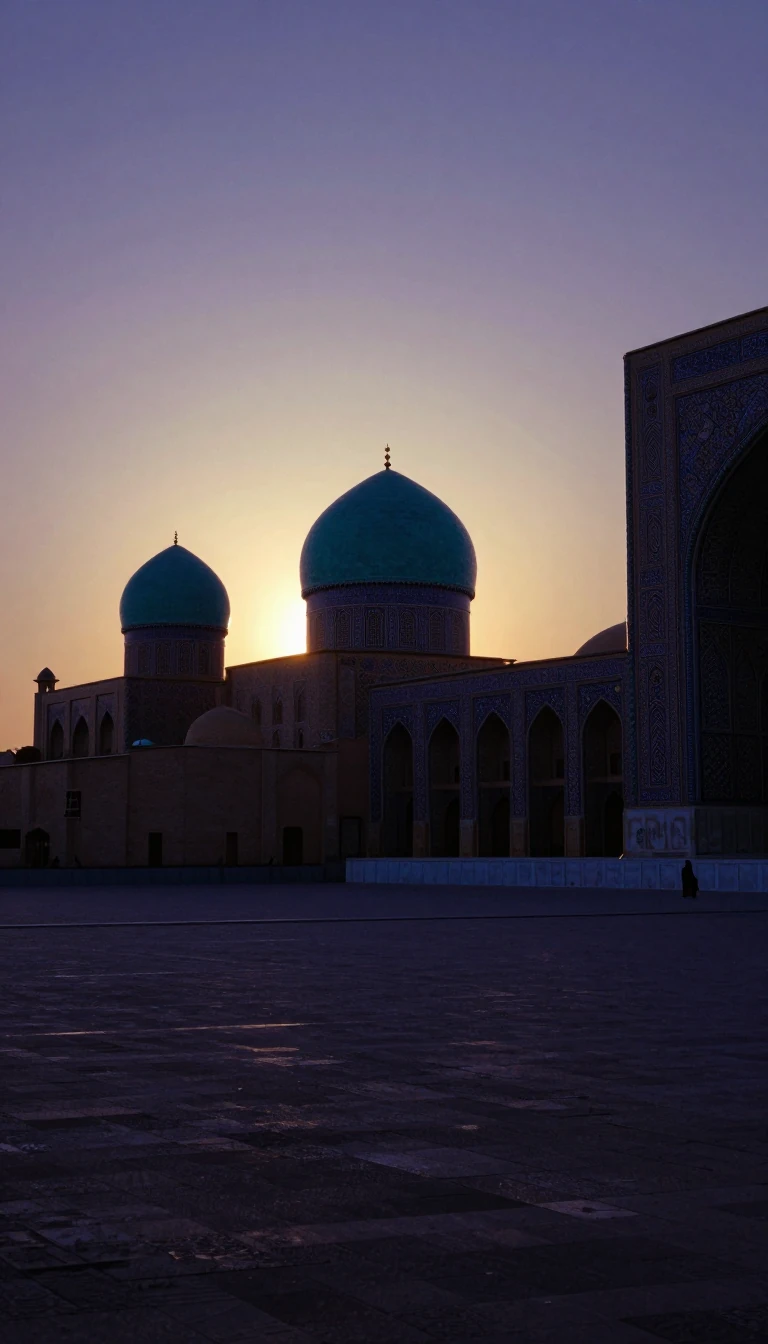
In short: Nestled in northwest Iran, Qazvin is far more than a provincial capital. With roots stretching back to 7000 BC, this strategic gateway has served as a seat of empire, a launchpad for coups, and the rugged home of the legendary Assassins. Discover the history hidden within its ancient plains.
Qazvin province, established in 1997 from parts of Tehran and Zanjan, occupies a vital geographic position. It serves as a bridge connecting the Persian Gulf, Isfahan, and Tehran to the Caspian seacoast and Asia Minor. This location has made it a historical hotbed for development, serving as a base for Muslim forces in the early Islamic era and later becoming the Safavid Empire's capital from 1548 to 1598. Its strategic importance persisted into the 20th century; the 1921 coup d'état that established the Pahlavi dynasty was launched from Qazvin by General Reza Khan and his Cossack brigade.
The region's history is remarkably deep, with archeological evidence of urban agricultural settlements dating to 7000 BC at sites like Tepe Zagheh and Tepe Ghabristan. Beyond its ancient foundations, the province is famously associated with the Alamut region, the operational base for Hasan-i Sabbah and his secret Ismaili order of Assassins. The landscape is defined by the central Alborz mountain chain, featuring peaks like Sialan at 4,175 meters, and it remains a cultural repository containing over 2000 archeological and architectural sites, including traditional water reservoirs known as ab anbars.
Today, Qazvin is a diverse province with a population of over 1.27 million as of the 2016 census. Its demographics are as varied as its history, with residents in the northern Alamut region speaking Mazandarani or Gilaki dialects, though some sources identify them as Tats. The province has also been a cradle for influential figures, including the linguist Ali Akbar Dehkhoda, the historian Hamdollah Mostowfi, and the 19th-century activist Táhirih. Despite its resilience, the region has faced tragedy, most notably the 1962 Buin Zahra earthquake, which claimed 12,225 lives.
Opens the Intellect+ feed with this card first. Swipe up for the next one.
Sources
- Summary by Intellect · source: Qazvin province
- Also: Wikidata — Qazvin Province · CC0
To cite this card, link to https://intellectplus.co.uk/app/places-qazvin-province.
How we source, check and correct cards: Editorial standards.
General information, not professional advice. Spotted an error? Flag the card or see corrections and complaints.
Intellect Plus is a visual educational discovery platform for exploring fascinating facts and ideas. Brain Food, Not Brain Rot. What is Intellect Plus?
Related
More in Regions and country subdivisions · More in Countries & Cities · Latest · A–Z · All topics
