Why this Japanese bay is a hotspot for both tropical life and nuclear fallout
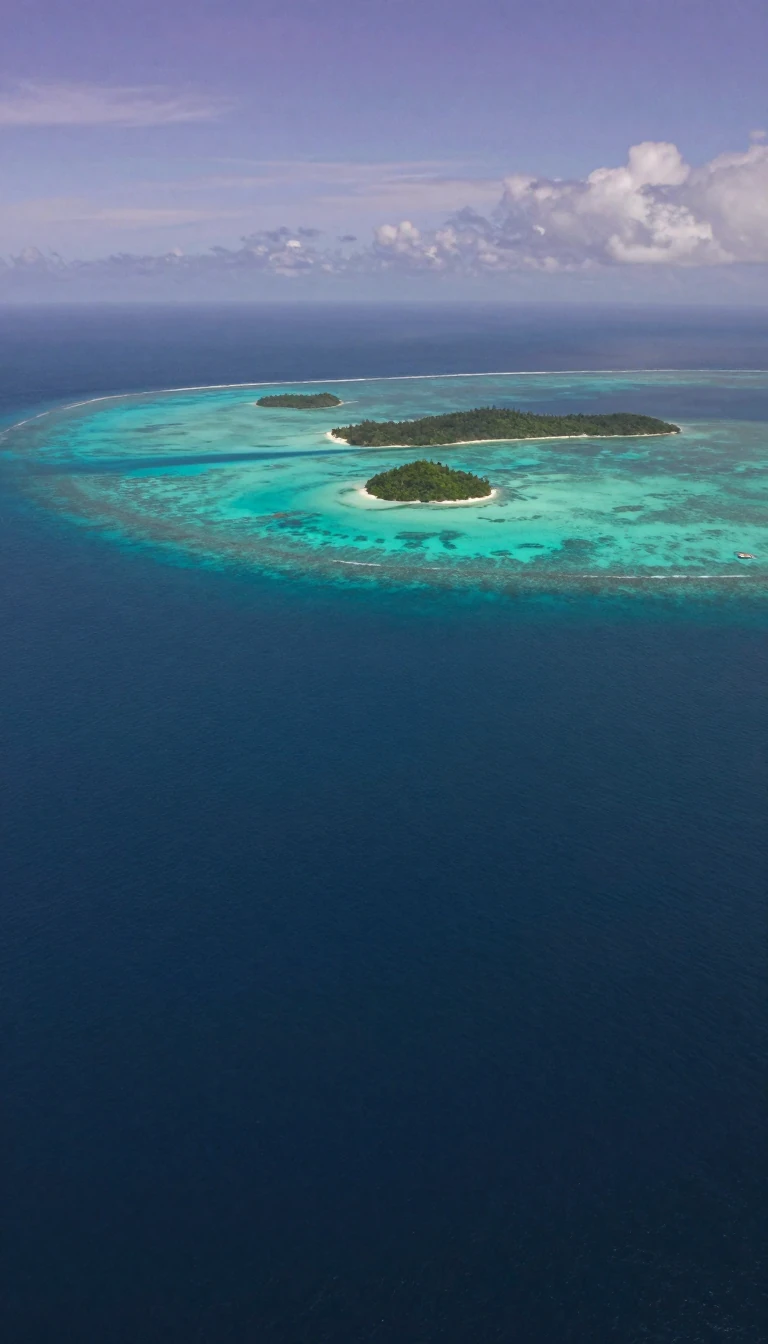
In short: Located just 40 kilometers from Tokyo, Sagami Bay is a geological and biological anomaly. It serves as a meeting point for opposing ocean currents, creating a unique environment that supports extreme biodiversity. Yet, beneath its mild climate and scenic Shonan coastline, the bay hides a history of seismic destruction and radioactive remnants.
Sagami Bay is defined by its dramatic geography, framed by the Miura and Izu Peninsulas in central Japan. Reaching depths of approximately 1500 meters, the bay acts as a massive marine laboratory. Its climate is moderated by a branch of the warm Kuroshio Current, which allows tropical marine species to thrive in waters that would otherwise be too cold. This warmth is balanced by periodic intrusions of the sub-arctic Oyashio Current, which brings in northern organisms. This convergence of currents makes the bay a primary research site for institutions like the University of Tokyo and the national agency dedicated to marine-earth science and technology.
The bay’s location also places it in a volatile seismic zone. In 1923, the epicenter of the Great Kanto earthquake was located deep beneath Izu Oshima Island, which marks the southern boundary of the bay. The resulting devastation hit Tokyo, Yokohama, and surrounding prefectures with catastrophic force. The bay’s bathymetry, specifically the shallow seabed to the north, has historically amplified the impact of natural disasters. For instance, in 1498, a massive tsunami funneled into the bay, destroying the Kotoku-in temple and its famous Great Buddha statue.
Beyond its natural history, the bay serves as a silent archive of human activity. In 2004, researchers analyzing soil samples from the seafloor discovered traces of radioactive contamination. These particles were linked to nuclear testing conducted at Bikini Atoll between 1946 and 1958. Today, the bay continues to be fed by the Sagami, Sakai, and Hikiji Rivers, maintaining its role as a vital, if complex, ecosystem. It remains a focal point for understanding how oceanic currents, tectonic activity, and global environmental shifts intersect in a single, densely populated region of Japan.
Opens the Intellect+ feed with this card first. Swipe up for the next one.
Sources
- Summary by Intellect · source: Sagami Bay
- Also: Wikidata — Sagami Bay · CC0
To cite this card, link to https://intellectplus.co.uk/app/places-sagami-bay.
How we source, check and correct cards: Editorial standards.
General information, not professional advice. Spotted an error? Flag the card or see corrections and complaints.
Intellect Plus is a visual educational discovery platform for exploring fascinating facts and ideas. Brain Food, Not Brain Rot. What is Intellect Plus?
Related
More in Bodies of water · More in Countries & Cities · Latest · A–Z · All topics
