Why Japan’s deepest bay became the real-life inspiration for a cinematic monster
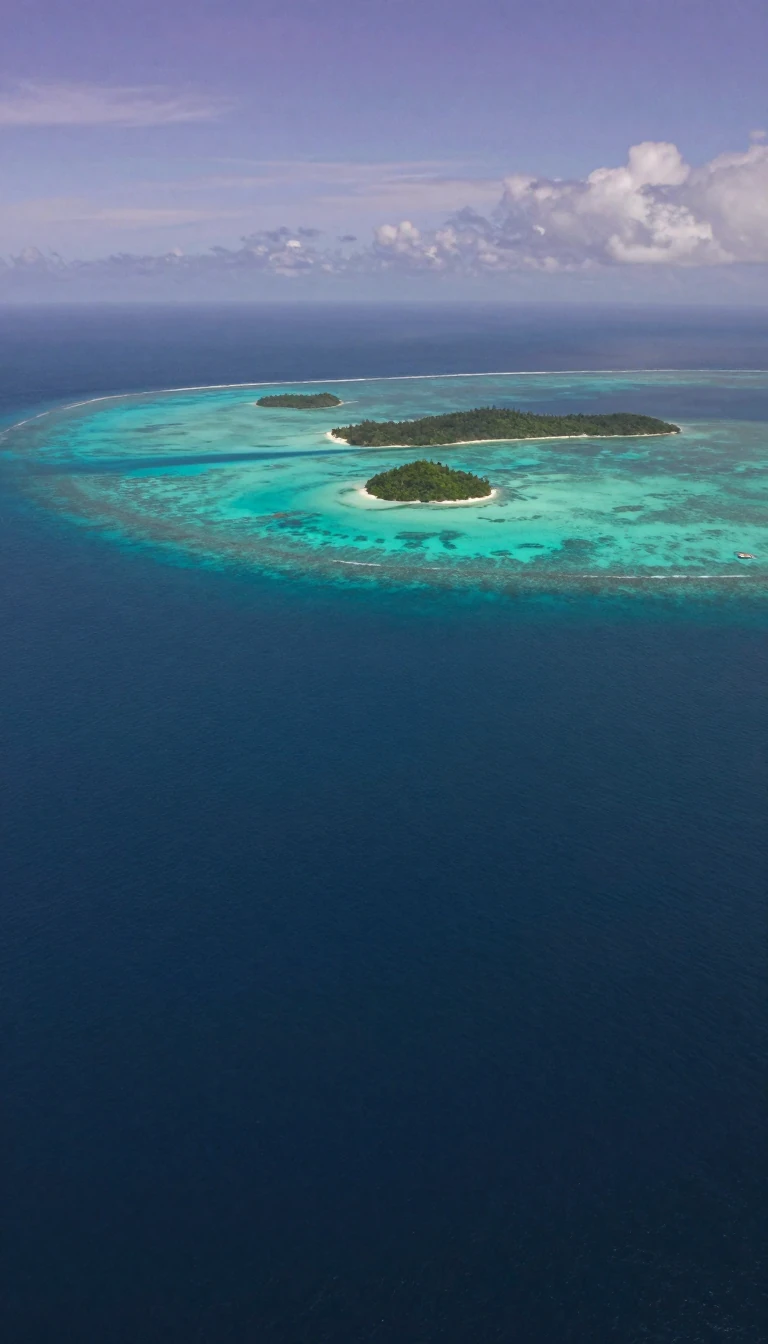
In short: Suruga Bay is a geological marvel, plunging to extreme depths thanks to the collision of two massive tectonic plates. Yet, this Pacific inlet is equally famous for a darker legacy: mid-century industrial pollution so severe it birthed a legendary monster on the silver screen and left lasting chemical scars.
Located on the Pacific coast of Honshu, Suruga Bay is defined by the Suruga Trough, which runs through its center. This trough is Japan’s deepest, formed by the tectonic subduction of the Philippine Sea Plate beneath the Eurasian Plate. This geological activity creates a unique environment where rivers like the Fuji, Oi, and Abe carve out deep submarine canyons, while an undersea plateau known as Senoumi provides a remarkably rich fishing ground.
The bay’s ecological health took a devastating turn during Japan’s post-war industrial boom. By 1970, paper mills in the city of Fuji were discharging 2.4 million short tons of wastewater daily—a volume matching the entire daily sewage output of Tokyo at the time. This sulphur-laden sludge became so dense it threatened to choke the local harbour, necessitating dredging operations that further decimated marine life. The situation was so dire that it inspired the 1971 film Godzilla vs. Hedorah, where the monster Hedorah—a name derived from the Japanese word for mud—feeds directly on the bay's heavy pollution.
Public outcry from local citizens and fishermen eventually forced government intervention, leading to stricter environmental regulations. However, the legacy of this industrial era persists. Scientific surveys conducted in the mid-2010s have revealed that local marine life remains heavily contaminated with PCBs and PBDEs. Despite these challenges, the bay remains a hub for research on deep-sea organisms and a popular destination for sailing and windsurfing, protected from the open Pacific by the Izu Peninsula. Today, travelers can reach this complex intersection of natural wonder and industrial history by car from Tokyo in two to five hours via the Tomei Expressway.
Opens the Intellect+ feed with this card first. Swipe up for the next one.
Sources
- Summary by Intellect · source: Suruga Bay
- Also: Wikidata — Suruga Bay · CC0
- Also: Wikidata — Suruga Bay · CC0
To cite this card, link to https://intellectplus.co.uk/app/places-suruga-bay.
How we source, check and correct cards: Editorial standards.
General information, not professional advice. Spotted an error? Flag the card or see corrections and complaints.
Intellect Plus is a visual educational discovery platform for exploring fascinating facts and ideas. Brain Food, Not Brain Rot. What is Intellect Plus?
Related
More in Bodies of water · More in Countries & Cities · Latest · A–Z · All topics
