Why Germany's smallest state capital is often labeled its most dangerous city
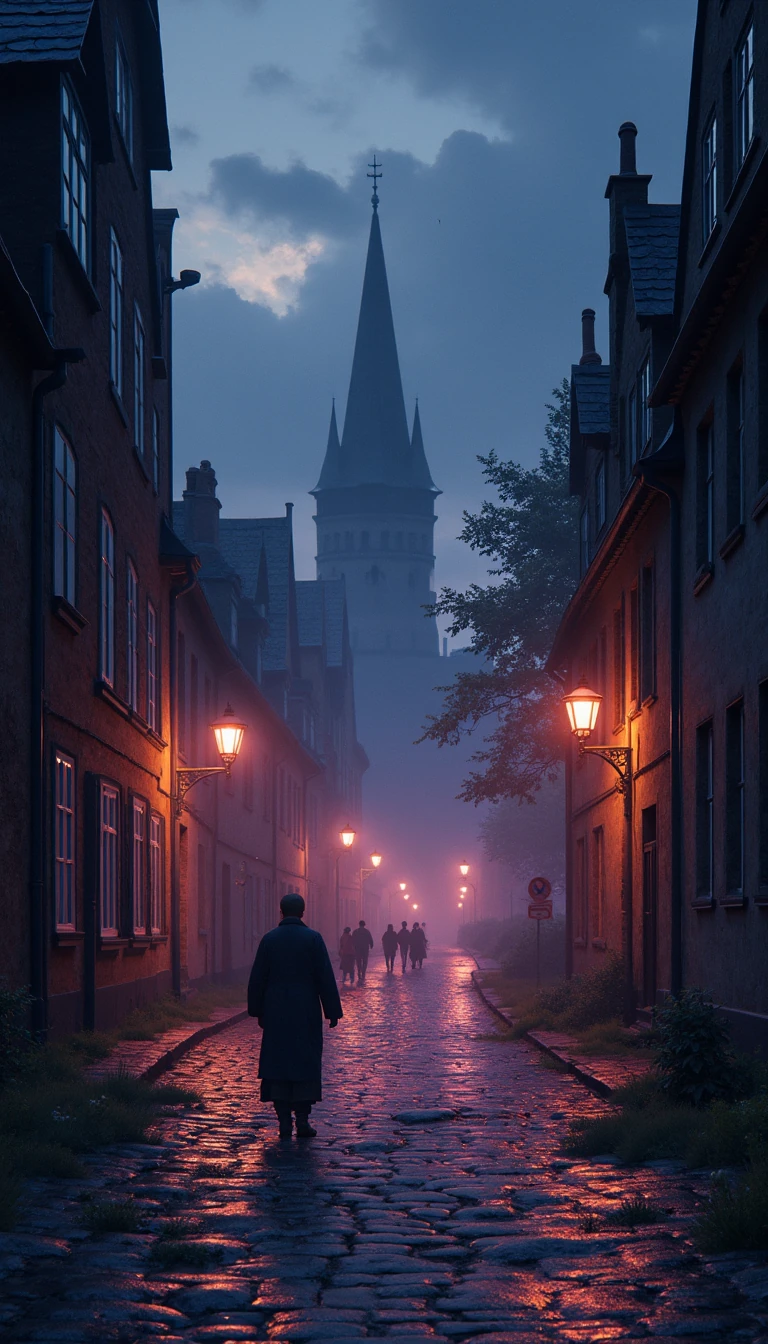
In short: Schwerin is a historic gem of lakes and palaces, yet it once topped German crime statistics. The secret lies not in violent unrest, but in how the city counts its offenses. By including minor infractions like fare evasion in its data, Schwerin presents a statistical anomaly that masks its true character.
Schwerin, the capital of Mecklenburg-Vorpommern, is a city defined by water. Situated on the southwestern shore of Lake Schwerin, it is surrounded by twelve lakes within its city limits. Its history stretches back to 1018, when it was first mentioned as Zuarina. In 1160, Henry the Lion granted the settlement city rights, establishing it as the oldest city in the region. For centuries, it served as the seat of the House of Mecklenburg, a dynasty with Slavic Obotrite roots, and today it remains the smallest state capital in Germany, with a population of 99,721 as of late 2025.
The city's architectural silhouette is dominated by the romantic Schwerin Palace, which sits on an island between Lake Schwerin and Castle Lake. Originally a ducal residence, it now houses the state parliament. Unlike many German cities, Schwerin escaped World War II with only minor damage, leaving its historic Altstadt and Schelfstadt quarters largely intact. Despite its cultural richness, including a state museum housing works by Rembrandt and Dürer, the city is unique for being the only state capital in Germany that lacks a full university.
Schwerin's reputation for high crime is a classic case of statistical distortion. A 2007 report ranked it as Germany's most dangerous city, citing over 17,000 offenses per 100,000 inhabitants. However, this figure is inflated by local administrative practices: Schwerin is the only city that includes social security fraud and riding public transit without a ticket in its crime reporting. When these specific administrative offenses are factored out, the city's safety profile aligns with other major German urban centers, proving that context is everything when interpreting municipal data.
Opens the Intellect+ feed with this card first. Swipe up for the next one.
Sources
- Summary by Intellect · source: Schwerin
- Also: Wikidata — Schwerin · CC0
- Also: Wikidata — Schwerin · CC0
To cite this card, link to https://intellectplus.co.uk/app/places-schwerin.
How we source, check and correct cards: Editorial standards.
General information, not professional advice. Spotted an error? Flag the card or see corrections and complaints.
Intellect Plus is a visual educational discovery platform for exploring fascinating facts and ideas. Brain Food, Not Brain Rot. What is Intellect Plus?
Related
More in Cities · More in Countries & Cities · Latest · A–Z · All topics
