How a desolate, storm-lashed rock became a sanctuary for early Christian monks
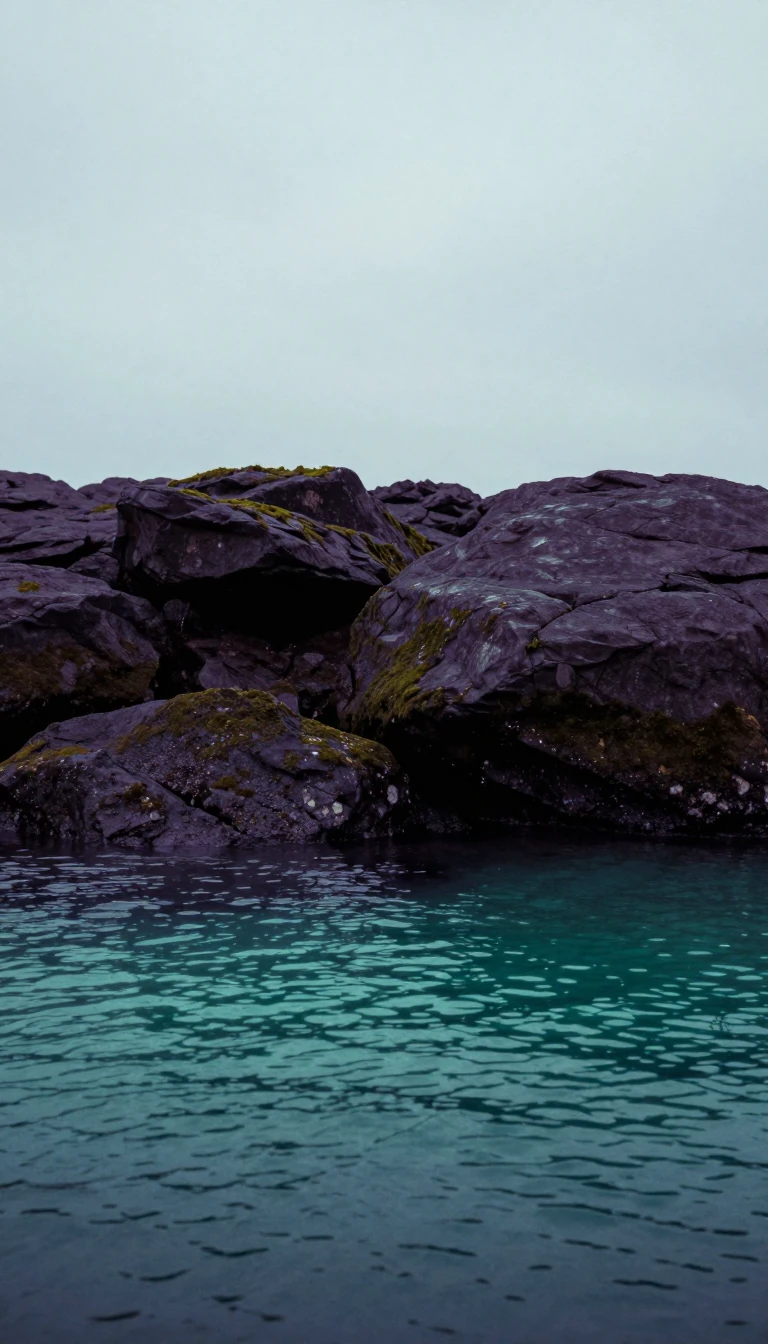
In short: Rising 218 meters out of the Atlantic, Skellig Michael is a jagged, twin-pinnacled crag off the coast of Ireland. Once home to a remote monastery founded between the 6th and 8th centuries, this inhospitable island remains a testament to extreme asceticism, preserved by its sheer, dangerous inaccessibility to the outside world.
Formed between 360 and 374 million years ago, Skellig Michael is a rugged pyramid of Old Red Sandstone and slate. Its dramatic topography, defined by two peaks and a central depression known as Christ’s Saddle, was shaped by ancient mountain-forming processes and subsequent erosion. The island’s isolation is profound; it lies over 11 kilometers from the Iveragh Peninsula, exposed to turbulent Atlantic swells that make landing possible only during the summer months.
The monastic settlement, perched on a terraced shelf 180 meters above sea level, represents an extraordinary feat of human endurance. Archaeologists have identified six dry-built, corbelled beehive cells, two oratories, and a medieval church. These structures, along with a network of steep stone steps carved into the rock, were constructed by monks who sought spiritual perfection through isolation. Historians suggest that the harsh environment was not a deterrent but a deliberate choice, reflecting a commitment to martyrdom and suffering for Christ’s sake.
The site’s preservation is largely due to its remoteness, which discouraged visitors for centuries. While the monastery was occupied until the 12th or 13th century, it later became a site for pilgrimage. In 1996, UNESCO designated the island a World Heritage Site, citing its exceptional universal value. Today, the Office of Public Works strictly limits access to 180 visitors per day to protect the fragile ruins and the island’s diverse ecology, which serves as a sanctuary for species like gannets, puffins, and grey seals.
The island’s history is layered with myth and reality. Early references appear in Irish annals, including legends of shipwrecks and Viking raids in the 9th century. Later, in the 19th century, the construction of lighthouses introduced modern infrastructure, yet the island retains an atmosphere described by Lord Dunraven in 1871 as one so solemn that it demands a spirit of penitence. It remains a rare, tangible link to the extreme monastic traditions that once flourished across North Africa and Europe.
Opens the Intellect+ feed with this card first. Swipe up for the next one.
Sources
- Summary by Intellect · source: Skellig Michael
- Also: Wikidata — Skellig Michael · CC0
- Also: Wikidata — Skellig Michael · CC0
To cite this card, link to https://intellectplus.co.uk/app/places-skellig-michael.
How we source, check and correct cards: Editorial standards.
General information, not professional advice. Spotted an error? Flag the card or see corrections and complaints.
Intellect Plus is a visual educational discovery platform for exploring fascinating facts and ideas. Brain Food, Not Brain Rot. What is Intellect Plus?
Related
More in World Heritage Sites · More in Countries & Cities · Latest · A–Z · All topics
