The Renaissance treasure of Cusco that rose from a bishop's unfinished dream
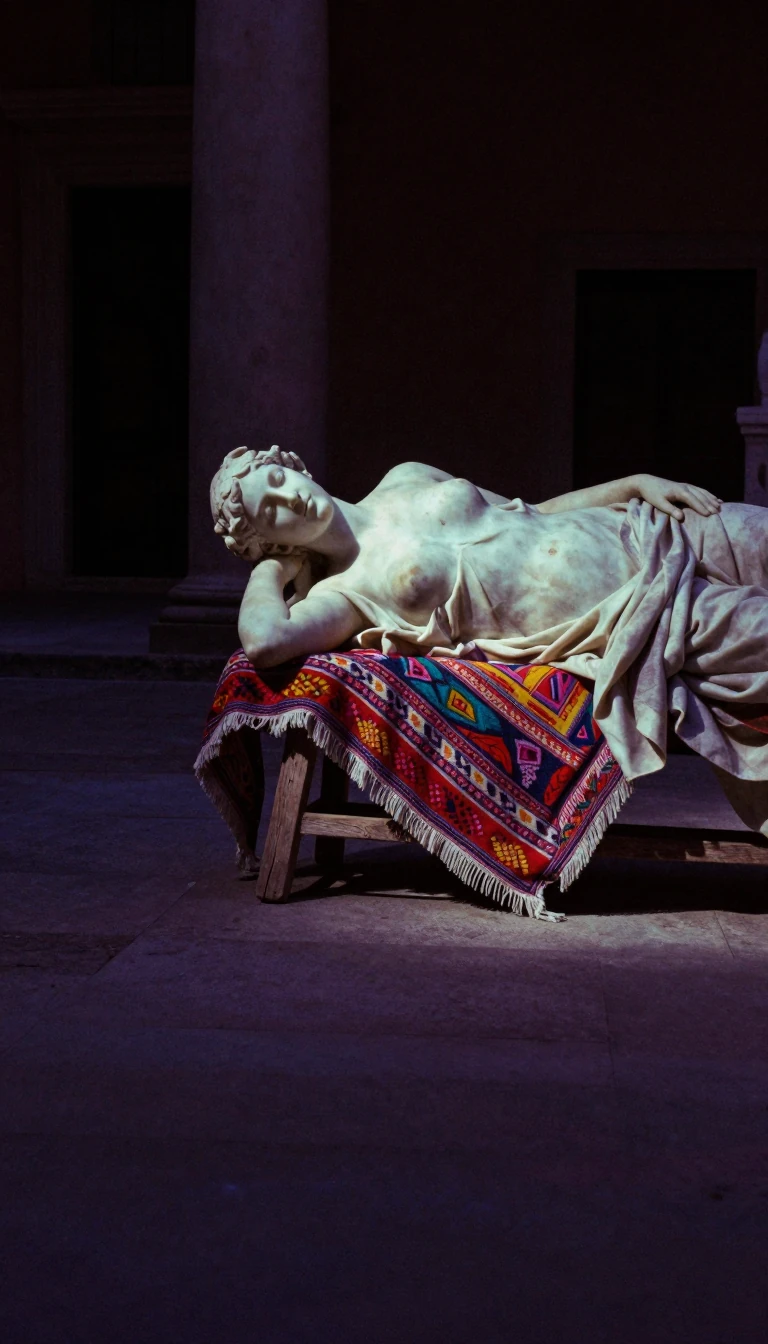
In short: Tucked within the historic heart of Cusco, the Templo de la Sagrada Familia stands as a testament to eighteenth-century devotion. Though its original founder never saw his vision realized, the church emerged through a series of dedicated efforts, eventually housing exquisite baroque artistry and silver treasures within its andesite walls.
The origins of the Templo de la Sagrada Familia, also known as the Templo de Jesús, María y José, trace back to 1723. Bishop Gabriel de Arregui, who lived from 1654 to 1724, began the project with the intention of honoring the Immaculate Conception. However, the bishop passed away before the structure could be finished. It was not until 1733 that two cathedral officials, Juan José de la Concepción Rivadeneira and Martín de Espinoza de los Monteros, resumed the work. They successfully completed the building in 1735, shifting the dedication to the Holy Family.
Architecturally, the church follows a Latin cross design, featuring a rectangular floor plan punctuated by small lateral niches. The construction relies heavily on andesite, while the interior walls are finished with polished stone and lime plaster. The roof is notable for its five vaults constructed from rectangular bricks. The facade is particularly striking, treated as a rectangular stonework canvas divided into three distinct sections, topped by a decorative border with circular ornaments and a cornice.
The interior is a repository of colonial-era craftsmanship. A gilded cedar baroque altarpiece, completed in 1737, serves as a focal point, complemented by a silver front and various liturgical items donated in 1745 by José Pardo de Figueroa, the Marquis of San Lorenzo de Valleumbroso. The artistic narrative is further enriched by paintings from the noble Indigenous artist Antonio Sinchi Roca. His works, including depictions of the Eucharist, Penance, and Baptism, likely belonged to a larger sacramental series. After remaining closed for approximately three decades, the temple underwent a significant restoration in 1996, supported by the Archbishopric of Cusco and the European Union, ensuring its preservation for future generations.
Opens the Intellect+ feed with this card first. Swipe up for the next one.
Sources
- Summary by Intellect · source: Templo de la Sagrada Familia, Cusco
To cite this card, link to https://intellectplus.co.uk/app/places-templo-de-la-sagrada-familia-cusco.
How we source, check and correct cards: Editorial standards.
General information, not professional advice. Spotted an error? Flag the card or see corrections and complaints.
Intellect Plus is a visual educational discovery platform for exploring fascinating facts and ideas. Brain Food, Not Brain Rot. What is Intellect Plus?
Related
More in World Heritage Sites · More in Countries & Cities · Latest · A–Z · All topics
