A massive Manhattan warehouse evolved from a freight terminal into a global tech hub.
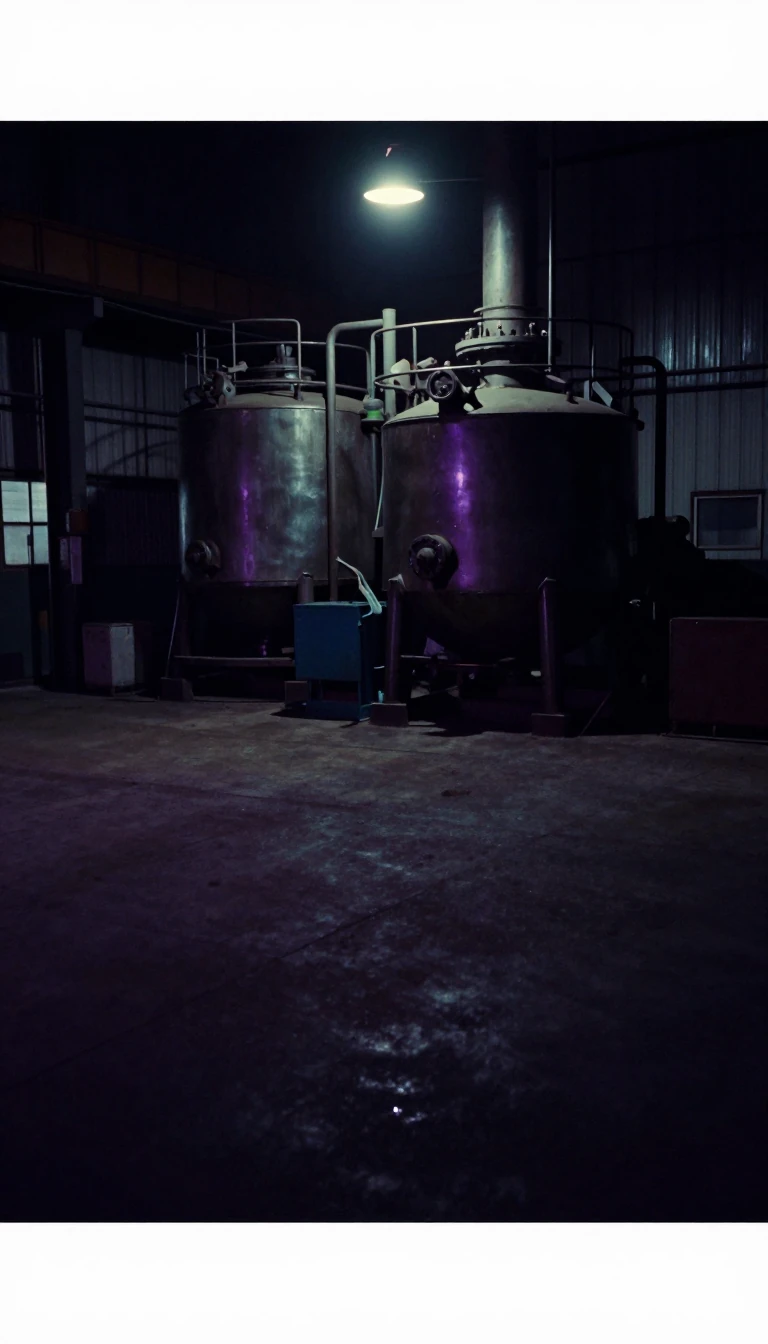
In short: Once a bustling industrial terminal designed to streamline Manhattan's chaotic freight traffic, 111 Eighth Avenue has transformed into the Google Building. This Art Deco giant, which once housed truck elevators and railroad offices, now serves as a central node for the internet, reshaping Chelsea's economy and the city's commercial real estate landscape.
Completed in 1932, 111 Eighth Avenue was originally conceived as Union Inland Terminal #1. The Port of New York Authority designed the 15-story structure to consolidate cargo from Hudson River piers, aiming to reduce street-level traffic congestion. Its unique industrial architecture featured massive truck elevators capable of lifting 40,000-pound loads directly to tenants on upper floors, a departure from standard ground-level delivery systems. By the 1930s, it was the largest building in New York City, serving as a vital hub for shipping firms and manufacturing.
As industrial activity in Manhattan declined, the building's purpose shifted. Following the Port Authority's departure in 1973, the property struggled with high vacancy rates during the city's economic downturn. However, its robust infrastructure—including high ceilings, heavy floor-load capacity, and immense electrical power—made it an ideal 'carrier hotel' for the burgeoning telecommunications and internet sectors in the late 1990s. This pivot attracted tech tenants, fundamentally altering the character of the surrounding Chelsea neighborhood and driving significant gentrification.
Google's 2010 acquisition of the building for $1.8 billion solidified its status as the company's East Coast headquarters. The purchase was a landmark deal that helped revive the local commercial real estate market following the Great Recession. Today, the building remains a critical network interconnection point, housing diverse tenants ranging from cancer treatment centers to advertising agencies. While some residents express concerns about the neighborhood's changing identity, the structure stands as a testament to how adaptive reuse can repurpose industrial relics for the digital age.
Opens the Intellect+ feed with this card first. Swipe up for the next one.
Sources
- Summary by Intellect · source: 111 Eighth Avenue
To cite this card, link to https://intellectplus.co.uk/app/science-111-eighth-avenue.
How we source, check and correct cards: Editorial standards.
General information, not professional advice. Spotted an error? Flag the card or see corrections and complaints.
Intellect Plus is a visual educational discovery platform for exploring fascinating facts and ideas. Brain Food, Not Brain Rot. What is Intellect Plus?
Related
More in Social scientists · More in Science · Latest · A–Z · All topics
