How industrial plants turn thin air into rocket fuel and life-saving medical oxygen
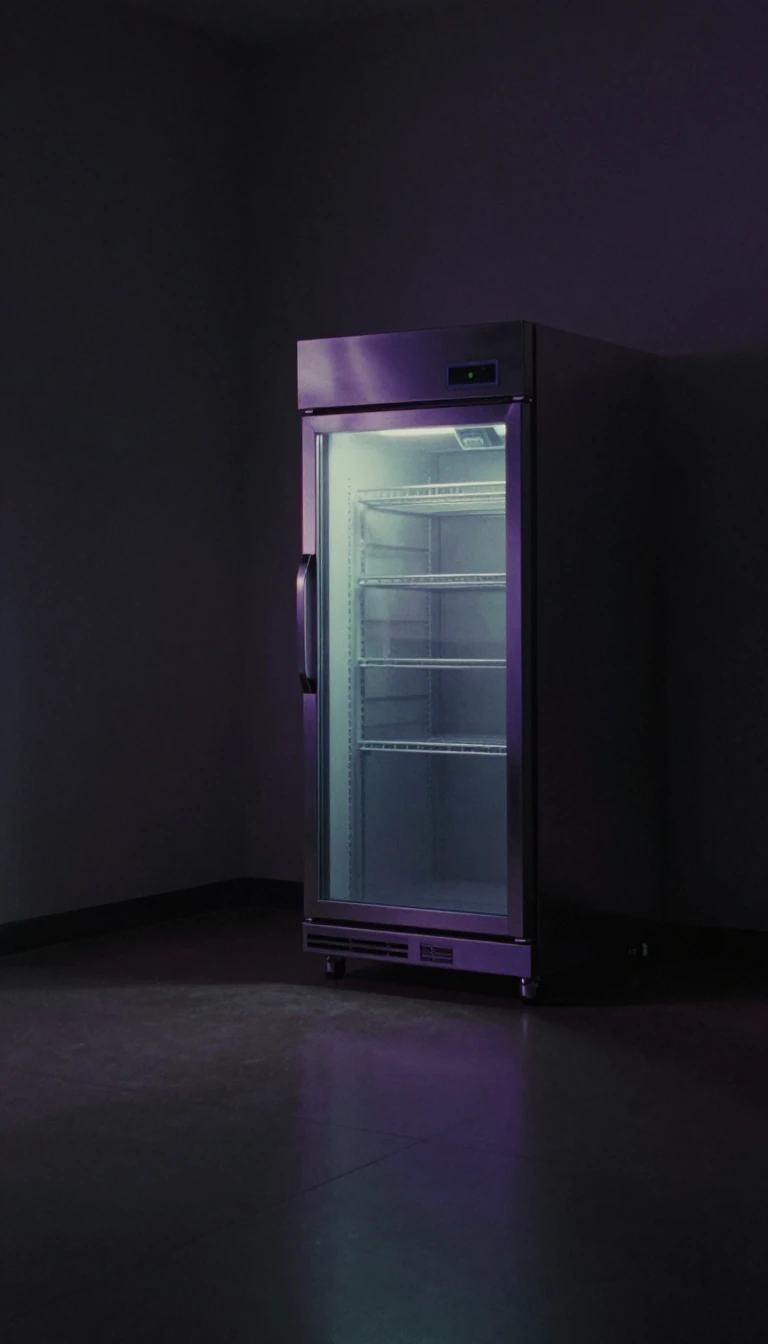
In short: To extract pure gases from the atmosphere, engineers do not just filter the air; they liquefy it. By cooling air to extreme cryogenic temperatures, they exploit the unique boiling points of nitrogen, oxygen, and argon to distill them into high-purity products that power everything from steel mills to spacecraft.
The foundation of modern air separation is cryogenic distillation, a method pioneered by Carl von Linde in 1895. While the process remained academic for years, it reached industrial maturity by 1902. Today, it remains the primary way to produce the ultra-high-purity gases required for semiconductor manufacturing and large-scale industrial projects like coal gasification, which can demand up to 3,000 tons of oxygen per day.
The mechanism relies on a delicate balance of thermodynamics. Incoming air is compressed to between 5 and 10 bar, filtered, and scrubbed of water vapor and carbon dioxide using molecular sieves to prevent freezing in the cryogenic equipment. The air is then cooled in plate-fin heat exchangers until it liquefies. By utilizing the Joule-Thomson effect and expansion turbines, the system maintains the extreme cold necessary to separate components in distillation columns based on their distinct boiling points—nitrogen at 77.4 K, argon at 87.3 K, and oxygen at 90.2 K.
While cryogenic plants are the gold standard for purity, they are energy-intensive. Alternatives exist for less demanding applications. Pressure swing adsorption (PSA) uses zeolites to trap specific gases at ambient temperatures, powering portable medical oxygen concentrators. Meanwhile, membrane technologies are evolving; ceramic membranes can produce high-purity oxygen but require extreme heat, while polymeric membranes are used to create oxygen-enriched air for high-altitude pilots or nitrogen-rich environments to prevent fuel tank explosions in aircraft.
The versatility of these separated gases is immense. Beyond the semiconductor industry, oxygen is a critical oxidizer for rocket engines and a staple in basic oxygen steelmaking, where it is consumed at a rate of nearly two tons per ton of steel. Nitrogen, conversely, is essential for the Haber process used to create ammonia, demonstrating how the simple act of separating atmospheric air underpins much of our modern industrial and technological landscape.
Opens the Intellect+ feed with this card first. Swipe up for the next one.
Sources
- Summary by Intellect · source: Air separation
To cite this card, link to https://intellectplus.co.uk/app/science-air-separation.
How we source, check and correct cards: Editorial standards.
General information, not professional advice. Spotted an error? Flag the card or see corrections and complaints.
Intellect Plus is a visual educational discovery platform for exploring fascinating facts and ideas. Brain Food, Not Brain Rot. What is Intellect Plus?
Related
More in Separation processes · More in Science · Latest · A–Z · All topics
