Endospores are nature's most durable cells, capable of surviving for millions of years.
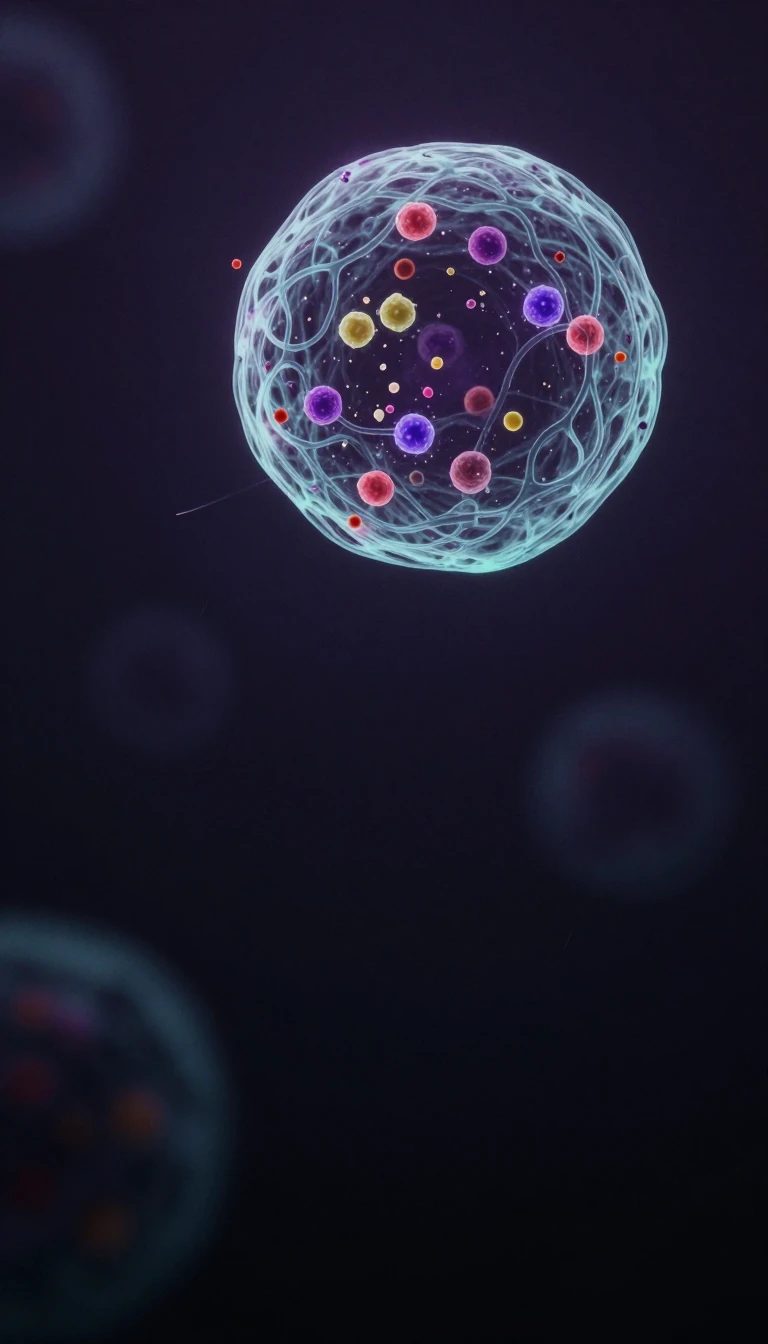
In short: Bacteria are not always fragile. When nutrients vanish, some species transform into endospores—a dormant, near-indestructible state. These structures can withstand boiling, radiation, and harsh chemicals, effectively hitting pause on life for centuries. They are not merely surviving; they are waiting for the perfect moment to wake up and thrive again.
Endospores are specialized, non-reproductive structures produced by certain bacteria, primarily within the phylum Bacillota. Unlike a seed, which is an offspring, an endospore is a stripped-down, cryptobiotic version of the bacterium itself. This transformation is typically triggered by environmental stress, such as nutrient starvation. During the roughly eight-hour process of sporulation, the cell replicates its DNA and partitions it within a protective, double-membrane wall. The resulting structure is dehydrated and encased in a robust protein coat, which acts as a sieve against toxic molecules.
The survival mechanism of an endospore relies on several sophisticated defenses. Its core contains calcium dipicolinate, which stabilizes DNA, and small acid-soluble proteins (SASPs) that shield genetic material from UV radiation and heat. The cortex, a layer of peptidoglycan, further contributes to heat resistance by osmotically dehydrating the core. These adaptations allow endospores to endure extreme conditions that would instantly kill vegetative cells, including desiccation, freezing, and common disinfectants. While they are resistant to boiling at 100 °C, they can be destroyed by autoclaving at higher temperatures or through prolonged exposure to ionizing radiation.
The longevity of these structures is remarkable. Scientists have reported viable spores in salt crystals estimated to be 25 million years old, and others have successfully germinated spores extracted from a fossilized bee trapped in amber of similar age. Because endospores are so difficult to eliminate, they are used as biological indicators to verify the effectiveness of sterilization processes in hospitals and laboratories. When conditions finally become favorable, the endospore undergoes activation, germination, and outgrowth, shedding its protective layers to return to a metabolically active, vegetative state capable of division.
Beyond their natural resilience, endospores have significant implications for human health and biotechnology. Pathogens like Clostridium tetani and Bacillus anthracis utilize this dormant stage to persist in the environment. Conversely, researchers use model organisms like Bacillus subtilis to study gene expression and cellular differentiation. While they can be weaponized, as seen in the 2001 anthrax attacks, their unique properties also offer potential for vaccine development and the surface display of recombinant proteins in biotechnology.
Opens the Intellect+ feed with this card first. Swipe up for the next one.
Sources
- Summary by Intellect · source: Endospore
To cite this card, link to https://intellectplus.co.uk/app/science-endospore.
How we source, check and correct cards: Editorial standards.
General information, not professional advice. Spotted an error? Flag the card or see corrections and complaints.
Intellect Plus is a visual educational discovery platform for exploring fascinating facts and ideas. Brain Food, Not Brain Rot. What is Intellect Plus?
Related
More in Cell biology · More in Science · Latest · A–Z · All topics
