Exocytosis is the cellular mechanism for exporting molecules and expanding the plasma membrane
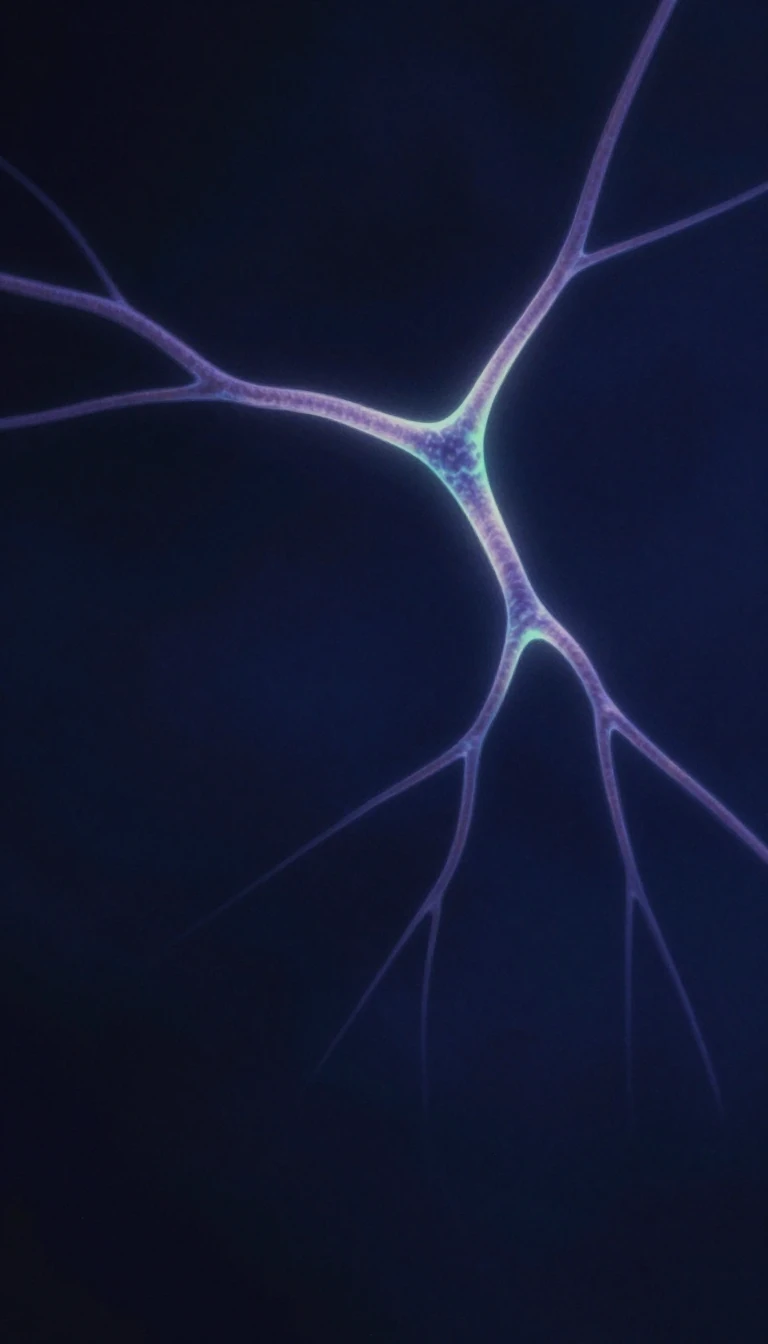
In short: Cells are constantly moving large, polar molecules across their membranes, a feat impossible through passive diffusion. To achieve this, they use exocytosis, an energy-intensive process of bulk transport. By fusing secretory vesicles with specialized membrane portals, cells release vital signaling molecules and integrate new proteins into their outer boundaries.
Exocytosis is a fundamental active transport process, first proposed by De Duve in 1963, that allows cells to move large, water-soluble molecules out of the cytoplasm. This mechanism relies on porosomes—permanent, cup-shaped lipoprotein structures embedded in the plasma membrane. Secretory vesicles travel to these sites, dock, and transiently fuse to release their contents into the extracellular environment. This process is not merely about waste disposal; it is essential for intercellular communication, including hormone secretion and synaptic transmission.
There are two primary forms of exocytosis in eukaryotes. Regulated, or non-constitutive, exocytosis is triggered by an increase in intracellular calcium and requires specific molecular machinery, including SNARE proteins like syntaxin-1, SNAP25, and VAMP2. Synaptotagmin typically acts as the calcium sensor in animals, though other proteins like EF-hand or C2 domain-containing proteins may serve this role in other organisms. In contrast, constitutive exocytosis is a continuous, non-triggered process performed by all cells to deliver membrane proteins and extracellular matrix components. While the machinery for regulated secretion is well-studied, the processes driving constitutive fusion remain less understood, though complexes like ELKS and Exocyst are implicated.
Beyond eukaryotes, research has identified vesicular exocytosis in gram-negative bacteria, where periplasmic material is pinched off as outer membrane vesicles to influence the surrounding environment. Regardless of the cell type, the fusion of a vesicle with the plasma membrane serves three critical functions: it releases signaling molecules or toxins, incorporates new proteins into the cell surface, and increases the total surface area of the plasma membrane. Because these processes are highly energy-demanding, they rely on mitochondria to fuel the complex molecular rearrangements required for successful transport and membrane recycling.
Opens the Intellect+ feed with this card first. Swipe up for the next one.
Sources
- Summary by Intellect · source: Exocytosis
To cite this card, link to https://intellectplus.co.uk/app/science-exocytosis.
How we source, check and correct cards: Editorial standards.
General information, not professional advice. Spotted an error? Flag the card or see corrections and complaints.
Intellect Plus is a visual educational discovery platform for exploring fascinating facts and ideas. Brain Food, Not Brain Rot. What is Intellect Plus?
Related
More in Cell biology · More in Science · Latest · A–Z · All topics
