Your cells are a bustling, interconnected factory of membranes, vesicles, and specialized compartments.
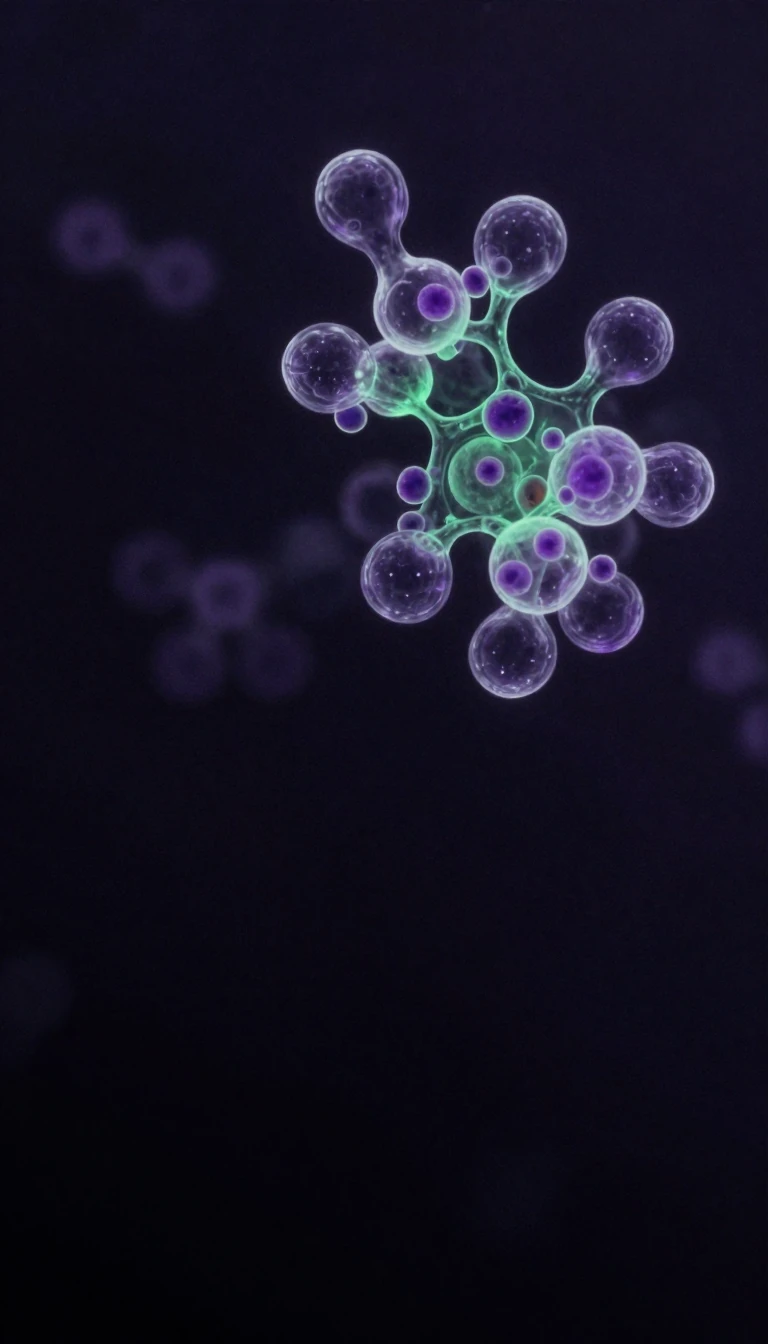
In short: The endomembrane system is the cellular equivalent of a global logistics network. It uses a sophisticated array of lipid-based compartments to synthesize, package, and ship proteins and lipids across the cell. This continuous, dynamic system is essential for everything from detoxification to maintaining the structural integrity of life itself.
At the heart of the eukaryotic cell lies the endomembrane system, a functional unit of interconnected membranes including the nuclear envelope, endoplasmic reticulum (ER), Golgi apparatus, lysosomes, and vesicles. Rather than acting as isolated entities, these components exchange material through direct contact or via transport vesicles. This system accounts for over half of the total membrane in eukaryotic cells, with the ER serving as a central hub for the synthesis of transmembrane proteins and lipids.
The system operates with remarkable precision. The ER, an extension of the nuclear envelope, is divided into rough and smooth regions. The rough ER, studded with ribosomes, handles protein synthesis and folding, while the smooth ER manages lipid production, carbohydrate metabolism, and detoxification—such as the cytochrome P450-mediated oxidation of drugs. Once synthesized, these products are sorted and tagged for their final destination. The Golgi apparatus acts as the central shipping center, modifying proteins and carbohydrates before budding them off into specialized vesicles for delivery.
The origin of this complex architecture remains a subject of intense study. While traditional models suggested an 'outside-in' formation through simple membrane infolding, the currently favored 'inside-out' hypothesis proposes that the system evolved from outer membrane vesicles secreted by ancestral mitochondria. These vesicles were captured by the blebs of an asgardarchaeon host, eventually fusing to form the intricate network we observe today. This model elegantly explains the deep, ongoing functional connections between mitochondria and other cellular compartments.
Beyond mere transport, the system maintains cellular homeostasis. Lysosomes utilize acidic enzymes to recycle obsolete organelles through autophagy, while plant vacuoles regulate turgor pressure and store nutrients. Even the cell membrane, a fluid mosaic of lipids and proteins, acts as a selective gatekeeper. Together, these components ensure that the cell remains a highly organized, responsive environment capable of adapting to metabolic demands and external stressors.
Opens the Intellect+ feed with this card first. Swipe up for the next one.
Sources
- Summary by Intellect · source: Endomembrane system
To cite this card, link to https://intellectplus.co.uk/app/science-endomembrane-system.
How we source, check and correct cards: Editorial standards.
General information, not professional advice. Spotted an error? Flag the card or see corrections and complaints.
Intellect Plus is a visual educational discovery platform for exploring fascinating facts and ideas. Brain Food, Not Brain Rot. What is Intellect Plus?
Related
More in Cell biology · More in Science · Latest · A–Z · All topics
