Cells constantly swallow their own surface to bring in essential nutrients and molecules
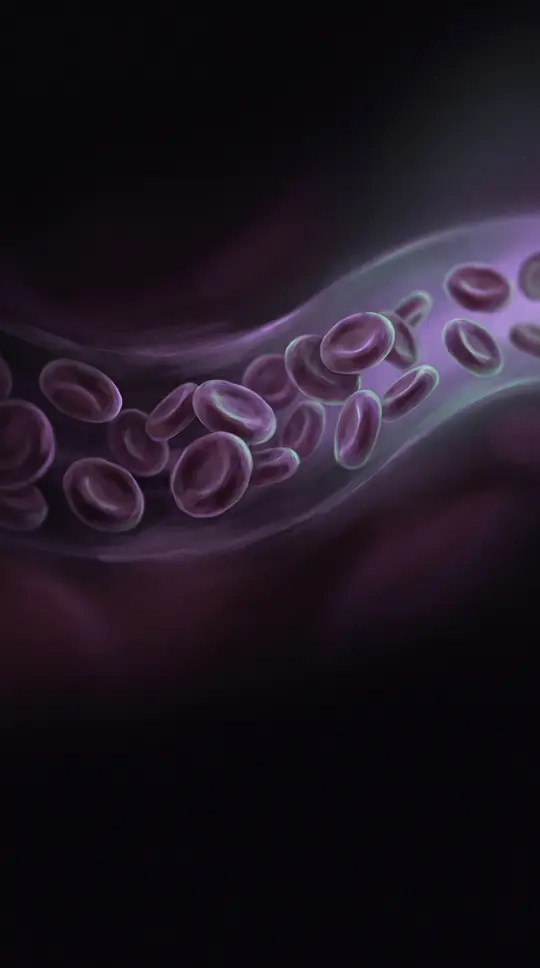
In short: Endocytosis is the vital process by which cells internalize extracellular material by budding off sections of their own membrane. From engulfing large particles to selectively importing specific proteins, this active transport mechanism is essential for cellular life, recycling membrane components and regulating the internal environment of every living cell.
Endocytosis is a fundamental cellular process where the plasma membrane invaginates to capture extracellular substances, forming vesicles that transport material into the cell. First proposed by De Duve in 1963, the mechanism encompasses diverse pathways, including phagocytosis—the "cell eating" process identified by Élie Metchnikoff in 1882—and pinocytosis, or "cell drinking." These pathways are essential for nutrient uptake, membrane recycling, and waste degradation.
The most well-understood route is clathrin-mediated endocytosis. This pathway relies on the protein clathrin to form coated pits on the plasma membrane, which bud into the cell as vesicles approximately 100 nm in diameter. These vesicles selectively concentrate cargo like LDL and transferrin using AP2 adaptors. In cultured cells, this rapid process can generate over a thousand vesicles every minute, with each pit lasting about one minute before pinching off.
Beyond clathrin, cells utilize caveolae—flask-shaped pits enriched in cholesterol and caveolin proteins—to facilitate uptake. While these structures are abundant in tissues like smooth muscle and fibroblasts, they are notably absent in others, such as the blood-brain barrier. Recent research suggests that traditional morphological classifications are evolving, with scientists now increasingly categorizing endocytic pathways based on their specific dependence on proteins like clathrin and dynamin.
Once internalized, vesicles enter a sophisticated trafficking network. They first fuse with early endosomes, which act as sorting stations where ligands dissociate from receptors in an acidic environment. Material destined for destruction is eventually routed to lysosomes, the cell's primary hydrolytic compartments. These acidic vacuoles, typically 1-2 μm in diameter, contain roughly 40 different enzymes that break down macromolecules, returning the resulting building blocks to the cytoplasm to sustain the cell.
Opens the Intellect+ feed with this card first. Swipe up for the next one.
Sources
- Summary by Intellect · source: Endocytosis
To cite this card, link to https://intellectplus.co.uk/app/science-endocytosis.
How we source, check and correct cards: Editorial standards.
General information, not professional advice. Spotted an error? Flag the card or see corrections and complaints.
Intellect Plus is a visual educational discovery platform for exploring fascinating facts and ideas. Brain Food, Not Brain Rot. What is Intellect Plus?
Related
More in Cell biology · More in Science · Latest · A–Z · All topics
