Did a mysterious, small-statured human species once inhabit the islands of the Philippines?
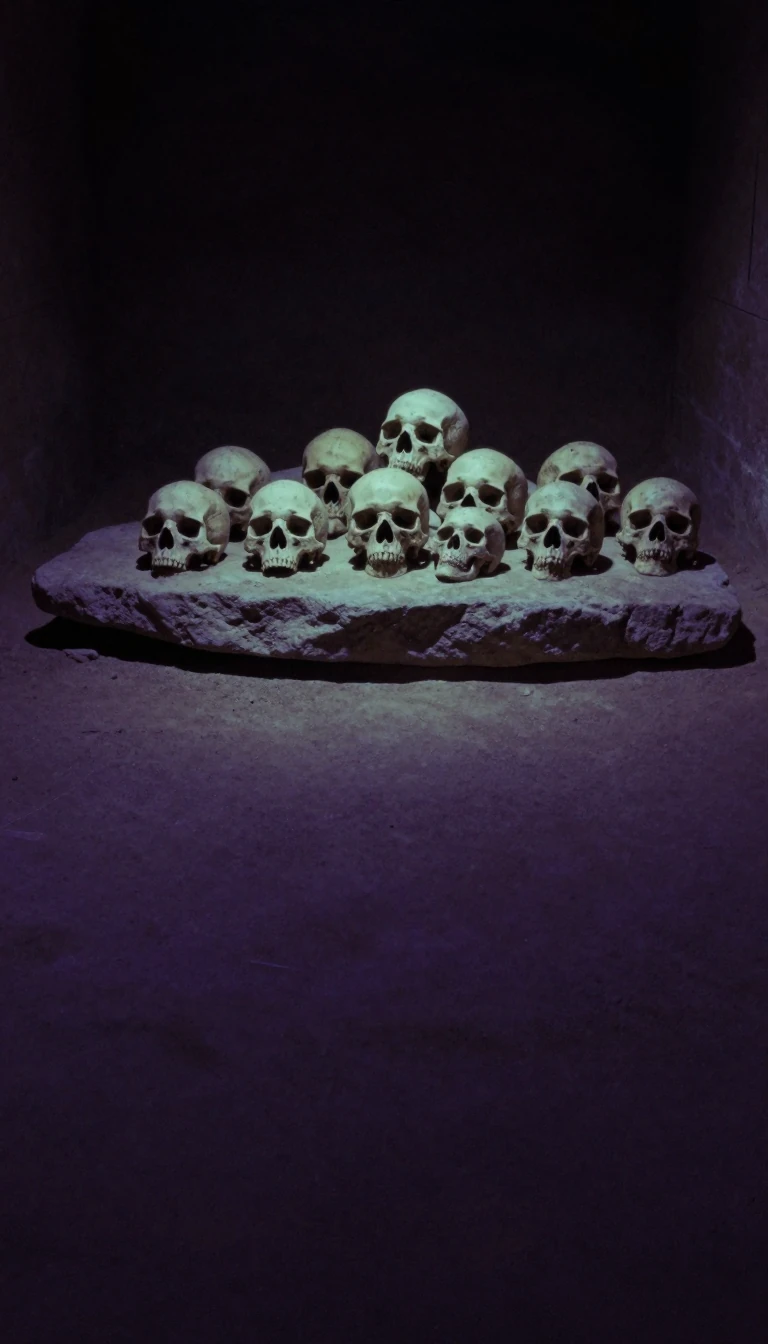
In short: Deep in the Callao Cave of Luzon, archaeologists discovered fossilized remains that defied easy classification. Initially mistaken for modern humans, these specimens revealed a puzzling mosaic of primitive and advanced traits, suggesting the existence of a previously unknown hominin species that lived on the island over 134,000 years ago.
The identification of Homo luzonensis in 2019 marked a significant shift in our understanding of human evolution in Southeast Asia. The remains, which include teeth, hand and foot bones, and a partial femur, were recovered from Callao Cave by a team led by Armand Mijares and Florent Détroit. While the fossils were initially dated to before 50,000 years ago, a 2023 study pushed their age back to approximately 134,000 years, with a margin of error of 14,000 years. These individuals lived alongside Philippine deer and other fauna, leaving behind evidence of butchery that confirms their presence in the region.
What makes Homo luzonensis so scientifically provocative is its anatomical ambiguity. The species displays a blend of features: some teeth and finger bones resemble those of Australopithecus and early Homo, while other characteristics align more closely with modern humans or Asian Homo erectus. The finger bones are notably curved and narrow, suggesting potential adaptations for climbing or suspensory behavior, yet the exact nature of their locomotion remains a subject of intense debate due to the fragmentary nature of the fossil record. Because DNA extraction has failed, their precise place in the human family tree remains elusive.
One prevailing theory is that these hominins reached Luzon through a significant sea crossing, as the island has remained isolated throughout the Quaternary period. Some researchers hypothesize that Homo luzonensis may have undergone insular dwarfism, a process also suggested for the Indonesian species Homo floresiensis. Alternatively, they might represent a distinct lineage that diverged from an early Homo ancestor. There is also the possibility of a connection to the Denisovans, given the high concentration of Denisovan DNA found in modern populations like the Ayta Magbukon. Whether they were a direct descendant of Homo erectus or a separate, earlier migration, their existence underscores the complexity of human dispersal across the ancient world.
Opens the Intellect+ feed with this card first. Swipe up for the next one.
Sources
- Summary by Intellect · source: Homo luzonensis
To cite this card, link to https://intellectplus.co.uk/app/science-homo-luzonensis.
How we source, check and correct cards: Editorial standards.
General information, not professional advice. Spotted an error? Flag the card or see corrections and complaints.
Intellect Plus is a visual educational discovery platform for exploring fascinating facts and ideas. Brain Food, Not Brain Rot. What is Intellect Plus?
Related
More in Archaeology · More in History · Latest · A–Z · All topics
