The London stage that first conquered the darkness with gas
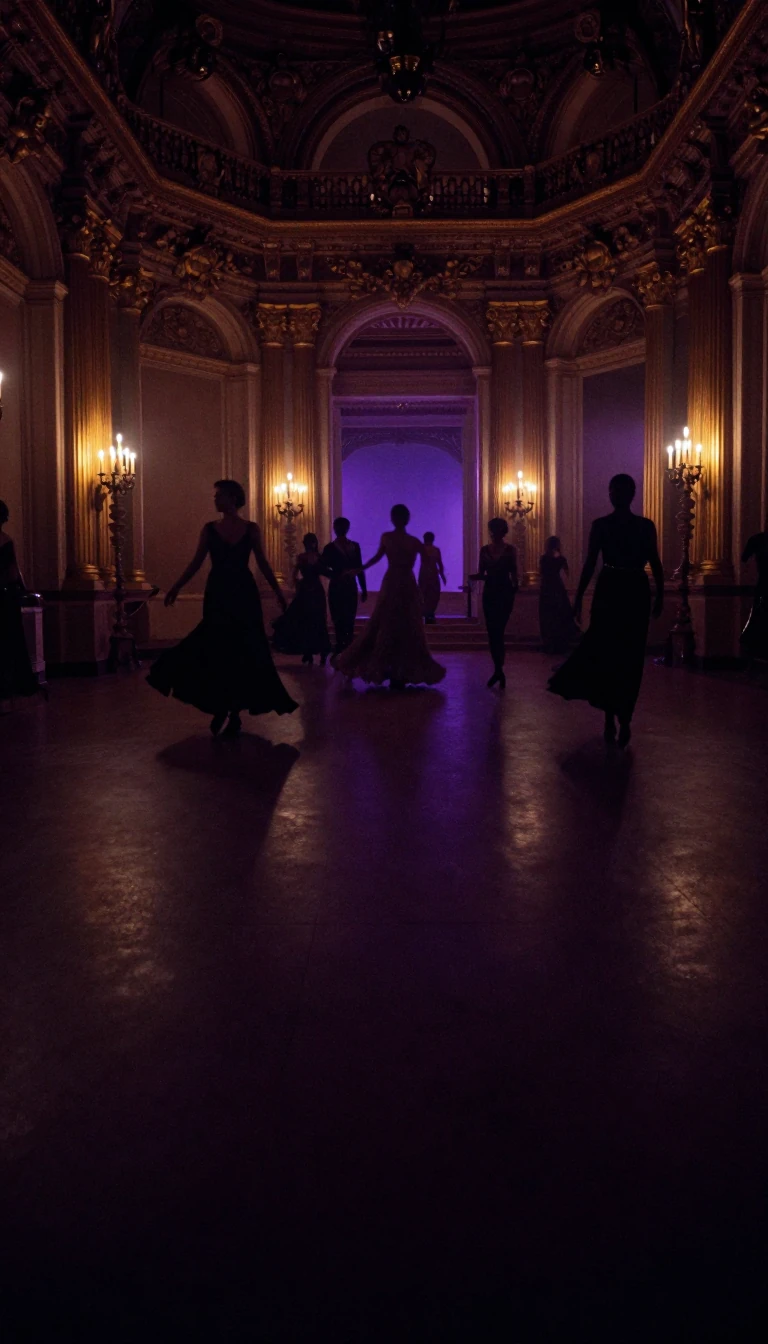
In short: Before the modern era of electric lights, the Lyceum Theatre revolutionized the theatrical experience by mastering a new element of physics: gas lighting. In 1817, it became the first theatre in Britain to illuminate its stage with gas, fundamentally altering how audiences perceived drama, atmosphere, and spectacle.
The Lyceum Theatre's history is a saga of architectural evolution and technological firsts. While its origins date back to 1765, the building we recognize today was largely shaped by the 1834 reconstruction by Samuel Beazley. This era marked a shift toward promoting English opera, notably hosting the first modern English opera, 'The Mountain Sylph,' in 1834. However, its most significant technical milestone occurred earlier, in 1817, when it became the first British theatre to utilize gas lighting on its stage.
This transition to gas was a pivotal moment in theatrical physics and aesthetics. It allowed for sophisticated control over visibility and mood, moving beyond the limitations of candles or oil lamps. This technological leap supported the era's growing appetite for 'spectacular stage effects,' a hallmark of the productions managed by figures like Madame Lucia Elizabeth Vestris and Charles James Mathews in the mid-19th century. These managers used the theatre's capabilities to produce 'fairy extravaganzas' that pushed the boundaries of what was visually possible on stage.
The theatre's cultural weight is equally profound. It served as the primary home for Henry Irving from 1871 to 1902, where his performances inspired Bram Stoker to create the character of Count Dracula. Despite various closures and a mid-century conversion into a ballroom—hosting iconic acts from the Sex Pistols to Bob Marley—the Lyceum was restored to its theatrical roots in 1996. Since 1999, it has hosted 'The Lion King,' a production that has grossed over £289 million and reached more than eight million people.
The building remains a unique architectural specimen, featuring a balcony that overhangs the dress circle. Its survival is a testament to preservation; it was saved from demolition in 1939 and eventually granted Grade II* listed status for its interior, preserving the rich Rococo ornamentation added during the 1904 rebuild by Bertie Crewe.
Opens the Intellect+ feed with this card first. Swipe up for the next one.
Sources
- Summary by Intellect · source: Lyceum Theatre, London
To cite this card, link to https://intellectplus.co.uk/app/science-lyceum-theatre-london.
How we source, check and correct cards: Editorial standards.
General information, not professional advice. Spotted an error? Flag the card or see corrections and complaints.
Intellect Plus is a visual educational discovery platform for exploring fascinating facts and ideas. Brain Food, Not Brain Rot. What is Intellect Plus?
Related
More in Physics · More in Science · Latest · A–Z · All topics
