Are viruses and viroids alive, or are they just complex, self-replicating chemical machines?
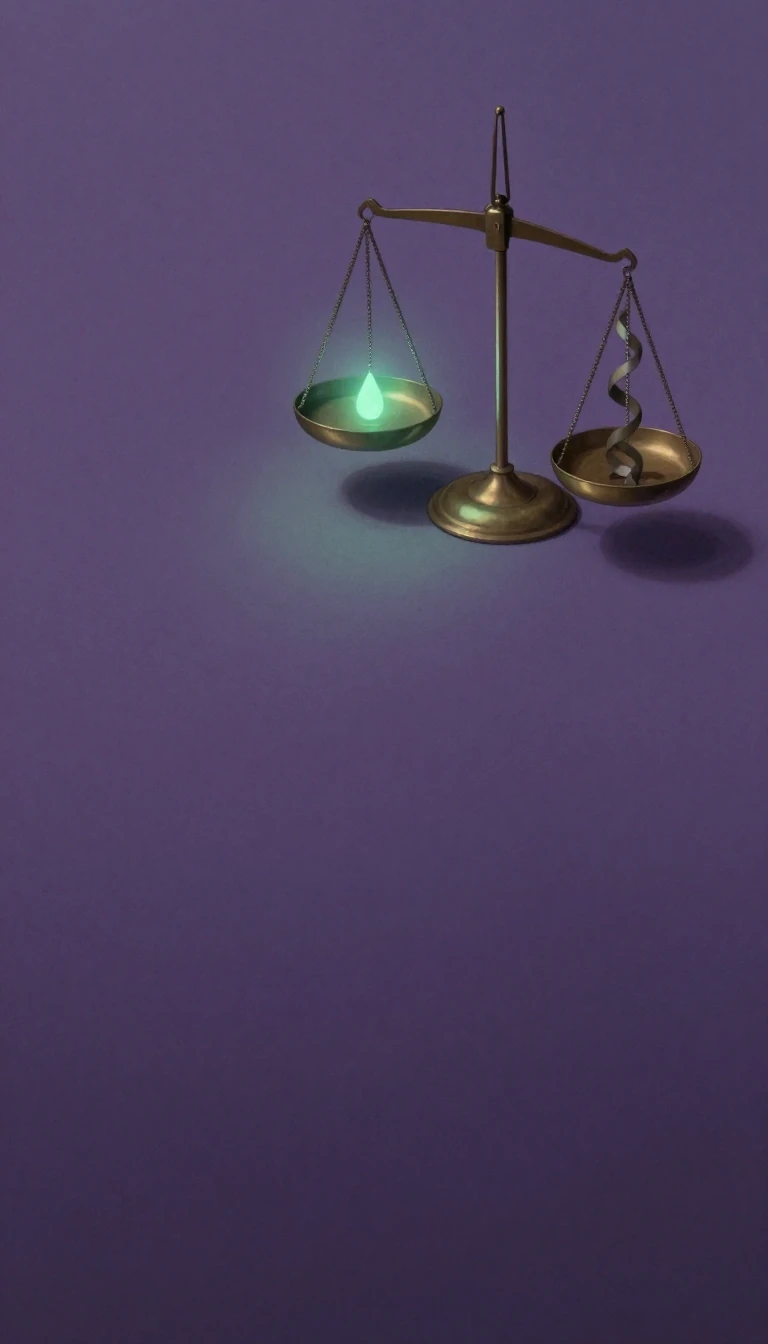
In short: For centuries, biology defined life by the cell. Today, that boundary is dissolving. From viruses that blur the line between chemistry and biology to mysterious RNA-based obelisks hiding in the human gut, we are discovering infectious agents that challenge our fundamental understanding of what it means to be alive.
The traditional definition of life once required a cellular structure, but modern science increasingly views this as an incomplete criterion. Viruses sit at the center of this debate. Initially labeled as toxins, they possess genetic material and a defined structure, yet they cannot metabolize, grow, or reproduce without a host. Since the 1950s, many researchers have classified them as existing in a gray area between chemistry and life, functioning as either tiny biological organisms or massive, complex biochemical molecules.
Even further from the conventional definition are viroids, which lack protein coats entirely. Composed of short, circular strands of single-stranded RNA, these agents infect flowering plants by hijacking host enzymes like RNA polymerase II to replicate. Some viroids even act as ribozymes, capable of self-cleavage. Because they lack protein-coding ability and exist as simple RNA, some scientists propose they are living relics of a hypothetical RNA world that predates DNA and proteins—a theory that gained renewed interest in the 2010s as a potential bridge to understanding abiogenesis.
The landscape of non-cellular entities expanded in 2024 with the discovery of obelisks. Found within the human microbiome and likely hosted by gut bacteria, these RNA-based elements differ from viroids by coding for two specific proteins called oblins and exhibiting a distinct rod-like secondary structure. Beyond these infectious agents, the concept of non-cellular life extends to theoretical entities like the first universal common ancestor (FUCA), the ancient precursor to all cellular life. These discoveries force a reevaluation of the biotic-abiotic divide, suggesting that life may be a spectrum rather than a binary state.
Opens the Intellect+ feed with this card first. Swipe up for the next one.
Sources
- Summary by Intellect · source: Non-cellular life
To cite this card, link to https://intellectplus.co.uk/app/science-non-cellular-life.
How we source, check and correct cards: Editorial standards.
General information, not professional advice. Spotted an error? Flag the card or see corrections and complaints.
Intellect Plus is a visual educational discovery platform for exploring fascinating facts and ideas. Brain Food, Not Brain Rot. What is Intellect Plus?
Related
More in Biology basics · More in Science · Latest · A–Z · All topics
