Is the Centaurus A/M83 Group one massive cosmic structure or two separate neighbors?
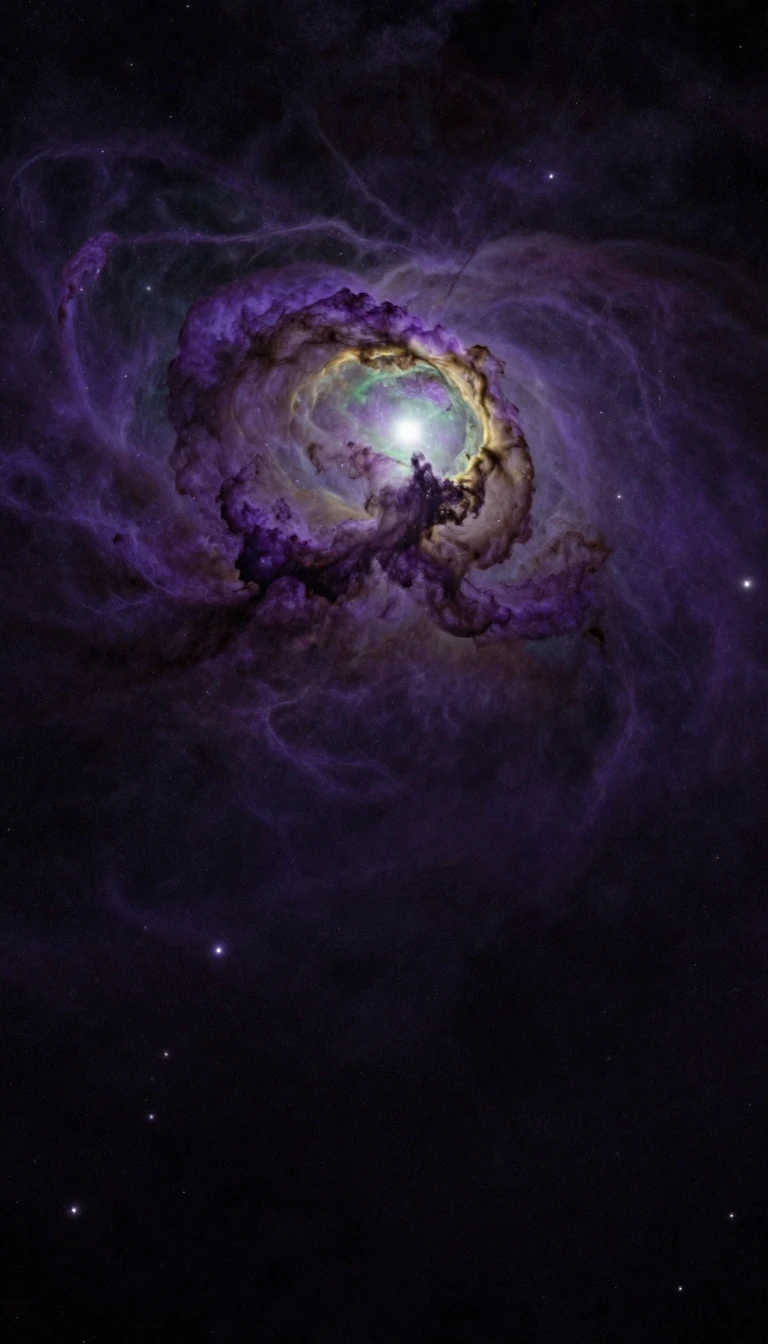
In short: Astronomers have long debated whether the Centaurus A and M83 galaxies belong to a single, unified group or two distinct systems. While they sit at different distances, their physical proximity and lack of relative motion suggest a complex, interconnected relationship within the vast Virgo Supercluster.
The Centaurus A/M83 Group is a sprawling collection of galaxies spanning the Hydra, Centaurus, and Virgo constellations. It is often split into two primary subgroups: the Centaurus A Subgroup (LGG 344), located about 11.9 million light-years away, and the M83 Subgroup (LGG 355), situated at approximately 14.9 million light-years. Despite this distance gap, the two subgroups appear to be gravitationally linked, as they show no significant motion relative to one another. This ambiguity has led to inconsistent classification in scientific literature, with some sources treating them as a single entity and others as two separate groups.
Identifying the true membership of this group has been a decades-long challenge. While the brightest members were identified early, the group's many dwarf galaxies remained hidden for years. Early surveys using the UK Schmidt Telescope and radio observations from the Parkes Radio Telescope began to reveal these faint objects, and subsequent projects like the HIPASS and HIDEEP surveys further expanded the count. More recently, a comprehensive 2015–2017 optical survey using the Dark Energy Camera covered 550 square degrees of the sky, effectively doubling the number of known dwarf galaxies in the region.
The study of these dwarf galaxies has provided crucial insights into the group's evolution. Researchers have found that the dwarf spheroidal galaxies here possess old, metal-poor stellar populations, mirroring those found in our own Local Group. These systems also adhere to a similar metallicity-luminosity relationship. Correcting historical errors has also been vital; for instance, the galaxy NGC 5011C was long misidentified as part of a distant cluster due to coordinate confusion and incorrect redshift data. It was not until 2007 that its membership in the Centaurus A group was confirmed, a correction supported by later redshift measurements that finally resolved the confusion persisting since 1983.
Opens the Intellect+ feed with this card first. Swipe up for the next one.
Sources
- Summary by Intellect · source: Centaurus A/M83 Group
To cite this card, link to https://intellectplus.co.uk/app/space-centaurus-a-m83-group.
How we source, check and correct cards: Editorial standards.
General information, not professional advice. Spotted an error? Flag the card or see corrections and complaints.
Intellect Plus is a visual educational discovery platform for exploring fascinating facts and ideas. Brain Food, Not Brain Rot. What is Intellect Plus?
Related
More in Astronomical objects · More in Space · Latest · A–Z · All topics
