Why the Sun wears a hidden red veil visible only during total eclipses
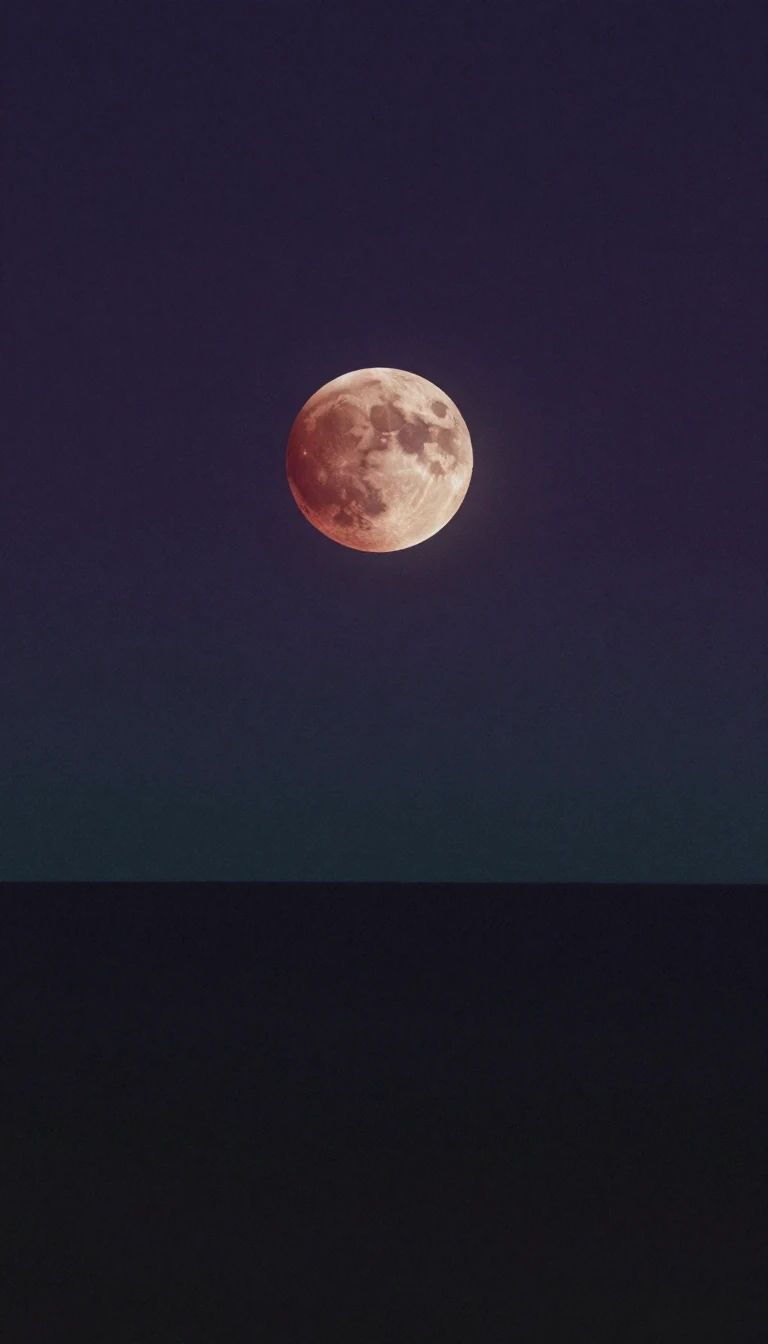
In short: The Sun is surrounded by a mysterious, thin layer called the chromosphere. Normally invisible because the photosphere is too bright, this layer reveals its vibrant red hue only when the Moon blocks the Sun. It is a dynamic zone of rising plasma jets, magnetic activity, and shifting temperatures.
The chromosphere, a term coined by English astronomer Norman Lockyer in 1868, sits between the Sun's photosphere and the outer corona. It is a relatively thin atmospheric shell, measuring between 3,000 and 5,000 kilometers in height. Its characteristic red color is produced by hydrogen atoms emitting light at a specific wavelength of 656.3 nanometers, a phenomenon occurring when electrons drop to a lower energy state. While the layer is normally obscured by the intense glare of the photosphere, it becomes briefly visible as a red crescent during total solar eclipses.
The physical properties of the chromosphere are highly variable. Its density drops exponentially as one moves outward, eventually becoming 100 million times less dense than the Earth's atmosphere at sea level. Temperature dynamics are equally complex; the layer starts at roughly 6,000 K near the photosphere, dips to a minimum of about 3,800 K, and then climbs sharply to over 35,000 K as it transitions into the corona. This region is not a static shell but a turbulent environment defined by magnetic activity, including bright regions known as plages and the magnetic network that traces areas of high field strength.
Dynamic features define the chromosphere's structure. Narrow jets of plasma called spicules rise from the lower, homogeneous boundary, reaching heights of up to 10,000 kilometers before sinking back down within about 10 minutes. Other features include cool plasma loops and periodic oscillations detected by instruments like SOHO. Beyond our own star, chromospheres are common across the universe, appearing on almost all luminous stars except white dwarfs. In some cases, such as the supergiant Antares, the chromosphere can be massive, extending to a thickness more than double the star's own radius.
Opens the Intellect+ feed with this card first. Swipe up for the next one.
Sources
- Summary by Intellect · source: Chromosphere
- Also: Chromosphere | Sunspot, Solar Flare & Corona | Britannica
To cite this card, link to https://intellectplus.co.uk/app/space-chromosphere.
How we source, check and correct cards: Editorial standards.
General information, not professional advice. Spotted an error? Flag the card or see corrections and complaints.
Intellect Plus is a visual educational discovery platform for exploring fascinating facts and ideas. Brain Food, Not Brain Rot. What is Intellect Plus?
Related
More in Astronomical objects · More in Space · Latest · A–Z · All topics
